
The starting battery is the generator’s most neglected component and its most common failure: the electric-start machine that cranks happily in October and clicks uselessly in the January outage. Here is how to choose, maintain, and replace generator batteries in 2026, and when lithium upgrades make sense.
🛒 Best Price Today on Amazon
Prime members get fast, free shipping on everything above, plus member-only deals. New members get a 30-day free trial — cancel anytime.
As an Amazon Associate we earn from qualifying purchases.



Recommended Products

EF ECOFLOW Portable Power Station 3600Wh DELTA Pro, 120V 3600W AC Output

EF ECOFLOW Extra Battery for Delta Pro Ultra & Delta Pro Ultra X

EF ECOFLOW Portable Power Station Delta 2, 1024Wh, 1800W, LiFePO4 Battery
As an Amazon Associate we earn from qualifying purchases. Product prices and availability are accurate as of the date/time indicated.
Why Generator Batteries Fail Differently
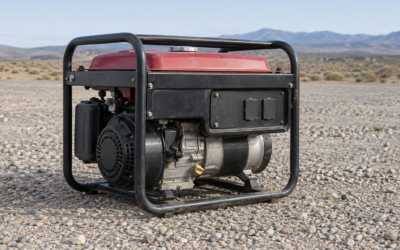
A generator battery lives the worst battery life: months of idleness punctuated by cold-weather demands, exactly inverted from the daily-drive duty automotive batteries are designed around. Idle lead-acid cells self-discharge a few percent monthly and sulfate as they sit, crystallizing capacity away, so the battery that tested fine in autumn delivers a click in February. Most portable electric-start units use small 12V powersport-class batteries, sealed AGM in current practice, while standby generators run larger automotive-format cells under a charge maintainer’s care. The failure pattern is so predictable that battery death tops every generator-service survey, which makes the fix, deliberate chemistry choice plus maintenance habit, the cheapest reliability upgrade in backup power.
Choosing the Replacement: Formats and Chemistry
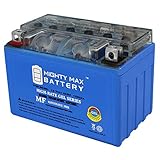
Replacement starts with the manual’s specification, physical format, terminal arrangement, and cold-cranking-amp minimum, with the CCA figure deserving headroom in cold climates since cranking demand rises as chemistry weakens below freezing. Sealed AGM is the sensible default in 2026: spill-proof in any orientation, faster-charging and slower-discharging than flooded cells, and tolerant of the vibration generator frames deliver. Flooded batteries persist as the budget pick where maintenance attention exists. Lithium iron phosphate starter batteries enter the conversation for premium duty, charging fast, holding for a year, and weighing a third of lead equivalents, with the caveats of price, cold-cranking derating below freezing on basic models, and charging-system compatibility worth verifying against the generator maker’s guidance.
The Maintenance Habit That Prevents the Click
Battery reliability is a maintenance product, and the regimen is modest. The gold standard is a quality smart maintainer, a float charger permanently connected wherever the generator parks, holding the cell at ideal voltage without overcharge; standby units have this built in, and portables deserve the aftermarket equivalent. Failing that, a monthly top-off charge plus the generator’s own exercise run keeps chemistry honest. Twice yearly, inspect terminals for corrosion and clean with a wire brush and protectant, verify connections are tight, and load-test or voltage-check the cell, with resting voltage below 12.4 flagging decline. Replace proactively at the four-to-five-year mark rather than reactively at the outage; the schedule costs less than the pizza ordered during the blackout the click caused.
Cold Weather, Storage, and the Backup Plan
Winter is the generator battery’s exam season, and preparation is straightforward. Cold halves effective cranking capacity, so enter the season with a fresh or fully maintained battery, store portable units somewhere above freezing where possible, and let a struggling start rest between attempts rather than grinding the cell flat. Long-term storage wants the battery either on its maintainer or disconnected to stop parasitic drain, with terminals greased against corrosion. Always preserve the manual backup: keep the recoil cord functional and occasionally exercised on dual-start models, since pull-starting is the design’s own contingency for exactly this failure. And the household backup plan should note that a lithium jump pack rated for small engines restarts most generator batteries in seconds, one more job for the glovebox rescue tool.
Related guides on our site: Best Patriot Solar Generators in 2026: Top Picks Reviewed · Best Solar Generators for RVs in 2026: Top Picks Reviewed · Best Portable White Noise Generators in 2026: Top Picks Reviewed · Best Honda Portable Generators in 2026: Top Picks Reviewed · Best 50-Amp Generator Cords in 2026: Top Picks Reviewed.
Frequently Asked Questions
Why does my generator battery keep dying?
Idle self-discharge and sulfation between uses, accelerated by cold storage. A permanently connected smart maintainer prevents the cycle and triples typical battery life.
Can I use a car battery in my generator?
Only if the manual’s format, terminals, and CCA specification match, true for some standby units. Most portables need powersport-class batteries sized to their tray.
How long do generator batteries last?
Three to five years with maintenance, less when stored cold and neglected. Replace proactively at year four rather than discovering failure during an outage.
Write Your Review
No reviews yet. Be the first to share your experience!