
- Top Pick: Oxseryn 4400-Watts Inverter Generator, Open Frame Generator Gas Powered, Emergency Home Backup, RV Ready 30A Outlet, EPA Compliment
- Best Value: Aceup Energy 1,200W Gas Powered Generator, Small Portable Generator for Home Use Ultralight, EPA & CARB Compliant
- Premium Choice: Oxseryn 2800-Watts Portable Inverter Generator, Gas Generators for Home Use, Camping, Super Quiet Emergency Home Backup, with Fuel Shut Off, 1.1Gal Fuel Tank, 39Lbs, EPA Compliant
Every year carbon monoxide from improperly used generators sends thousands of people to the emergency room, and the tragedies almost always share one cause: a fuel-burning generator run inside or too close to a home. The single most important rule in 2026 is blunt: never operate a gas, propane, or dual-fuel generator indoors, in a garage, or in any enclosed space, even with the door open.
- Watch: How to Safely Use a Generator Indoors (and When Not To) — Video Review
- Why Fuel-Burning Generators Are Deadly Indoors
- The Safe Distance Rule
- When Battery Power Stations Are the Right Indoor Choice
- Use a CO Detector Even With Outdoor Generators
- Tips
- Frequently Asked Questions
- Conclusion
- Related Articles
That said, “indoor power” is absolutely achievable with the right equipment. This guide explains why combustion generators are lethal inside, how far away they must sit, and which battery-based power stations like the ALLWEI 300W are actually designed to run safely in your living room. Read it before your next outage, not during one.
As an Amazon Associate we earn from qualifying purchases at no extra cost to you.


⚡ Save on Your Next PC — Amazon Prime
Prime members get fast free shipping on the systems above, plus early access to Prime Day & Black Friday PC deals. New members get a 30-day free trial.
Watch: How to Safely Use a Generator Indoors (and When Not To) — Video Review
Why Fuel-Burning Generators Are Deadly Indoors
Any generator that burns gasoline or propane produces carbon monoxide (CO), an odorless, colorless gas. A single portable unit can generate as much CO as hundreds of idling cars. Indoors, that gas builds to fatal levels within minutes, long before you feel symptoms. Opening a window or running it in an attached garage does not provide anywhere near enough ventilation to be safe.
The Safe Distance Rule
- Place any combustion generator at least 20 feet from the house.
- Point the exhaust away from all doors, windows, and vents.
- Never run one in a garage, carport, basement, crawlspace, or shed.
- Keep it dry and elevated, but always outdoors under an open canopy if it rains.
When Battery Power Stations Are the Right Indoor Choice
Lithium power stations, such as the ALLWEI 300W LiFePO4 unit, produce zero emissions because they store electricity rather than burning fuel. These are the only generators designed to run inside. They deliver clean pure sine wave power for a fridge, CPAP, laptop, or lights, and can be recharged from wall power or solar panels before the next outage.
Use a CO Detector Even With Outdoor Generators
Many modern gas generators, including several Oxseryn and AMERISUN models, now include a built-in CO sensor that shuts the engine off if levels climb. Treat that as a backup, not a license to run closer. Always keep working battery-powered CO alarms on every level of your home during any generator use.
Tips
- Store a battery power station charged and ready so you have indoor-safe power the moment an outage hits.
- Run heavy loads like a fridge on an outdoor gas unit via an outdoor-rated extension cord fed through a properly sealed opening.
- Test your CO detectors monthly and replace batteries twice a year.
- Never sleep in a room while any fuel-burning engine runs anywhere near the structure.
Frequently Asked Questions
Can I run a generator in my garage if the door is open?
No. An open garage door still traps enough carbon monoxide to be fatal. Combustion generators must be at least 20 feet from the home in open air.
Which generators can I safely use indoors?
Only battery or solar power stations, which produce no exhaust. Any generator that burns gasoline or propane must stay outdoors.
Are CO sensors on generators enough protection?
They add a valuable safety margin by shutting the engine down, but they do not make indoor use safe. Keep the generator outside and rely on separate home CO alarms.
How do I power indoor essentials during an outage safely?
Use a charged lithium power station indoors for electronics and small appliances, and connect larger loads to an outdoor gas generator through proper cabling.
Conclusion
The rule that saves lives is simple: combustion generators live outside, always, at least 20 feet from the house, and battery power stations are what you run indoors. Pair an outdoor gas or dual-fuel generator for heavy loads with an emission-free power station like the ALLWEI 300W for indoor essentials, and back both up with working CO detectors. Do that, and you get reliable power through any 2026 outage without gambling with your family’s safety.
Top picks from this guide
 OxserynOxseryn 4400-Watts Inverter Generator, Open Frame Generator Gas Powered, Emergency…$330 \xc2\xb7 99/100
 Aceup EnergyAceup Energy 1,200W Gas Powered Generator, Small Portable Generator for…$160 \xc2\xb7 99/100
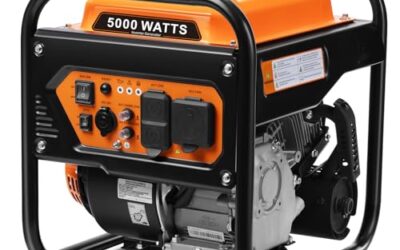
 OxserynOxseryn 5000W Inverter Generator Gas Powered, Portable Open Frame Generator$330 \xc2\xb7 99/100
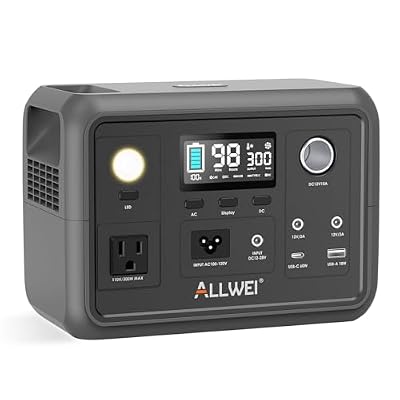 ALLWEIALLWEI Portable Power Station 300W, 256Wh Solar Generator LiFePO4 Battery$149 \xc2\xb7 95/100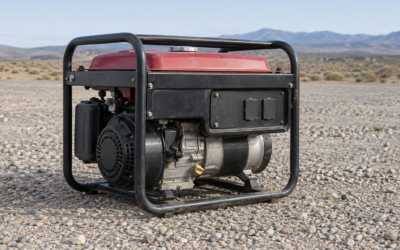


Write Your Review
No reviews yet. Be the first to share your experience!