
🛒 Best Price Today on Amazon
Prime members get fast, free shipping on everything above, plus member-only deals. New members get a 30-day free trial — cancel anytime.
- Start With the Job the Battery Must Do
- Types of Home Battery Systems
- Specifications That Matter
- Backup Scope: Whole Home or Essential Circuits
- Installation, Permits, and Safety
- Questions to Ask Installers
- Common Mistakes
- Budget Tiers Without the Numbers
- Quick Checklist
- Related guides
- Frequently Asked Questions
Homeowners looking at wall-mounted battery systems such as the Powerwall have a growing set of alternatives, from integrated solar-plus-storage packages to stackable lithium battery cabinets and portable power stations. The right option depends on what must stay powered, how much energy it needs to hold, how it connects to the electrical panel, and whether solar is part of the plan.
This guide explains the types of home batteries, the specifications that matter, and the questions to ask installers, without naming products. It also covers safety and permitting, because a home battery is a major electrical installation, not a plug-in appliance.
Start With the Job the Battery Must Do
Home batteries serve a few distinct purposes, and each pushes the choice in a different direction.
- Backup during outages: Keeps essential circuits running when the grid fails.
- Solar self-consumption: Stores daytime solar for use at night, reducing exported energy.
- Time-of-use savings: Charges when electricity is cheap and discharges when rates are high, if the utility offers such plans.
- Off-grid or remote use: Runs a cabin or remote building with solar or a generator.
An outage-focused household needs strong power output for starting heavy loads. A solar-focused household needs capacity and efficient charging. Defining the main purpose prevents overpaying for features that will never be used.
Types of Home Battery Systems
All-in-One Wall-Mounted Batteries
These units combine battery cells, an inverter, and controls in a single cabinet mounted on a wall or floor. They are the closest match to the best-known wall batteries, with simple installation and a unified app. They fit homeowners who want a clean, integrated system and are willing to buy into one maker’s ecosystem.
Modular and Stackable Battery Cabinets
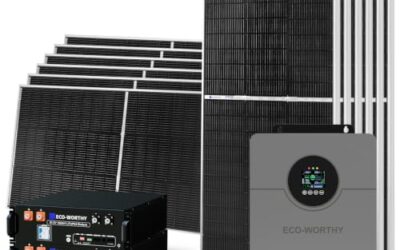
Stackable systems use battery modules that can be added over time, paired with a separate hybrid inverter. They allow capacity to grow with needs and budget, and often let homeowners mix components from different suppliers. They require careful matching between inverter and battery, so a qualified installer should confirm compatibility.
Server-Rack and DIY-Style Lithium Batteries
Rack-mounted lithium iron phosphate batteries appeal to technically minded owners who want flexibility and a lower cost per unit of storage. They demand correct wiring, safety devices, and certified components. Local codes and insurers may require listed equipment and licensed installation, so an uncertified build can create problems with permits and coverage.
Solar Inverter-Integrated Systems
Some solar inverter makers offer batteries that connect directly to their equipment. They work best when installed together with solar, since the system is designed as a whole and warranties align.
Portable Power Stations and Whole-Home Transfer Kits
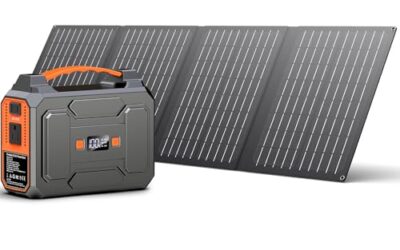
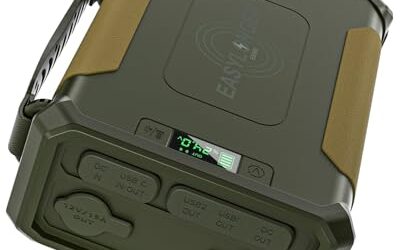
Large portable stations power critical loads such as the refrigerator, lights, and internet through a transfer switch or a dedicated inlet. They are far smaller than a wall battery, but offer flexibility and lower complexity. They suit short outages and partial backup rather than whole-home power.
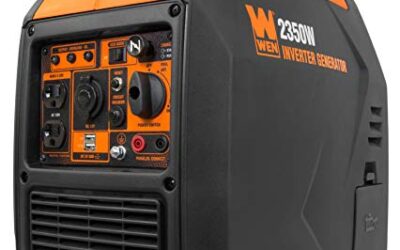
Generators as a Complement
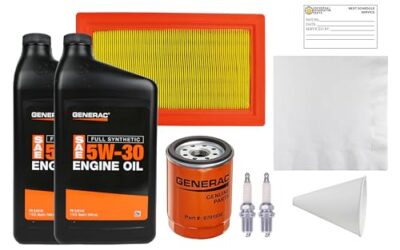
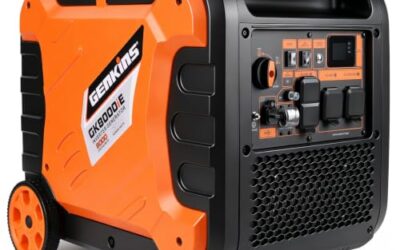
A standby generator can recharge a battery bank or take over during multi-day outages. Pairing a battery with a generator gives quiet, instant backup for short events and long-duration support when needed.
Specifications That Matter
Usable Capacity (kWh)
Capacity indicates how much energy the battery holds. Look at usable capacity, not just the nameplate number, because some systems reserve part of the capacity for battery health. To estimate needs, add up the wattage of essential appliances and the hours they must run. A refrigerator, lights, internet, and a few outlets use much less than a whole house with air conditioning and an electric range.
Continuous and Peak Power (kW)
Continuous power sets how many loads can run at once, and peak power covers short surges, such as the motor starting on a well pump or air conditioner. A battery with a high capacity but low output may still fail to start large appliances. Compare the output rating with the largest motor loads in the home.
Round-Trip Efficiency
This measures how much of the stored energy comes back out. Efficiency in the range of roughly 90 percent is common for modern lithium systems. Higher efficiency wastes less of the solar energy stored.
Battery Chemistry
Lithium iron phosphate is widely used in home batteries for its stability and long cycle life. Nickel-based chemistries offer higher energy density but different thermal behavior. Ask for the chemistry, cycle life rating, and depth of discharge.
Warranty and Cycle Life
Warranties usually state a number of years and a minimum remaining capacity, sometimes with limits on total energy throughput. Read the terms, including any conditions on operating temperature and installation by certified installers.
AC-Coupled vs. DC-Coupled
DC-coupled systems feed solar directly into the battery, and AC-coupled systems connect to the home’s AC wiring. DC coupling is often more efficient for new solar projects, while AC coupling is easier to retrofit to existing solar.
Operating Environment
Check the temperature range and enclosure rating. Garages, exterior walls, and unconditioned spaces expose batteries to heat and cold, which can reduce performance and lifespan.
Backup Scope: Whole Home or Essential Circuits
Many installations back up only a dedicated panel of essential loads rather than the whole house. That reduces the battery size needed and keeps loads such as electric heating or large air conditioners off the backup. Whole-home backup needs larger output and more capacity, and may need load management that shuts down large loads automatically during an outage.
Installation, Permits, and Safety
- Licensed installation: Home batteries connect to the main electrical system and should be installed by qualified electricians.
- Permits and inspections: Most jurisdictions require electrical permits, and some require fire department review for large systems.
- Location rules: Codes can limit where batteries may be placed, such as near bedrooms or exits, and require clearances.
- Safety certification: Look for listings from recognized safety testing labs.
- Utility interconnection: The utility may need to approve a system that connects to the grid.
- Insurance: Notify the homeowner insurer, and confirm coverage for the battery installation.
Questions to Ask Installers
- Which loads will the battery power during an outage, and for how long?
- What are the continuous and peak outputs, and can they start the well pump or air conditioner?
- Is the system compatible with existing solar equipment?
- What are the warranty terms and who services the equipment?
- What permits and utility approvals are included in the quote?
- How does the app report status, and does it allow manual control?
- What happens if the maker or installer goes out of business?
Common Mistakes
- Buying by capacity alone. Output power and startup surge are just as important.
- Ignoring incentives and rules. Local programs and tax rules can affect system choices, so confirm eligibility before purchasing.
- Underestimating outages. A battery sized for a short outage may not cover multi-day events.
- Mismatched components. Mixing unlisted batteries and inverters risks safety and permit problems.
- Skipping the maintenance plan. Software updates and monitoring matter for long-term performance.
- Placing the system in a hot spot. Heat shortens battery life.
Budget Tiers Without the Numbers
Portable stations and small modular batteries give the lowest entry cost and partial backup. Mid-range systems offer modular stacking, hybrid inverters, and essential-load backup. Premium systems deliver whole-home output, integrated solar management, strong warranties, and professional monitoring. Because installation, wiring, and permitting can make up a significant share of the project, compare complete installed quotes instead of the battery alone.
Quick Checklist
- Define the main purpose: backup, solar storage, or rate savings.
- Estimate the essential loads and the needed runtime.
- Compare usable capacity and continuous and peak output.
- Check chemistry, efficiency, and warranty details.
- Confirm safety listings, permits, and utility approval.
- Choose experienced, licensed installers and get written quotes.
Related guides
- Cordless Snow Blowers For Small Driveways
- Solar Generators For Home Medical Devices
- Portable Power Stations For Sump Pump
Frequently Asked Questions
What can replace a wall-mounted home battery?
Options include integrated solar-plus-storage systems, stackable lithium cabinets paired with a hybrid inverter, and large portable power stations connected through a transfer switch. The best fit depends on backup scope, budget, and whether solar is installed.
How much battery capacity does a house need?
It depends on which loads must run and for how long. A battery for a refrigerator, lights, and internet is much smaller than one meant to run heating, cooling, and cooking for a full day.
Can a home battery run without solar panels?
Yes. It can charge from the grid and supply backup power, or support rate-shifting where utility pricing allows, though solar adds more value by recharging the battery for free during the day.
Is it safe to install a home battery in a garage?
Many installations are placed in garages, provided the temperature range, clearances, and local code requirements are met. A licensed installer and a permitted installation help ensure the location is safe.

Write Your Review
No reviews yet. Be the first to share your experience!