
🛒 Best Price Today on Amazon
Prime members get fast, free shipping on everything above, plus member-only deals. New members get a 30-day free trial — cancel anytime.
- Quick Answer
- 1. LUXPaper A7 Envelopes 5×7 Card Envelopes 50 Pack
- 2. RELANOR Small Spray Bottle 2 oz 2 Pack
- 3. Renogy 20A ANL Fuse Holder and ANL Fuse
- 4. Frienda DC Golf Cart Battery Meter W/ Alarm, Green
- 5. Frienda 3 Inch Round Terminal Battery Cable Lug Assortment
- How to Choose
- Who Should Skip
- FAQ
- Final Verdict
- Top Pick: LUXPaper A7 Envelopes 5×7 Card Envelopes 50 Pack
- Runner-up: RELANOR Small Spray Bottle 2 oz 2 Pack
- Also consider: Renogy 20A ANL Fuse Holder and ANL Fuse
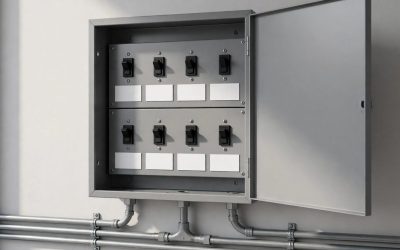
A transfer panel only helps during an outage if the person standing in front of it can tell, at a glance, which circuit feeds the refrigerator and which one feeds the furnace. Over a few years, the original door labels fade, a circuit gets repurposed without a note, and the penciled directory inside the door stops matching the house. A label refresh is the quiet maintenance job that fixes that: clean the panel face, rewrite the circuit directory, and while the cover is open, inspect the supporting DC gear that sits next to the panel in most backup setups.
This guide gathers five pieces for that routine: sturdy A7 cards that become the new circuit directory inside the panel door, a small spray bottle for cleaning the panel face before the new labels go on, an ANL fuse holder for the battery bank’s main DC run, a DC battery meter with an alarm for the bank, and an assortment of round terminal cable lugs for any worn cable end the inspection turns up. None of it replaces an electrician, and none of it changes how the panel is wired. It simply makes the existing setup legible and sound again. Follow the manufacturer instructions for your transfer switch, generator, and batteries throughout, and follow local code for any electrical work; work inside a panel belongs to a qualified electrician unless your panel manual and local rules clearly say otherwise.
As an Amazon Associate, we earn from qualifying purchases.
Quick Answer
A transfer panel label refresh pairs new A7 directory cards for the panel door with a small spray bottle to clean the panel face first, then backs the labeling job with the electrical checks that happen while the cover is open: a sound ANL fuse point, a DC battery meter reading, and fresh cable lugs for worn ends.
1. LUXPaper A7 Envelopes 5×7 Card Envelopes 50 Pack

The heart of a label refresh is the circuit directory itself, and a plain 5×7 card is the most durable way to keep one. A7 cards are large enough to list each transfer circuit in handwriting that stays readable in poor light, stiff enough to sit flat inside the panel door, and cheap enough in a 50 pack that a spoiled draft costs nothing. Write the directory in pencil first, confirm each circuit by switching loads one at a time with the generator running its normal test, then ink the final version. The envelopes in the pack earn their keep as storage: keep the previous directory card, a blank spare, and a dated note about what changed in one envelope taped inside the generator shed cabinet, so the next refresh starts from a record instead of a guess.
Specs
- Card size: A7, 5×7 inches, per the product name
- Pack count: 50 envelopes, per the product name
- Intended role in this kit: circuit directory and label cards for the panel door
- Card stock weight and envelope closure style: confirm on the listing
- Color options: confirm on the listing
2. RELANOR Small Spray Bottle 2 oz 2 Pack

New labels do not stick, and new ink does not read well, on a panel face filmed with shed dust and cooking grease carried in from the garage. This two pack of 2 oz spray bottles handles the cleaning step in a controlled way: a light mist of your chosen panel-safe cleaner onto a cloth, never sprayed directly at breakers, switches, or openings, then a wipe-down of the door, the directory frame, and the surrounding wall area where hands land during an outage. The small capacity is a feature here. It discourages storing mixed cleaner for months, and the second bottle can hold plain water for a rinse wipe. Label each bottle the day it is filled, and keep both away from any fuel handling area. Work only on the outside surfaces of a closed panel; cleaning inside an energized enclosure is not part of a label refresh.
Specs
- Capacity: 2 oz per bottle, per the product name
- Pack count: 2 bottles
- Intended role: controlled misting for wiping the panel face and door before labeling
- Spray pattern and bottle material: confirm on the listing
- Chemical compatibility: confirm on the listing, and never use for fuel
3. Renogy 20A ANL Fuse Holder and ANL Fuse

A label refresh opens the area around the panel, which makes it the natural moment to look at the battery bank’s main DC run nearby. This ANL fuse holder with a 20A fuse gives that run a defined protection point that can be named on the new directory: when the door card says where the bank fuse lives and what rating it carries, the next person troubleshooting a dead bank at midnight skips the flashlight archaeology. Inspect the existing holder for heat discoloration, cracked housing, or a loose mount, and replace a tired one during the refresh rather than during an outage. Match the fuse rating to your bank, cabling, and equipment manuals rather than copying a figure from another setup, and disconnect the bank before touching any wiring.
Specs
- Fuse style: ANL, with holder included
- Fuse rating: 20A, per the product name
- Intended role: defined, label-ready protection point on the battery bank’s main DC run
- System voltage and wire gauge range: confirm on the listing
- Mounting hardware included: confirm on the listing
4. Frienda DC Golf Cart Battery Meter W/ Alarm, Green

Sold as a golf cart battery meter, this unit works in a backup power corner as a DC battery-bank monitor, and a label refresh is when its reading deserves a permanent place in the paperwork. Note the bank’s resting reading on the new directory card, along with the date, so the next check has a baseline to compare against instead of a vague memory that the bank seemed fine. The alarm function adds a backstop between checks, drawing attention to a bank that has drifted low, and the green display reads easily in a dim shed. Mounted where it can be seen without opening anything, the meter turns every pass by the panel into a quick status glance that reinforces what the labels say.
Specs
- Function: DC battery meter with alarm, per the product name
- Display color: green
- Intended role in this kit: battery-bank charge monitoring with a reading logged on the panel directory
- Supported voltage range and alarm thresholds: confirm on the listing
- Wiring and mounting requirements: confirm on the listing
5. Frienda 3 Inch Round Terminal Battery Cable Lug Assortment

While the panel area is open and the flashlight is out, cable ends on the nearby battery bank deserve the same honest look as the labels. Vibration, humidity, and time leave lugs cracked, green with corrosion, or loose on the post, and a faded label next to a failing termination is only half a refresh. An assortment of 3 inch round terminal lugs lets the routine replace a suspect end on the spot: cut back to clean copper if the cable allows, crimp or solder the new lug the way the lug maker directs, and update the directory card if the cable’s role changed in the process. Confirm the assortment covers the gauges and stud sizes in your bank before the refresh day arrives.
Specs
- Lug style: round terminal, 3 inch length per the product name
- Package type: assortment, multiple pieces
- Intended role: replacement battery cable terminations found during the panel-area inspection
- Gauges and stud sizes included: confirm on the listing
- Material and plating: confirm on the listing
How to Choose
Start with the labeling materials, because they define the job. The directory card has to fit your panel door, hold handwriting that stays legible in flashlight light, and survive shed humidity; a 5×7 card suits most residential transfer panels, but measure the door’s directory frame before committing. Pair the cards with a small spray bottle so the cleaning step stays controlled: mist the cloth, not the panel, and keep liquids away from openings and switching gear. If your panel face is already clean and your directory is a printed plastic sleeve, you may only need the cards.
Then work outward to the electrical checks the open cover invites. A fuse point comes first: if the bank’s main run has no holder, or the existing one shows heat damage, the ANL holder is the priority piece, sized from your manuals rather than from habit. Monitoring comes next, because a meter reading written on the new directory card is what turns a label refresh into a baseline record. Terminations come last: buy the lug assortment before the refresh day, not after it, so a bad cable end found at noon is fixed by twelve thirty. Throughout, follow the manufacturer instructions for the panel, generator, and batteries, follow local code for wiring work, and leave anything inside the panel that your manual does not describe to a qualified electrician.
Who Should Skip
Skip this refresh if your transfer panel already carries a current, legible directory that matches the house circuit for circuit, and the surrounding bank gear was inspected recently; in that case, keep a few blank cards on hand and spend the effort elsewhere. Skip the electrical pieces if your setup has no battery bank or DC accessories, since the fuse holder, meter, and lugs all serve that side of the system. Skip the spray bottle step entirely if your panel maker advises against any cleaner on the enclosure finish, and use a dry cloth instead. And skip the whole routine as a substitute for the panel maker’s own maintenance schedule: a label refresh makes an existing, correctly installed panel easier to use, and it does not certify, repair, or rewire anything.
FAQ
How often should a transfer panel directory be refreshed?
A sensible trigger is any change: a circuit repurposed, a room rewired, a new appliance moved onto a backed-up circuit, or a new household member learning the outage routine. Absent changes, reviewing the directory once a year, during the same visit as the generator exercise run, keeps the card honest without much effort.
What should the new directory card actually list?
List each transfer circuit by number, the room or load it feeds in plain household language, and anything a second person would need at midnight: where the battery bank fuse lives and its rating, the bank meter’s normal resting reading, and the date of the last check. Plain language beats breaker-panel shorthand when someone unfamiliar is reading by flashlight.
Can labels be refreshed without opening the panel or touching wiring?
Yes, and for most homeowners that is the right scope. Cleaning the outside of a closed panel, replacing the door directory card, and logging a meter reading require no wiring work at all. Replacing a fuse holder or a cable lug does involve the battery bank’s DC wiring, so disconnect the bank first, follow the maker instructions and local code, and hand anything beyond the manuals to a qualified electrician.
Why keep the old directory card instead of throwing it away?
The old card is a change log. Keeping it in an envelope with the date it was replaced shows which circuits moved and when, which matters when a load behaves differently than expected and someone needs to know what the panel fed last season. It costs one envelope and settles arguments that memory would lose.
Final Verdict
A transfer panel label refresh is small work with an outsized payoff the next time the power drops. The LUXPaper A7 cards become a directory a second person can actually use, the RELANOR bottles keep the cleaning step controlled and the panel face readable, the Renogy ANL holder gives the battery bank a defined protection point worth naming on that directory, the Frienda meter supplies the baseline reading the card records, and the Frienda lug assortment turns any worn cable end the inspection finds into a same-day fix. Do it with the manuals open, keep the wiring within what those manuals describe, and the panel goes back to being what it should be: self-explanatory in the dark.





Write Your Review
No reviews yet. Be the first to share your experience!