
Our Short List of 3

- Best for: Trucks that need extra gasoline range without surrendering the bed floor to a wide tank.
- Brand: RDS MFG INC
- Model: 71083
- Capacity: 45 gallons
- Dimensions: 57″ L x 9.5″ W x 20″ H

- Best for: Work trucks that would carry a crossover toolbox anyway and want 60 gallons of gasoline capacity in the same footprint.
- Brand: RDS MFG INC
- Model: 72548
- Capacity: 60 gallons
- Type: Fuel transfer tank, auxiliary tank and toolbox combo

- Best for: Lighter-duty trucks that want a useful range increase without the weight and footprint of a 60 gallon class tank.
- Brand: RDS MFG INC
- Model: 71804
- Capacity: 37 gallons
- Type: Auxiliary fuel tank
All 4 Picks at a Glance
| Product | Specs | Action |
|---|---|---|
| RDS MFG INC 71083 Rectangular Auxiliary/Transfer Fuel Tank, 45 Gallon |
| Check price on Amazon |
| RDS MFG INC 72548 Fuel Transfer Tank/Auxiliary Tank/Toolbox Combo, 60 Gallon |
| Check price on Amazon |
| RDS MFG INC 71804 Auxiliary Fuel Tank, 37 Gallon |
| Check price on Amazon |
 RDS MFG INC Rectangular Auxiliary Fuel Tank, 69 Gallon |
| Check price on Amazon |
🛒 Best Price Today on Amazon
Prime members get fast, free shipping on everything above, plus member-only deals. New members get a 30-day free trial — cancel anytime.
The decision that defines this purchase is one most tank listings bury: how gasoline is allowed to leave the tank. Diesel auxiliary tanks commonly gravity feed into the truck’s main tank, but the gasoline listings below describe a different route, with fuel siphoned from the top of the tank by an electric pump. A buyer who assumes a gasoline tank will gravity feed like a diesel one is shopping for a setup the listing never promised. Capacity, footprint and toolbox questions all come after that fuel-handling answer.
This guide is for truck owners who want extra gasoline capacity for long towing days, remote work or fuelling equipment, and who want the gasoline permission stated on the listing rather than implied. Every tank here is an RDS model whose Amazon listing or listing summary states that gasoline auxiliary fueling is allowed when fuel is siphoned from the top using an electric pump. Diesel-only tanks were left out on purpose, even where the same brand sells a near-identical box.
Quick Picks
As an Amazon Associate we earn from qualifying purchases.
| Product | Best for | Key spec from title |
|---|---|---|
| RDS MFG INC 71083 Rectangular Auxiliary/Transfer Tank | Slim beds that cannot spare floor depth | 45 gallon vertical tank, 57″ x 9.5″ x 20″ |
| RDS MFG INC 72548 Fuel Transfer/Auxiliary Tank and Toolbox Combo | Buyers who want fuel and tool storage in one unit | 60 gallon tank and toolbox combo |
| RDS MFG INC 71804 Auxiliary Fuel Tank | Smaller capacity needs and lighter-duty trucks | 37 gallon auxiliary tank |
| RDS MFG INC Rectangular Auxiliary Fuel Tank, 69 Gallon | Maximum range for long-distance towing | 69 gallon rectangular tank |
How to Choose
Confirm the gasoline method on the listing itself
Do not buy any auxiliary tank for gasoline on a brand’s reputation. Read the exact listing until you find the gasoline condition stated, which on these RDS listings is that gasoline auxiliary fueling is allowed when the fuel is siphoned from the top of the tank using an electric fuel pump. That sentence changes what else you must buy: an electric pump, suitable hose and fittings, none of which should be assumed to be in the box. If a listing describes diesel gravity feeding only, it belongs in a different guide, whatever the tank looks like.
Separate auxiliary use from transfer use in your mind
An auxiliary tank extends the vehicle it rides in, while a transfer tank refuels other equipment. The RDS range blurs the two, with several models sold as auxiliary and transfer tanks in the same title. For gasoline, the distinction matters because the approved method described on these listings is top siphoning with an electric pump, which suits both drawing fuel for the truck’s use and dispensing it, but is not the same plumbing as a diesel gravity feed kit. Decide which job you are actually equipping, then check the listing’s included parts for suction tube, gauge and fittings.
Size the tank to the bed you can spare
Capacity is a space purchase as much as a range purchase. The 71083 below is a vertical design only nine and a half inches deep, so it hugs the front of the bed and leaves the floor open, while the 69 gallon rectangular tank trades a much larger footprint for its range. Measure the space ahead of your wheel wells and under any tonneau cover or toolbox, then compare with the tank dimensions on the listing. Remember that a full tank is heavy, so check your truck’s payload rating with fuel, tank, pump and cargo all counted together.
Plan the pump, venting and gauge before the tank arrives
These tanks are the starting point of a system, not the whole system. The listings describe features such as a manual sight gauge, baffles to reduce sloshing, a rollover safety valve vent and a drain plug across the RDS range, but the electric pump that gasoline siphoning requires is a separate choice with its own flow rate and duty cycle. Decide where the pump will mount, how it will be powered and how you will read fuel level from the cab or the bedside. Ordering the tank first and improvising the rest is how projects stall half-installed.
The 4 Best Options
RDS MFG INC 71083 Rectangular Auxiliary/Transfer Fuel Tank, 45 Gallon
- Best for: Trucks that need extra gasoline range without surrendering the bed floor to a wide tank.
- Brand: RDS MFG INC
- Model: 71083
- Capacity: 45 gallons
- Dimensions: 57″ L x 9.5″ W x 20″ H
Trucks that need extra gasoline range without surrendering the bed floor to a wide tank.
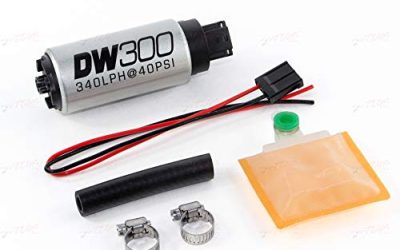
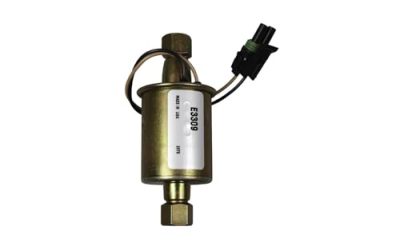
The pump is part of your plan, not the tank’s box contents, so confirm what the listing includes before pricing the whole setup.
The 71083 is the space miser’s tank. Its vertical footprint, listed at 57 inches long, 9.5 inches wide and 20 inches high, sits against the front of the bed and gives up very little floor, which is why it suits working trucks that still need to carry sheet goods and equipment. The listing describes fully welded seams and states the gasoline condition plainly: gasoline auxiliary fueling is allowed when siphoned from the top using an electric fuel pump. For a mid-size or short-bed truck that cannot host a wide rectangular tank, this is the most bed-friendly way into extra gasoline range.
RDS MFG INC 72548 Fuel Transfer Tank/Auxiliary Tank/Toolbox Combo, 60 Gallon
- Best for: Work trucks that would carry a crossover toolbox anyway and want 60 gallons of gasoline capacity in the same footprint.
- Brand: RDS MFG INC
- Model: 72548
- Capacity: 60 gallons
- Type: Fuel transfer tank, auxiliary tank and toolbox combo
Work trucks that would carry a crossover toolbox anyway and want 60 gallons of gasoline capacity in the same footprint.
Verify the exact toolbox dimensions and lid clearance against your bed rails and any tonneau cover before ordering.
The 72548 answers a different question: what if the front of the bed could hold tools as well as fuel? This 60 gallon unit combines the tank with a toolbox in a single installation, which suits contractors and farmers who currently lose bed space to a separate box anyway. It is described as an auxiliary and transfer tank combo, made in the United States, and it sits in the same RDS family whose listings state the gasoline top-siphon condition. Choose it when the toolbox is genuinely part of your plan, because the combo only makes sense if both halves earn their space.
RDS MFG INC 71804 Auxiliary Fuel Tank, 37 Gallon
- Best for: Lighter-duty trucks that want a useful range increase without the weight and footprint of a 60 gallon class tank.
- Brand: RDS MFG INC
- Model: 71804
- Capacity: 37 gallons
- Type: Auxiliary fuel tank
Lighter-duty trucks that want a useful range increase without the weight and footprint of a 60 gallon class tank.
Smaller capacity disappears quickly when towing, so estimate your towing consumption honestly before deciding this is enough.
Not every truck needs the biggest tank that fits. The 71804 is the smaller entry in this group at 37 gallons, aimed at lighter-duty use where the goal is a meaningful range cushion rather than maximum distance between fuel stops. The listing summaries describe it as part of the same RDS auxiliary range that supports gasoline auxiliary fueling through top-siphoned access with an electric pump. For a half-ton that tows a boat or a camper on regional trips, 37 extra gallons is often the point where fuel stops stop dictating the route, without the payload commitment of the larger tanks.
RDS MFG INC Rectangular Auxiliary Fuel Tank, 69 Gallon
- Best for: Long-distance towing rigs that plan routes around range and have the payload headroom for a large full tank.
- Brand: RDS MFG INC
- Capacity: 69 gallons
- Shape: Rectangular
- Type: Auxiliary fuel tank
Long-distance towing rigs that plan routes around range and have the payload headroom for a large full tank.
Add the weight of a full tank to your payload maths, and measure the bed footprint twice, because returning a tank this size is nobody’s idea of fun.
The 69 gallon rectangular tank is the range maximiser of the group. It is positioned by its listing for extended range and higher fuel requirements, with the same gasoline auxiliary fueling arrangement, drawn from the top with an electric transfer pump. This is the tank for the driver who tows long distances through stretches where fuel stops are scarce or awkward with a trailer attached. The trade is written in its dimensions: a tank this size claims serious bed space and, filled, serious payload, so it belongs in a truck with capacity to spare on both counts.
Which One Fits Your Situation
Your bed is short and always full of gear
Take the 71083. A vertical tank nine and a half inches deep is the only shape here that adds real gasoline capacity while leaving the bed usable for the loads the truck exists to carry. Its 45 gallons will not match the big rectangular tank for range, but a tank that fits your working life beats a larger one that forces you to choose between fuel and cargo on every trip.
You want one installation to solve fuel and tools
The 72548 combo is built for you. Combining a 60 gallon tank and a toolbox in one unit tidies the front of the bed into a single planned installation instead of two competing ones. It suits trucks that live on sites and farms, where the toolbox is opened daily and the extra gasoline feeds both the truck’s schedule and the equipment around it.
You tow regionally and just hate fuel stops
The 71804’s 37 gallons is the measured choice. It meaningfully stretches the distance between stops on a boat or camper run without asking a half-ton to carry a maximum-size tank everywhere it goes, including the daily driving when the trailer is unhitched. If your trips are measured in a few hundred miles rather than cross-country legs, this is the proportionate answer.
You cross long, empty stretches with a trailer
Choose the 69 gallon rectangular tank and plan the rest of the system around it. Range is the entire point of your build, and this is the largest gasoline-permitted capacity in the group. Pair it with an electric pump setup you trust, confirm the payload arithmetic with the tank full, and the fuel gauge stops being the thing that plans your route.
Common Mistakes
- Assuming a gasoline auxiliary tank gravity feeds like a diesel one, when the listings specify top siphoning with an electric pump.
- Buying a tank whose listing only describes diesel use and hoping gasoline is fine.
- Forgetting the pump, hose and fittings are separate purchases on tank-only listings.
- Counting tank weight but not the weight of the fuel itself against payload.
- Choosing capacity by gallons alone without measuring the bed space the tank will occupy.
Frequently Asked Questions
Can gasoline be gravity fed from an auxiliary tank like diesel?
The listings in this guide do not describe it that way. For these RDS tanks, the stated gasoline method is siphoning from the top of the tank using an electric fuel pump, while gravity feeding is the language the maker uses for diesel. Treat the gasoline route as pump-fed, buy the pump the setup requires, and do not plumb a gasoline tank on diesel assumptions.
Are these tanks only for fuelling the truck they sit in?
No. The models here are sold as auxiliary and, in some cases, transfer tanks, so the same top-siphon arrangement can dispense gasoline into equipment as well as extend the truck’s own supply. What matters is that the gasoline use follows the method the listing states. If your main job is refuelling mowers, boats or site equipment, the combo and the 45 gallon vertical tank are the most bed-friendly starting points.
What else do I need besides the tank?
At minimum, an electric fuel pump suited to gasoline, compatible hose and fittings, a way to power the pump, and a mounting plan for the tank itself. The listings describe tank features such as a sight gauge, baffles and a vent, but the pump is the piece buyers most often forget to budget for. Read the includes list on the exact listing before ordering so nothing essential is assumed.
How do I know a tank is genuinely approved for gasoline?
Look for the gasoline condition written on that specific listing, not on a sibling model. In this group, the listings state that gasoline auxiliary fueling is allowed when fuel is siphoned from the top using an electric fuel pump. If a listing for a similar-looking tank describes diesel only, believe it, and choose a model whose page names gasoline and its method instead.




Write Your Review
No reviews yet. Be the first to share your experience!