
Our Short List of 3

- Best for: A maker oil for a first fill or a scheduled change on a Honda-powered generator.
- Full synthetic 10W-30 motor oil
- 32 oz bottle
- Part number 08C35-SYN-1030M
- Honda Pro HP4S
- Best for: Routine top-ups and scheduled changes on a generator that runs occasional outages.
- 10W-30 viscosity grade
- 1-quart bottle
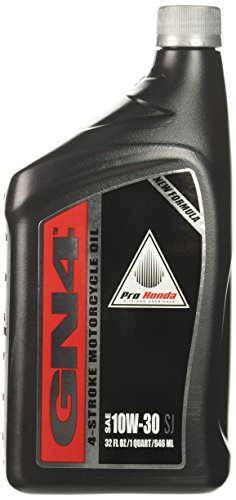
- Honda Pro GN4 motor oil

- Best for: Hard running and wide temperature swings, from winter outages to summer heat.
- Full synthetic 10W-30 four-stroke oil
- 1-quart bottle
- High-zinc formula with 2X the zinc of OEM oils stated
- Stated temperature range of -40°F to 130°F
All 4 Picks at a Glance
| Product | Specs | Action |
|---|---|---|
| Honda Pro HP4S Full Synthetic 10W-30 |
| Check price on Amazon |
| Honda Pro GN4 10W-30 Motor Oil |
| Check price on Amazon |
| TRIAX Power 4-Stroke 10W-30 Full Synthetic |
| Check price on Amazon |
 STP 10W-30 Small Engine Oil |
| Check price on Amazon |
🛒 Best Price Today on Amazon
Prime members get fast, free shipping on everything above, plus member-only deals. New members get a 30-day free trial — cancel anytime.
A portable generator manual that calls for 10W-30 leaves the real decision to the shelf: a full synthetic from the engine maker, a high-zinc formula built for hard running, or a synthetic blend that covers the generator and the mower with one bottle. The grade is only the starting point, because additive packages, temperature range, and pack size decide how the oil behaves on a cold morning start and through a long outage. Choosing well means the engine turns over cleanly, holds steady under load, and comes through the season without varnish building up inside.
This guide is for portable generator owners, campers, and homeowners who keep a generator ready for outages and want the oil choice settled before the storm season. It also suits buyers topping up a new generator after its first hours of running. Each oil below was chosen from the names and specifications shown on its Amazon page, with attention to viscosity grade, synthetic content, stated additives, and pack size.
Quick Picks
As an Amazon Associate we earn from qualifying purchases
| Product | Best for | Key spec from title |
|---|---|---|
| Honda Pro HP4S Full Synthetic 10W-30 | A maker oil for a first fill | Full synthetic 10W-30, 32 oz |
| Honda Pro GN4 10W-30 Motor Oil | A straightforward quart for top-ups | 10W-30 motor oil, 1 quart |
| TRIAX Power 4-Stroke 10W-30 | Cold starts and hard running | Full synthetic, high-zinc formula |
| STP 10W-30 Small Engine Oil | One oil for generator and yard tools | Synthetic blend, 32 oz pack of 2 |
How to Choose
Match the Viscosity to the Manual
Start with the manual, because the viscosity grade is the one choice the maker states plainly, and 10W-30 is the grade most portable generators list for general use. The “10W” part describes how the oil flows when cold, which decides whether the engine cranks easily on a frosty morning, while the “30” part describes how it holds up once the engine is hot and loaded. A manual may list a second grade for very cold or very hot weather, so read the temperature chart before substituting. If the manual names 10W-30 as the primary grade, stay with it rather than guessing at a thicker or thinner oil.
Full Synthetic Versus Synthetic Blend
Full synthetic oil and synthetic blend oil differ in how they are built, and that difference shows up in stability under heat and in cold flow. A full synthetic keeps its viscosity steadier when the generator runs for hours at full load, and it generally flows better at low temperatures, which helps a cold start after the unit has sat in a shed. A synthetic blend costs less per bottle and still covers ordinary outage use, especially when the generator runs for shorter stretches. Match the choice to the duty: long continuous runs favour full synthetic, while occasional short runs suit a blend.
Additives and Temperature Range
Additives are what separate one 10W-30 bottle from another, so read the listing for what it actually states. Zinc protects flat-tappet and high-load parts, detergents keep deposits from building up, and a corrosion inhibitor matters when the generator sits unused between seasons. A stated temperature range tells you the span the maker claims the oil covers, and a wide range suits owners who run the same generator in winter storms and summer heat. Treat maker claims about longer life as claims, not measured results, and weigh them below the grade and the additive list.
Pack Size and Change Intervals
Pack size decides how many changes one purchase covers, so check the sump capacity in the manual before ordering. Many portable generators hold well under a quart, which makes a single quart or a 32 oz bottle enough for one change with a little left for top-ups. A two-pack suits owners who run two machines or who change oil every season and want the second bottle already on the shelf. Plan the interval too: a first change after the break-in hours, then regular changes by hours run rather than by calendar, and always change the oil warm so it drains fully.
The 4 Best Options
Honda Pro HP4S Full Synthetic 10W-30
- Best for: A maker oil for a first fill or a scheduled change on a Honda-powered generator.
- Full synthetic 10W-30 motor oil
- 32 oz bottle
- Part number 08C35-SYN-1030M
- Honda Pro HP4S
A maker oil for a first fill or a scheduled change on a Honda-powered generator.
Check the sump capacity first, since a larger generator may need more than one 32 oz bottle.
The Honda Pro HP4S suits generator owners who want the maker oil in a full synthetic 10W-30, because it pairs the grade most manuals call for with a synthetic base that holds up through long runs. The 32 oz bottle matches the sump size of many portable generators, so one bottle covers a change with a small amount left for topping up. As a maker-branded oil, it fits owners who prefer to follow the engine brand rather than sorting through aftermarket claims. It is the straightforward pick for a first fill or a scheduled change on a Honda-powered unit.
Honda Pro GN4 10W-30 Motor Oil
- Best for: Routine top-ups and scheduled changes on a generator that runs occasional outages.
- 10W-30 viscosity grade
- 1-quart bottle
- Honda Pro GN4 motor oil
Routine top-ups and scheduled changes on a generator that runs occasional outages.
Confirm the manual lists 10W-30 as the primary grade before using it as the only oil on the shelf.
The Honda Pro GN4 suits owners who want a simple quart of 10W-30 for top-ups and routine changes without paying for a synthetic formula. The one-quart bottle is easy to pour and easy to store on a shelf beside the generator, and the grade matches what most portable generator manuals list. It fits buyers who change oil on a regular schedule and would rather keep a spare quart on hand than study additive packages. For a generator that runs occasional outages rather than continuous duty, this is the uncomplicated choice.
TRIAX Power 4-Stroke 10W-30 Full Synthetic
- Best for: Hard running and wide temperature swings, from winter outages to summer heat.
- Full synthetic 10W-30 four-stroke oil
- 1-quart bottle
- High-zinc formula with 2X the zinc of OEM oils stated
- Stated temperature range of -40°F to 130°F
Hard running and wide temperature swings, from winter outages to summer heat.
No API classification is stated on the listing, so owners whose manual requires one should check that detail first.
The TRIAX Power 4-Stroke suits owners who run their generator hard and want a full synthetic with a stated high-zinc formula and a wide temperature range. The listing states twice the zinc of original equipment oils, which is aimed at wear protection under load, and a stated range from minus 40 degrees to 130 degrees Fahrenheit that covers winter storms and summer heat alike. Detergents are stated for clean running with reduced smoke, and the maker claims up to three times the lifespan of conventional four-stroke oils. It fits buyers who want the most protective formula on the shelf.
STP 10W-30 Small Engine Oil
- Best for: A household that runs a generator plus mowers, tractors, or snow blowers from one shelf.
- Synthetic blend SAE 10W-30 four-cycle oil
- 32 oz bottles, pack of 2
- Anti-wear technology stated to minimize engine wear
- Corrosion inhibitor stated for seasonal storage protection
A household that runs a generator plus mowers, tractors, or snow blowers from one shelf.
It is a blend rather than a full synthetic, so owners running very long continuous duty may prefer a full synthetic instead.
The STP 10W-30 suits owners who want one oil for the generator and the rest of the yard equipment, because the listing names generators, lawnmowers, tractors, and snow blowers together. The synthetic blend carries anti-wear technology stated to minimize engine wear, plus a corrosion inhibitor stated to protect the engine during seasonal storage and detergents stated to keep components clean. Two 32 oz bottles in the pack cover more than one change or two machines, which suits a household that services several small engines at once. It is the practical pick for a shared shelf.
Which One Fits Your Situation
You Are Filling a New Generator
Choose the Honda Pro HP4S when the generator is new and the manual calls for 10W-30, because a maker full synthetic in the right grade is the safest first fill. The 32 oz bottle suits the small sump of most portable units, and the full synthetic base handles the break-in heat well. Run the break-in hours the manual states, then change the oil while it is still warm.
You Top Up Between Changes
Choose the Honda Pro GN4 when the generator runs occasional outages and you mainly need a quart on the shelf for top-ups and routine changes. The single quart pours easily and stores well, and the grade matches the manual for most portable units. Keep the bottle sealed and upright so it stays clean between uses.
You Run Long Outages in Any Weather
Choose the TRIAX Power 4-Stroke when the generator may run for hours in cold or heat, because its stated temperature range and high-zinc formula are aimed at exactly that duty. The full synthetic base holds viscosity steady under load, and the detergents are stated to keep the engine clean. Check the API question in the Watch out for line before buying.
You Service Several Small Engines
Choose the STP 10W-30 when the generator shares a shelf with a mower, a tractor, or a snow blower, because one blend covers all of them and the two-pack stretches across machines. The corrosion inhibitor is stated to protect engines that sit between seasons, which suits equipment that waits months between uses.
Common Mistakes
- Pouring two-cycle mix oil into a four-cycle generator engine, which needs straight oil with no fuel mixed in.
- Using a viscosity grade the manual does not list, then wondering why cold starts turn sluggish.
- Overfilling the sump past the dipstick mark, which can cause smoking and rough running.
- Skipping the first oil change after the break-in hours the manual states.
- Storing an opened bottle where dust or moisture can get in, then pouring contaminated oil into a clean engine.
Frequently Asked Questions
Can I use 10W-30 instead of 5W-30 in my generator?
Check the manual, because many manuals list both grades with a temperature chart showing where each one applies. In mild weather the two behave similarly once the engine is warm, but 5W-30 flows better on a cold start. If the manual names 10W-30 as the primary grade, use it and keep the other grade elsewhere.
How much oil does a portable generator take?
Most portable generators hold well under a quart, often around half a quart to three quarters, but the exact figure varies by model. Read the sump capacity in the manual and fill to the dipstick mark rather than pouring in a full bottle. Check the level on flat ground with the engine off and cool enough to handle safely.
Is full synthetic better than a blend for a generator?
Full synthetic oil generally holds its viscosity steadier under heat and flows better in the cold, which helps during long continuous runs and winter starts. A blend still covers ordinary outage use and costs less per bottle. Match the choice to the duty: long runs favour full synthetic, while short occasional runs suit a blend.
How often should I change generator oil?
Change it after the break-in hours the manual states, then on the hour interval the manual gives, which is often measured in running hours rather than months. A generator that sits unused still benefits from a fresh change before storm season, and the old oil should be drained while warm so it flows out fully.



Write Your Review
No reviews yet. Be the first to share your experience!