
Our Short List of 3

- Best for: Owners whose GDI engine already shows rough idling or power loss from valve deposits.
- 11-ounce aerosol, part number 05319
- PEA-based formula, 150X concentrated valve cleaner
- Applied through the air intake with the engine running
- Designed for GDI intake valves and turbochargers

- Best for: GDI owners who want a simple pour-in maintenance treatment at regular intervals.
- 10.01 fluid ounces, part number 22076
- Added directly to the gasoline tank
- Recommended for GDI engine maintenance
- Helps minimise low-speed pre-ignition

- Best for: Owners who want cleaning and fuel stabilisation together, especially for cars that sit unused.
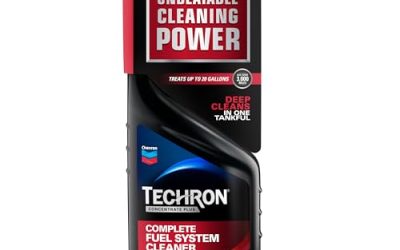
- 20-ounce bottle, part number 11722
- Treats up to 20 gallons of fuel
- Fuel system cleaner and fuel stabilizer in one
- Three-in-one fuel additive formula
All 3 Picks at a Glance
| Product | Specs | Action |
|---|---|---|
| CRC GDI IVD Intake Valve and Turbo Cleaner 05319 |
| Check price on Amazon |
| Liqui Moly DIJectron GDI Cleaner 22076 |
| Check price on Amazon |
| Royal Purple Max-Clean Fuel System Cleaner and Stabilizer 11722 |
| Check price on Amazon |
🛒 Best Price Today on Amazon
Prime members get fast, free shipping on everything above, plus member-only deals. New members get a 30-day free trial — cancel anytime.
Direct-injection engines spray fuel straight into the combustion chamber, which means the fuel never washes over the intake valves. Over time, carbon deposits build up on those valves, and the engine can lose power, idle roughly, waste fuel, and trigger warning lights. A GDI-specific cleaner is designed for exactly this problem, but the products split into two very different types: intake sprays that reach the valves directly, and tank additives that clean the injectors and combustion chamber from the inside. This guide compares the three most useful types.
This guide is for owners of gasoline direct-injection cars who want to maintain performance and prevent deposit build-up. Each product below was chosen from the names and specifications on its Amazon product page, with attention to application method, treatment size, ease of use, and whether the formula is made specifically for GDI engines.
Quick Picks
As an Amazon Associate we earn from qualifying purchases
| Product | Best for | Key spec from title |
|---|---|---|
| CRC GDI IVD Intake Valve Cleaner 05319 | Cleaning intake valves directly | 11 oz aerosol, PEA formula, intake spray |
| Liqui Moly DIJectron 22076 | Routine GDI maintenance in the tank | 10.01 fl oz, GDI maintenance, LSPI protection |
| Royal Purple Max-Clean 11722 | A cleaner and stabilizer in one bottle | 20 oz, treats up to 20 gallons, stabilizer |
How to Choose
Understand Why GDI Engines Need a Specific Cleaner
In a direct-injection engine, fuel is sprayed into the cylinder rather than onto the intake valves, so the valves never get washed by fuel. Oil vapour from the crankcase ventilation system can then bake onto the hot valve stems and form carbon deposits. A general fuel additive may clean injectors, but it cannot reach the intake valves at all. GDI-specific products are formulated for this exact problem, either as an intake spray that passes over the valves or as a tank additive with detergents aimed at GDI deposits. Check that the product name or label actually mentions GDI or direct injection before buying. That word marks a real GDI cleaner.
Choose Between an Intake Spray and a Tank Additive
Intake sprays and tank additives solve different parts of the problem, so the choice depends on what your engine needs. A spray such as the CRC GDI IVD below is applied through the air intake with the engine running, so the cleaning mist passes directly over the intake valves where deposits form. A tank additive such as Liqui Moly DIJectron or Royal Purple Max-Clean is poured into the fuel tank and works through the injectors and combustion chamber. Many owners use both types together. Never pour a spray product into the tank, and never spray a tank additive into the intake.
Read the Treatment Size and Frequency
Fuel system cleaners are sold by bottle size and by how much fuel they treat, so check both numbers before comparing products. A 20-ounce bottle that treats up to 20 gallons covers a full tank in most cars, while a smaller bottle may treat only a partial fill. Some products are designed for use at every fill-up, while others are a periodic treatment every few thousand miles. Using a periodic treatment too often wastes money, and using a maintenance additive once a year will not clean existing deposits. Follow the label’s frequency guidance for the product you choose. Full-tank coverage is usually better value than a part-tank bottle.
Handle Fuel Cleaners Safely
Fuel system cleaners are flammable chemicals, and the labels carry warnings for a reason, so treat them with care. Work outdoors or in a well-ventilated area, keep the product away from sparks and hot surfaces, and avoid breathing the spray mist when applying an intake cleaner. Wear gloves and eye protection if the label recommends them, and store the bottle upright in a cool place away from children. Never smoke while handling fuel additives, and wipe up spills immediately. If a product requires the engine to run at a specific speed during application, follow that instruction exactly rather than guessing. Keep the bottle upright and out of reach of children between uses.
The 3 Best Options
CRC GDI IVD Intake Valve and Turbo Cleaner 05319
- Best for: Owners whose GDI engine already shows rough idling or power loss from valve deposits.
- 11-ounce aerosol, part number 05319
- PEA-based formula, 150X concentrated valve cleaner
- Applied through the air intake with the engine running
- Designed for GDI intake valves and turbochargers
Owners whose GDI engine already shows rough idling or power loss from valve deposits.
The application needs the engine running at a set speed, so read the label steps fully before starting.
The CRC GDI IVD is the intake spray, an 11-ounce aerosol designed to clean intake valves and turbos in direct-injection engines. It is applied through the air intake with the engine running at around 2,000 RPM, so the cleaning mist passes over the valves where carbon deposits form. The formula uses PEA detergents and is described as 150 times concentrated, which is why a single can is enough for one treatment. Because it reaches the valves directly, it addresses the deposit problem that tank additives cannot touch. It is the right choice when the engine shows signs of valve deposits, such as rough idling or lost power.
Watch out for: The application needs the engine running at a set speed, so read the label steps fully before starting.
Liqui Moly DIJectron GDI Cleaner 22076
- Best for: GDI owners who want a simple pour-in maintenance treatment at regular intervals.
- 10.01 fluid ounces, part number 22076
- Added directly to the gasoline tank
- Recommended for GDI engine maintenance
- Helps minimise low-speed pre-ignition
GDI owners who want a simple pour-in maintenance treatment at regular intervals.
As a tank additive it cannot reach intake valve deposits directly, so pair it with a spray for valve cleaning.
The Liqui Moly DIJectron is a tank additive made specifically for gasoline direct-injection engines, and it is the maintenance product in this guide. You pour the 10.01-fluid-ounce bottle into the fuel tank, where it works through the injectors and combustion chamber on every drive until the tank is empty. The label recommends it for GDI maintenance and notes that it helps minimise low-speed pre-ignition, a knock problem that affects some direct-injection engines. A blue cap with an applicator spout makes pouring clean and simple. It is the easiest product here to use, which is why it suits regular maintenance rather than a one-off deep clean, with no tools needed.
Watch out for: As a tank additive it cannot reach intake valve deposits directly, so pair it with a spray for valve cleaning.
Royal Purple Max-Clean Fuel System Cleaner and Stabilizer 11722
- Best for: Owners who want cleaning and fuel stabilisation together, especially for cars that sit unused.
- 20-ounce bottle, part number 11722
- Treats up to 20 gallons of fuel
- Fuel system cleaner and fuel stabilizer in one
- Three-in-one fuel additive formula
Owners who want cleaning and fuel stabilisation together, especially for cars that sit unused.
Like other tank additives it does not clean intake valves directly, so it is a complement to a spray, not a replacement.
The Royal Purple Max-Clean combines a fuel system cleaner with a fuel stabilizer in a single 20-ounce bottle, which makes it the most versatile product here. One bottle treats up to 20 gallons, so it covers a full tank in most cars, and the stabilizer component helps keep fuel fresh during storage. The label describes it as a three-in-one fuel additive that cleans the fuel system while stabilising fuel, which suits cars that sit unused for weeks at a time. It is poured into the tank like the Liqui Moly product, so application is simple, and the larger bottle gives more treatments per purchase than the smaller options.
Watch out for: Like other tank additives it does not clean intake valves directly, so it is a complement to a spray, not a replacement.
Which One Fits Your Situation
For an Engine That Already Runs Rough
The CRC GDI IVD spray is the pick when the engine idles roughly or feels down on power, because it reaches the intake valves directly where deposits cause those symptoms. Apply it through the intake exactly as the label directs, with the engine at the specified speed. A tank additive alone will not clear valve deposits, so start with the spray and then maintain the result with a pour-in product.
For Regular GDI Maintenance
The Liqui Moly DIJectron is the maintenance choice, a pour-in treatment you add to the tank at regular intervals to keep injectors and the combustion chamber clean. It is simple to use and made specifically for direct-injection engines, with a note about minimising low-speed pre-ignition. Use it on a schedule rather than waiting for symptoms, because prevention is cheaper than a deep clean. A schedule beats waiting for symptoms to appear.
For a Car That Sits Unused
The Royal Purple Max-Clean suits cars that spend weeks parked, because it cleans the fuel system and stabilises the fuel in one bottle. A full tank treated with Max-Clean stays fresher during storage, and the 20-ounce size covers a full fill. It is a good choice for seasonal vehicles, second cars, and classic cars that are driven occasionally. Treat the tank before a long storage period begins.
For a Complete GDI Cleaning Routine
The strongest routine combines all three approaches: the CRC spray for the intake valves, then a tank additive such as DIJectron or Max-Clean for the injectors and combustion chamber. Use the spray when symptoms appear or as a periodic deep clean, and use the tank additive regularly between sprays. This combination covers both sides of the GDI deposit problem rather than only one. The spray and the tank additive cover different parts.
Common Mistakes
- Buying a general fuel additive that never mentions GDI or direct injection on the label, so always check the label first.
- Pouring an intake spray into the fuel tank, or spraying a tank additive into the intake, since each product has one correct route into the engine.
- Expecting a tank additive alone to clean intake valve deposits it cannot reach, when only a spray applied through the intake reaches them.
- Using a periodic deep-clean treatment at every fill-up instead of following the label frequency, which wastes money and risks over-treatment.
- Handling fuel cleaners indoors or near sparks instead of working in a ventilated area, where fumes can build up unnoticed.
Frequently Asked Questions
How often should I use a GDI fuel system cleaner?
It depends on the product type. Tank additives such as DIJectron are maintenance products designed for regular use at set intervals, while intake sprays such as the CRC GDI IVD are periodic deep-clean treatments. Follow the frequency on the label for the product you choose, and use a spray sooner if the engine idles roughly or loses power.
Can a fuel additive really clean intake valves on a GDI engine?
A tank additive cannot, because fuel in a direct-injection engine never touches the intake valves. Only an intake spray applied through the air intake passes over the valves and can clean the deposits there. Tank additives help by cleaning injectors and the combustion chamber, so the two types complement each other.
Is a GDI cleaner safe for my engine?
Yes, when used exactly as the label directs, including the application method, the engine speed for sprays, and the treatment size for tank additives. Never mix products or exceed the stated dose, and keep the chemicals away from sparks and hot surfaces. If your engine is under warranty, check the owner’s manual for any restrictions on aftermarket additives before use.
What is low-speed pre-ignition, and does DIJectron help?
Low-speed pre-ignition is an uncontrolled early ignition event that can occur in some turbocharged direct-injection engines under load, and it can damage pistons over time. The Liqui Moly DIJectron label notes that the product helps minimise it as part of GDI maintenance. It is a preventive measure, not a repair, so it works best in a regular maintenance routine.




Write Your Review
No reviews yet. Be the first to share your experience!