
🛒 Best Price Today on Amazon
Prime members get fast, free shipping on everything above, plus member-only deals. New members get a 30-day free trial — cancel anytime.
If your generator budget is under $1,500, Predator and Champion are probably at the top of your list. Both brands promise lots of power for the money, but they differ on fuel options, warranty coverage and how they get into your hands. This comparison focuses on the three factors that decide whether a value generator was a smart buy: price paid, usable power delivered, and reliability when you need it most.
Price: coupons, classes and cost per watt
Predator pricing is heavily shaped by Harbor Freight’s coupons and sales, while Champion’s price varies by retailer and season. Both typically undercut premium brands by 40–60%.
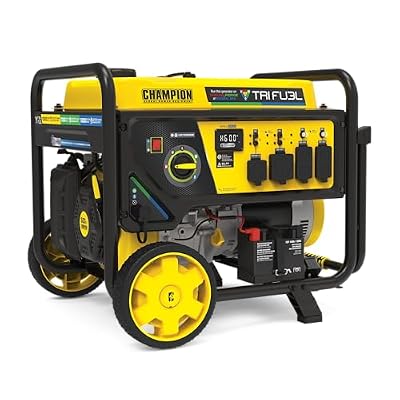
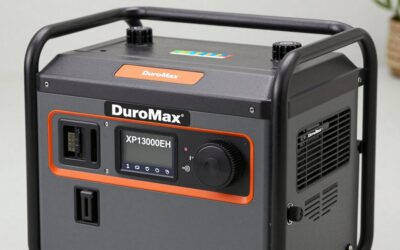
Champion 12,500-Watt Electric Start Tri Fuel Home Backup Portable Generator
Included for 'Predator vs Champion Generators: Price, Power, and Reliability Compared' as a relevant option in this category; details come from the product listing.
View on Amazon
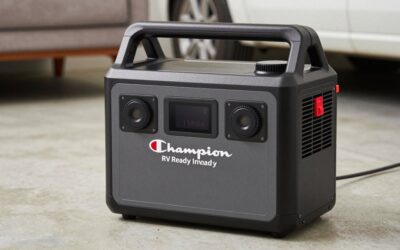
Champion 4000-Watt Dual Fuel RV Ready Portable Inverter Generator
Included for 'Predator vs Champion Generators: Price, Power, and Reliability Compared' as a relevant option in this category; details come from the product listing.
View on Amazon
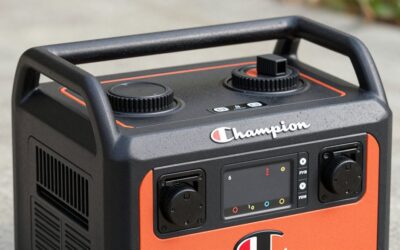
Champion 4500-Watt Electric Start Dual Fuel Portable Inverter Generator
Included for 'Predator vs Champion Generators: Price, Power, and Reliability Compared' as a relevant option in this category; details come from the product listing.
View on Amazon
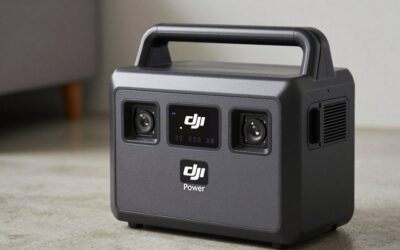
Champion 4250-Watt Dual Fuel Portable Open Frame Inverter Generator, CARB
Included for 'Predator vs Champion Generators: Price, Power, and Reliability Compared' because the listing specifies CARB, details this guide uses to compare options.
View on Amazon| Class | Predator typical range | Champion typical range | Notes |
|---|---|---|---|
| ~2,000–3,500W inverter | $450–1,000 | $500–1,100 | Near parity; watch coupons |
| ~5,000–9,000W inverter | $1,200–2,300 | $1,100–2,000 | Champion often includes dual fuel |
| ~9,000–13,000W open frame | $800–1,500 | $900–1,600 | Close; compare starting watts |
Warranty as part of price
Champion’s standard multi-year warranty is included in the sticker. Predator’s standard coverage is shorter, so many buyers add a paid extended plan. Add that cost when comparing — it can shift the math by $80–250 depending on the unit.
Power: matching output to real loads
Both brands’ numbers are broadly comparable within a class. The key differences come from fuel type and inverter versus open frame.
| Load set | Running W | Starting W | Suggested class |
|---|---|---|---|
| Fridge + lights + router + TV | ~1,000 | ~2,200 | 3,000–3,500W inverter |
| Add sump pump + furnace blower | ~2,800 | ~5,000 | 5,000–7,000W |
| Add well pump + window AC | ~5,000 | ~8,500 | 9,000W+ open frame or large inverter |
Propane derating
On Champion dual-fuel units, expect roughly 10% less output on propane. If you plan to rely on propane during a winter storm, pick a size where the propane rating still covers your largest starting load.
Clean power
Inverters from both brands provide low-distortion output suitable for electronics. For open-frame units feeding a furnace control board or computers, a line-interactive UPS or surge protector adds a layer of safety.
Reliability: what really matters
Value generators from both brands use similar overhead-valve engine architecture. Differences in reliability come mostly from build consistency, parts access and owner habits.
Build and quality control
Both brands have improved consistency over the past decade. Check a new unit carefully: confirm oil level (many ship dry), inspect wiring and run it under a moderate load for the first few hours to catch any early defect while you are within the return window.
Storage readiness
A generator that sits nine months and fails to start is the most common disappointment. Champion’s dual-fuel models allow a propane start that avoids stale-gas problems. Predator owners should run carburetors dry, use stabilizer and start the unit monthly.
| Reliability habit | Why it matters | Time needed |
|---|---|---|
| Monthly 15-minute run with load | Keeps seals and battery healthy | 15 min |
| Stabilized, fresh fuel | Prevents carburetor varnish | 5 min |
| Oil change every 50–100 hrs | Engine longevity | 15 min |
| Charge electric-start battery | Avoids no-start in emergency | Trickle charger |
Scorecard
On price, the two are close with coupon timing deciding the winner. On power, they match class for class, with Champion’s dual fuel adding flexibility. On reliability, Champion’s included warranty and propane start give it an edge for storm prep, while Predator’s large aftermarket and in-store support suit hands-on owners.
Checklist before you buy
- Confirm the starting watts cover your largest motor (well pump, sump pump, AC compressor).
- Check for the right outlet: TT-30R for RVs, L14-30R for most home transfer switches.
- Decide on fuel: gasoline only, or dual fuel with propane for storage.
- Look up the current warranty length and whether you want an extended plan.
- Verify weight and wheels if you will move the unit alone.
- Budget for a heavy-gauge cord, oil, stabilizer and a cover.
Running through this list usually settles the Predator-versus-Champion question quickly, because one brand will have a model that fits all six boxes at your budget while the other forces a compromise.
FAQ
Should I buy the extended warranty on a Predator?
If you do not do your own small-engine repairs, an extended plan is reasonable protection given the shorter standard coverage. Keep your receipt and follow maintenance intervals.
Which brand holds up better in cold weather?
Cold starts depend on oil viscosity and battery health more than brand. Use the manufacturer’s recommended cold-weather oil (often 5W-30) and keep the starting battery charged.
Bottom line
Predator and Champion are closely matched on price and power. Champion’s dual fuel and standard warranty give it an edge for emergency readiness, while Predator shines when you can buy on sale and prefer in-store service. Size by starting watts and fuel plan, and either brand delivers strong value.
Write Your Review
No reviews yet. Be the first to share your experience!