
🛒 Best Price Today on Amazon
Prime members get fast, free shipping on everything above, plus member-only deals. New members get a 30-day free trial — cancel anytime.
A standby generator is permanently installed outside your home, connected to natural gas or a propane tank, and wired through an automatic transfer switch that starts it within seconds of a power failure. A portable generator is wheeled out when needed, fueled by hand and connected with a cord and a manual transfer switch or interlock. Both keep the lights on, but they differ dramatically in cost, convenience, capacity and maintenance. Here is how to decide between them.
How each system operates during an outage
Standby
The grid drops, the automatic transfer switch detects the loss, the generator starts and transfers load in roughly 10–30 seconds, whether you are home or not. When utility power returns, it transfers back and shuts down after a cool-down period.
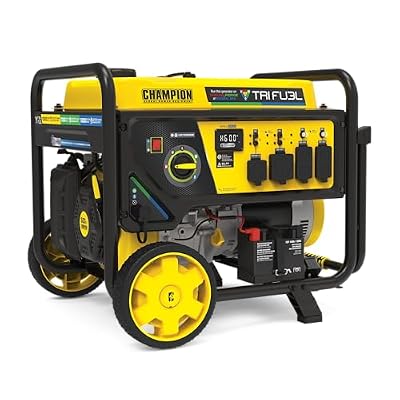
Champion 12,500-Watt Electric Start Tri Fuel Home Backup Portable Generator
Included for 'Standby Generator vs Portable Generator: Which Is Right for You?' as a relevant option in this category; details come from the product listing.
View on Amazon
Champion 11,500-Watt Electric Start Dual Fuel Portable Generator
Included for 'Standby Generator vs Portable Generator: Which Is Right for You?' because the listing specifies 500-Watt Electric Start Dual Fuel Portable Generator, details this guide uses to compare options.
View on Amazon
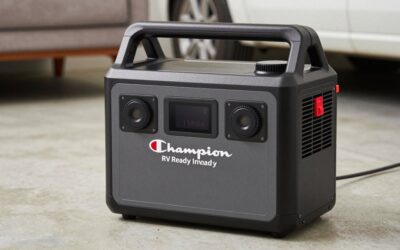
Champion 3650-Watt RV-Ready Portable Generator with CO Shield
Included for 'Standby Generator vs Portable Generator: Which Is Right for You?' as a relevant option in this category; details come from the product listing.
View on Amazon
Champion 4250-Watt Dual Fuel Portable Open Frame Inverter Generator, CARB
Included for 'Standby Generator vs Portable Generator: Which Is Right for You?' because the listing specifies CARB, details this guide uses to compare options.
View on AmazonPortable
You roll the generator to a safe spot at least 20 feet from the house, fuel it, start it, plug the cord into the inlet box, flip the interlock or manual transfer switch, and switch on selected circuits. Every 6–12 hours you refuel, and at night you manage noise and theft risk.
Cost comparison
| Cost item | Standby | Portable |
|---|---|---|
| Generator | $4,000–12,000 (10–26kW) | $600–2,500 (5–12kW) |
| Transfer equipment + install | $3,000–8,000 total install | $400–1,500 (inlet + interlock/switch) |
| Fuel setup | Gas line or propane tank | Cans or cylinders |
| Annual maintenance | $200–400 service visit | DIY oil, plugs, fuel care |
| Typical all-in | $8,000–20,000 | $1,200–4,000 |
Capacity and what you can run
Standby units commonly range from 10kW to 26kW for homes, enough to cover central air conditioning, electric ranges and well pumps, often with load-management modules that shed non-essential loads automatically. Portables typically deliver 5,000–10,000 running watts through a 30A or 50A connection, which covers essentials — refrigerator, freezer, sump, furnace blower, lights, and perhaps a window AC or well pump in rotation.
| Home type | Typical standby size | Portable alternative |
|---|---|---|
| Small home, gas heat, no AC | 10–14kW | 5–7kW dual fuel |
| Mid home with 3-ton central AC | 18–22kW | 9–12kW with AC excluded or soft-start |
| Large home, all-electric | 22–26kW+ | Not practical for whole home |
Fuel and runtime
A natural-gas standby runs as long as the utility gas supply flows — often weeks. A propane standby depends on tank size; a 500-gallon tank might run a 20kW unit at half load for roughly a week or more. A portable depends on how much gasoline or propane you can store and buy during the outage; at 50% load, a 9kW portable may use 7–10 gallons of gas in a day.
Maintenance and reliability
Standby generators run a weekly self-test exercise and report faults, many via app notifications. They need an annual service: oil, filter, spark plugs and battery check. Portables need the same basics but also careful fuel management, since they often sit for months.
Convenience and safety
Standby systems eliminate cords, refueling and placement mistakes that cause carbon-monoxide incidents. Portables demand discipline: never run in a garage, keep distance from windows, and use CO alarms inside. For households with elderly members, medical equipment or frequent travel, standby’s automation is a safety feature, not just a convenience.
Choosing
Choose standby if outages are frequent or long in your area, someone in the home depends on powered medical equipment, you want central AC during outages, or you are often away. Choose portable if outages are rare and short, your budget is under $4,000, or you also want the generator for camping and job sites.
Permits, placement and HOA rules
Standby generators usually require electrical and gas permits, and many municipalities set minimum distances from windows, doors, property lines and air intakes — commonly around 5 feet from openings for units rated for close placement, and more for others. Homeowner associations may restrict location or require screening. Portables avoid permanent-install rules but come with their own placement demands: at least 20 feet from the house during operation and never in an attached garage. Also consider noise ordinances; standby units run their weekly exercise cycle at a scheduled time, which you can set for mid-day to avoid disturbing neighbors. Checking these rules before buying prevents expensive surprises and can influence which size and model you choose.
FAQ
How long does standby installation take?
Typically one to three days of on-site work once permits are approved, including a concrete or composite pad, gas line, electrical connection and transfer switch. Permitting can add weeks.
Can a portable generator be connected like a standby?
Only through a manual transfer switch or interlock. Some portables offer remote start, but none match the automatic, unattended operation of a standby system.
Bottom line
Standby generators offer automatic, whole-home protection at a high price. Portables cover essentials for a fraction of the cost but require hands-on operation. Let outage frequency, medical needs and budget make the decision.
Write Your Review
No reviews yet. Be the first to share your experience!