
Our Short List of 3

- Best for: Owners whose single feed still bolts straight to the post, and who want that run guarded at a stated rating where the current is thickest.
- Brand: Renogy, as named in the listing
- Type: ANL fuse, per the listing name
- Stated rating: 20A, per the listing name
- Role in this set: The terminal post — the guard seated where the machine’s only feed leaves the bank, rated to open before the heaviest cable becomes the fault path

- Best for: Owners whose generator works nights outdoors, and who want light fixed and aimed at the machine instead of carried on their forehead.
- Brand: Nilight, as named in the listing
- Type: LED light pods, per the listing name
- Stated size: 7 inch, per the listing name
- Stated power: 30W, per the listing name

- Best for: Owners whose maintenance reaches behind the covers, and who want one graded set matched to the fasteners their machine and their deck actually wear.
- Brand: toolant, as named in the listing
- Type: Bit set, per the listing name
- Role in this set: The service post — the tool that opens the battery box, panel and housings, and drills the pilot holes the deck timber demands
- Stated sizes, shank type, steel and case count: Confirm on the listing
All 5 Picks at a Glance
| Product | Specs | Action |
|---|---|---|
| Renogy 20A ANL Fuse |
| Check price on Amazon |
| Nilight 7 Inch 30W LED Light Pods |
| Check price on Amazon |
| toolant Bit Set |
| Check price on Amazon |
 TYLife Tape |
| Check price on Amazon |
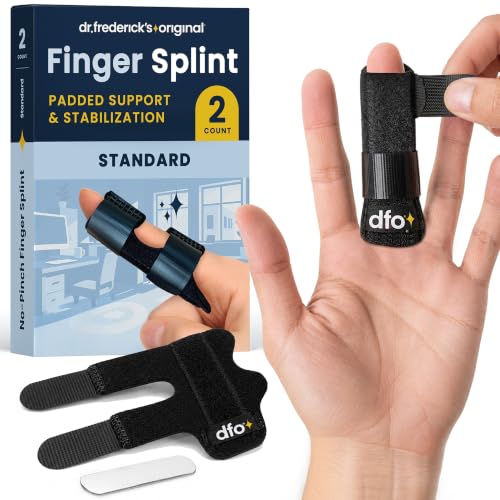 Dr. Frederick’s Trigger Finger Splint |
| Check price on Amazon |
🛒 Best Price Today on Amazon
Prime members get fast, free shipping on everything above, plus member-only deals. New members get a 30-day free trial — cancel anytime.
The generator does not live in the shed anymore. It stands outside now, on a low deck built for it from bangkirai — heavy boards, yellow-brown darkening toward red, chosen because the trade posts this timber to weather. Moving the machine changed every job around it: fuel checks happen in the open, covers come off under the sky, and hands haul the machine across boards instead of dirt. The decision this round is which posts an outdoor machine actually needs staffed.
The round serves owners who have moved a standby machine onto a deck or pad, households whose generator now winters outside under a cover, and anyone whose service kit still assumes a roof and a dirt floor. Its five picks hold their posts from the listings: an ANL fuse, LED light pods, a bit set, a sealing tape and a finger splint — each graded the bangkirai way, on stated lines rather than on the name over the stack.
Quick Picks
As an Amazon Associate we earn from qualifying purchases
Bangkirai is a Southeast Asian heavy hardwood from the Shorea group, traded under a yard name that covers several species at once. The heartwood runs yellow-brown to reddish-brown, the texture is coarse, the grain straight to interlocked, and the boards are hard and heavy in the hand. The trade trusts this one outdoors: it is naturally durable, posted to decking, flooring, exterior joinery and heavy construction. It is demanding to work — hard on tool edges, and it splits on nailing unless pilot holes go first. One name, several timbers: the stated species and the stated use decide what a stack really is.
| Product | Best for | Key spec from title |
|---|---|---|
| Renogy 20A ANL Fuse | A main feed that bolts bare to the battery post outdoors | ANL fuse, stated 20A rating, per the listing name |
| Nilight 7 Inch 30W LED Light Pods | Night fuel checks on a deck with no light of its own | LED light pods, stated 7 inch and 30W, per the listing name |
| toolant Bit Set | Covers and deck hardware that only yield to a bit that fits | Bit set, per the listing name |
| TYLife Tape | Cable jackets and connector seams the weather now reaches | Tape, per the listing name |
| Dr. Frederick’s Trigger Finger Splint | A finger knocked during the deck build or a machine haul | Trigger finger splint, per the listing name |
How to Choose
One Name Over Several Timbers
Bangkirai is the standing warning of this round. The word is a trade name laid over several Shorea species, and two stacks sold under it can part company in weight, grain and temper while sharing the label. Listings behave the same way: one headline spread over several builds, the real differences written underneath in rating, size, fit and count. The discipline is identical in both places. Buy the stated lines, not the name — at the yard, the species and the posting; on the listing, the figures printed below the title.
Outdoor Duty Rewrites the Grades
A deck is not a floor with a view; it is a posting, and it rewrites what each pick is graded on. Rain reaches the connector that a shed roof used to cover. Sun works on the tape wrap. The machine is hauled, not wheeled across concrete, and the ground it stands on is swept boards rather than a dirt pad. Grade every pick on its stated duty under weather, then store the spares the way the duty demands — dry, off the boards, and out of the season’s reach.
The Guard Stays at the Terminal
Moving the machine did not move the current. One feed still runs from bank to starter, the heaviest run in the setup, and it still ends in a bolted joint at the post. A corner with one feed needs one guard, seated where the current is thickest: at the terminal, in bolt-down form. That guard is bought on a single printed figure — its stated rating — matched against the main cable and the starter’s appetite. A fuse chosen for the shape of its block is decoration; a fuse chosen for its rating is protection.
Edges, Seams and Hands
Bangkirai is hard on everything that works around it. It blunts tool edges, splits around a nail driven without a pilot hole, and asks for pilot holes and patience from the hands building with it. Grade the service kit the same way: bits bought on stated sizes, shank and steel, because covers and deck hardware both refuse the wrong fit. Grade the seams for weather, and keep a wrap for the minor knocks that hauling a machine across new boards reliably delivers.
The 5 Best Options
Renogy 20A ANL Fuse
- Best for: Owners whose single feed still bolts straight to the post, and who want that run guarded at a stated rating where the current is thickest.
- Brand: Renogy, as named in the listing
- Type: ANL fuse, per the listing name
- Stated rating: 20A, per the listing name
- Role in this set: The terminal post — the guard seated where the machine’s only feed leaves the bank, rated to open before the heaviest cable becomes the fault path
Owners whose single feed still bolts straight to the post, and who want that run guarded at a stated rating where the current is thickest.
The rating is the purchase, not the block’s shape — confirm the stated figure on the listing against your main cable and starter draw; a guard rated for a lighter run will not survive the feed, and one rated past it will not open.
Renogy’s listing names a 20A ANL fuse, and it keeps the terminal post it has held through the last two rounds. The deck changed the machine’s address, not its wiring: a single feed still runs from bank to starter, and it still ends the way it always has — cable, lug, post, the bank’s full charge behind a plain bolted joint. The ANL block rebuilds that joint around a guard, bolt-down at the terminal, opening at a stated figure if the jacket ever chafes through against the frame. Confirm the bolt pattern, the accepted cable size and the block’s form on the listing before the joint comes apart.
Nilight 7 Inch 30W LED Light Pods
- Best for: Owners whose generator works nights outdoors, and who want light fixed and aimed at the machine instead of carried on their forehead.
- Brand: Nilight, as named in the listing
- Type: LED light pods, per the listing name
- Stated size: 7 inch, per the listing name
- Stated power: 30W, per the listing name
Owners whose generator works nights outdoors, and who want light fixed and aimed at the machine instead of carried on their forehead.
A pod is only as good as its mounting point — confirm the bracket, hardware and voltage on the listing against the deck post or rail you intend to use, and aim the beam at the machine rather than flooding the yard.
Nilight’s listing names 7 inch 30W LED light pods, and they keep the light post they won last round. A deck has no light of its own, and the machine’s night jobs — the dipstick read, the fuel cap in shadow, the fitting dropped between the boards — now happen in the open, further from the house’s spill. Pods change the arrangement permanently: fixed once to a deck post or rail, aimed at the machine, waiting where the work is instead of in a pocket. The stated size and wattage are read on the listing, and the mount is checked against the post the deck actually offers.
toolant Bit Set
- Best for: Owners whose maintenance reaches behind the covers, and who want one graded set matched to the fasteners their machine and their deck actually wear.
- Brand: toolant, as named in the listing
- Type: Bit set, per the listing name
- Role in this set: The service post — the tool that opens the battery box, panel and housings, and drills the pilot holes the deck timber demands
- Stated sizes, shank type, steel and case count: Confirm on the listing
Owners whose maintenance reaches behind the covers, and who want one graded set matched to the fasteners their machine and their deck actually wear.
A long case is not wide coverage — the sizes your battery box and panel use are a narrow band, so confirm the stated sizes and shank on the listing against those fasteners before ordering, not after the first cover refuses.
toolant’s listing names a bit set, and it keeps the service post. The guarded feed and the lit deck still leave the setup’s knowledge stopping at the covers: the battery box, the control panel and the recoil housing come off only for bits whose stated sizes match the fasteners underneath. The deck build makes the same demand — bangkirai wants pilot holes before screws, and pilot holes want the right bit in the right size. That match is the entire grade, read the way a yard record is read: sizes printed, shank turned on, steel cut from, each line confirmed on the listing.
TYLife Tape
- Best for: Owners whose cable ends and connectors are wrapped in whatever the drawer held, and who want one stated tape kept for sealing work outdoors.
- Brand: TYLife, as named in the listing
- Type: Tape, per the listing name
- Role in this set: The sealing post — jackets insulated, connector seams closed against damp, labels weathered over before the season turns them to paste
- Stated tape type, width, length and pack count: Confirm on the listing
Owners whose cable ends and connectors are wrapped in whatever the drawer held, and who want one stated tape kept for sealing work outdoors.
Tape seals and insulates; it does not rebuild a cable — a cut or crushed conductor gets replaced, not wrapped, and a jacket nick is a tape job only while the strands beneath stay sound. Confirm the stated type and width on the listing.
TYLife’s listing names a tape, and it keeps the sealing post. Outdoors, damp works at edges it never reached indoors: where a cable jacket has kissed the frame once too often, where two connector halves meet and breathe, where a paper label gives up on the fuel can. A wrap of tape pulled tight over insulation that is still sound, and pressed along its whole length, closes those edges and turns the weather aside. The purchase is printed on the listing — type, width, length — matched to the seams your setup actually has, then stored where the damp cannot reach it first.
Dr. Frederick’s Trigger Finger Splint
- Best for: Owners who work the machine with their hands — hauling, building, servicing — and want a wrap for a minor knock kept where the work happens.
- Brand: Dr. Frederick’s, as named in the listing
- Type: Trigger finger splint, per the listing name
- Role in this set: The first-aid post — a wrap kept with the machine kit for the minor finger knocks that deck work and machine hauling deliver
- Stated sizing, pack count and fastening form: Confirm on the listing
Owners who work the machine with their hands — hauling, building, servicing — and want a wrap for a minor knock kept where the work happens.
A splint is a wrap for a minor hurt, never a treatment — a finger that will not bend, bear weight or stop swelling belongs to proper care, not to a wrap and another attempt at the starter rope. Confirm the stated sizing on the listing against the finger it may have to fit.
Dr. Frederick’s listing names a trigger finger splint, and it takes this round’s open seat: the first-aid post. The seat’s previous holder cleared ground that no longer exists — a deck is swept, not vacuumed — while the work around this machine has started charging hands instead: a recoil starter rapping a knuckle, a screw driven into dense timber kicking back, a haul across new boards ending with a jammed finger. The splint is bought as a wrap for those minor knocks, sized and fastened as the listing states, and kept with the kit rather than in a bathroom cabinet.
Which One Fits Your Situation
The Machine Moved Outside This Season
Start with the light pods. The shed had a bulb; the deck has whatever the house throws across the yard, and the first night fuel check will show the gap. Fix the pods to a post once, aim them at the machine, and every job after starts lit, with both hands free for the work itself.
The Main Feed Bolts Straight to the Post
Start with the ANL fuse. Every other post can be staffed and the starter cable still sits one chafed jacket away from the worst fault the bank can deliver. Seat the block at the terminal, match its stated rating to the main cable and the starter’s draw, and the thickest run stops being the unguarded one.
The Covers Have Not Been Off Since the Move
Start with the bit set. The terminals, the panel connections, the starter rope — the work that matters waits behind fasteners, and the same set drills the pilot holes the deck timber demands. Match the stated sizes to the screws you can see, open the covers on a dry afternoon, and the machine becomes something maintained instead of a box circled warily.
The Work Keeps Charging Your Hands
Start with the splint. Dense timber, a heavy machine and a starter rope are a reliable committee for knocked fingers, and the nearest wrap should live with the kit, not across the house. Confirm the stated sizing on the listing, keep it in the machine’s box, and a minor knock gets wrapped where it happened.
Common Mistakes
- Buying the name over the stack: bangkirai is one trade name over several Shorea species, and a listing headline does the same over its variants — the stated lines underneath are what arrive at your door.
- Driving fasteners into bangkirai bare: the timber splits around a nail or screw set without a pilot hole, and it blunts the edges of tools worked carelessly — drill first, then drive.
- Wrapping a damaged cable and calling it repaired: tape over a nick is sound only while the conductor beneath is untouched — a cut or crushed cable is a replacement job, not a wrapping job.
- Fitting a fuse by the block it slides into: the rating is the protection, and a fuse chosen for its shape can sit smiling in its holder while passing the very fault it was bought to stop.
- Treating a splint as a cure: it is a wrap for a minor hurt, and a finger that will not bend or bear weight needs proper care — wrapping it and pulling the starter rope again is how a knock becomes an injury.
Frequently Asked Questions
Is anything in this set actually made of bangkirai?
No. The fuse, pods, bits, tape and splint contain no bangkirai at all. Bangkirai lends the round its grading standard: a Southeast Asian heavy hardwood from the Shorea group, traded under one yard name across several species, yellow-brown to reddish-brown in the heartwood, coarse in texture. Judge the stated duty, never the shared name a stack travels under.
What is bangkirai wood actually used for?
Work posted to weather: decking, flooring, exterior joinery and heavy construction. It is hard and heavy and naturally durable, which suits it to a machine deck, but it is demanding to work — hard on tool edges, and it splits on nailing unless pilot holes are drilled first. The stated species and posting decide whether a given stack suits the job.
Why did the vacuum bags leave this set?
Because their ground left first. The bags served a dirt pad, where the shop vac cleared wet grit before anyone knelt to work; the machine now stands on boards, and a deck is swept, not vacuumed. The seat the ground post vacated went to the hands that built the deck and haul the machine across it: the first-aid post.
How do bangkirai and edouk differ?
Both are trade names rather than species, and each covers more than one timber, so the stack behind either word varies with the seller. They part in weight and posting: edouk is pale yellow-brown, light and soft, not naturally durable, and kept indoors; bangkirai is yellow-brown to reddish-brown, hard and heavy, naturally durable, and posted outdoors. Their rounds part too — edouk’s lit the corner; bangkirai’s moved the machine outside.




Write Your Review
No reviews yet. Be the first to share your experience!