
- Top Pick: Oxseryn Power Equipment 4400 Watts Inverter Generator Gas Powered, Portable Open Frame Generator, Low Noise with ECO Mode, RV Ready, Emergency Home Backup
- Best Value: Westinghouse 12000 Peak Watt Dual Fuel Portable Inverter Generator, Remote Electric Start, Transfer Switch Ready, Gas and Propane Powered, Low THD – Safe for Electronics, Parallel Capable, CO Sensor
- Premium Choice: Westinghouse 5000 Peak Watt Super Quiet Portable Inverter Generator, Remote Electric Start with Auto Choke, Wheel & Handle Kit, RV Ready, Gas Powered, Parallel Capable
Walk into any discussion about buying a generator and you will quickly hit the same fork in the road: inverter or conventional? The two look similar on a shelf and both turn fuel into electricity, but they do it in fundamentally different ways, and that difference shapes everything from how much you pay to whether your laptop survives being plugged in. Understanding the distinction is the single most useful thing you can learn before spending money on portable power.
In short, conventional generators produce raw AC power at a fixed engine speed, while inverter generators convert their output to a clean, stable sine wave through electronics, adjusting engine speed to match the load. That gap has real consequences for noise, fuel efficiency, electronics safety, and price. Below we break down the differences and highlight standout units on both sides so you can see the trade-offs in real products.
As an Amazon Associate we earn from qualifying purchases at no extra cost to you.


⚡ Save on Your Next PC — Amazon Prime
Prime members get fast free shipping on the systems above, plus early access to Prime Day & Black Friday PC deals. New members get a 30-day free trial.
Watch: What’s the Difference Between an Inverter Generator and a Conventional Generator? — Video Review
How to Choose
- Power quality (THD): Inverters produce low total harmonic distortion, usually under 3-5%, making them safe for laptops, phones, and appliance control boards. Conventional units have higher distortion better suited to tools and simple appliances.
- Noise level: Inverters throttle the engine to match demand, so they run much quieter, often 52-58 decibels, while conventional units drone at a constant, louder speed.
- Fuel efficiency: Because inverters vary engine speed, they sip less fuel under light loads. Conventional generators run full-tilt regardless, burning more when lightly loaded.
- Power output and price: Conventional units give more raw watts per dollar, which is why big backup generators are often conventional. Inverters cost more for the same wattage but add refinement.
- Portability: Inverters tend to be more compact and lighter for their output, while high-wattage conventional units are heavier open-frame machines.
The Best Picks Reviewed
Honda EU2200i (The Inverter Benchmark)
The Honda EU2200i is the unit others are measured against: super quiet at around 48-57 decibels, extremely fuel-efficient with up to 8.1 hours of runtime, and clean enough to power the most sensitive electronics. At 2,200 watts it is a portability-first inverter ideal for camping, tailgating, and light backup where refinement matters more than raw power.
Westinghouse 5000 Peak Watt Super Quiet Inverter Generator
This Westinghouse shows how far inverter technology scales, delivering 5,000 peak watts of clean, quiet power with remote electric start and parallel capability. It bridges the gap between small recreational inverters and big conventional backup units, offering electronics-safe power at a wattage that handles real home essentials.
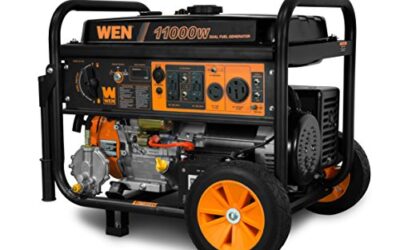
Westinghouse 12000 Peak Watt Dual Fuel Inverter Generator
Proof that inverters are no longer just small units, this 12,000-watt dual-fuel model delivers low-THD power safe for electronics at whole-home scale, with remote start and transfer-switch readiness. It is the pick for those who refuse to compromise between clean power and serious output.
Oxseryn 4400 Watt Inverter Generator (Value Inverter)
The Oxseryn 4400W open-frame inverter demonstrates the value end of the inverter market, offering clean power, low noise, an eco mode, and RV readiness at a budget-friendly price. It is a smart middle-ground choice for buyers who want inverter benefits without a premium-brand price tag.
WEN 6800-Watt Dual Fuel Inverter Generator (DF680iX)
The DF680iX blends high output with inverter refinement and dual-fuel flexibility, including a CO watchdog and electric-vehicle backup capability. It illustrates how modern inverters combine the clean power and quiet of the technology with the wattage and versatility once reserved for conventional units.
Frequently Asked Questions
Is an inverter generator worth the extra money?
If you plan to power sensitive electronics, value quiet operation, or want better fuel efficiency, yes. The clean sine wave output protects laptops, phones, and appliance boards. For running only basic tools and simple appliances, a cheaper conventional unit may be all you need.
Can a conventional generator damage electronics?
It can. The higher total harmonic distortion of conventional power may cause sensitive electronics to malfunction or, over time, degrade. Using a surge protector helps, but for critical devices an inverter generator is the safer choice.
Why are inverter generators quieter?
Inverters adjust engine speed to match the electrical load rather than running at a constant high RPM. Under light loads the engine idles down, dramatically reducing noise, which is why inverters are the campground and neighborhood-friendly option.
Do inverter generators produce less power?
Not inherently. Early inverters were small, but modern units scale to 12,000 watts and beyond, as the Westinghouse dual-fuel inverter shows. The trade-off is cost: you pay more per watt for the clean power and quiet an inverter provides.
Final Thoughts
The choice comes down to what you power and what you value. If clean power for electronics, quiet operation, and fuel efficiency matter, an inverter generator like the Honda EU2200i or the scalable Westinghouse models is worth the premium. If you need maximum watts per dollar for tools and basic appliances, a conventional unit still makes sense. Match the technology to your loads, and you will never overpay for refinement you do not need or regret buying power that is too dirty for your gear.
Top picks from this guide
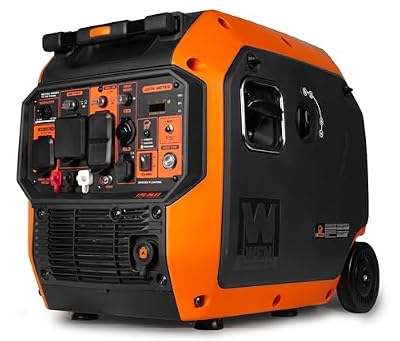 WENWEN 6800-Watt Dual Fuel RV-Ready Electric Start Portable Inverter Generator…$798 \xc2\xb7 99/100
 WestinghouseWestinghouse 5000 Peak Watt Super Quiet Portable Inverter Generator, Remote…$849 \xc2\xb7 99/100
 HondaHonda EU2200i 2200 Watt Inverter Generator (EU2200ITAN)$1,199 \xc2\xb7 98/100
 OxserynOxseryn Power Equipment 4400 Watts Inverter Generator Gas Powered, Portable…$262 \xc2\xb7 98/100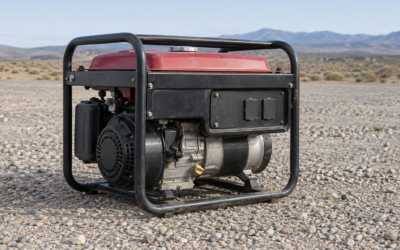
Write Your Review
No reviews yet. Be the first to share your experience!