
Our Short List of 3
All 3 Picks at a Glance
| Product | Specs | Action |
|---|---|---|
 Bosch 66824 GDI High Pressure Fuel Pump | Check price on Amazon | |
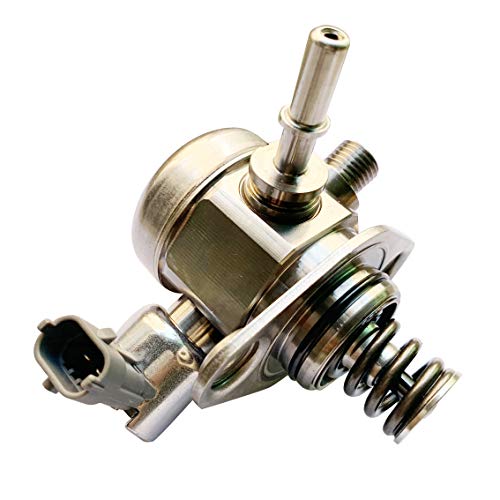 ZDTOPA High Pressure Fuel Pump 35320-2G720 | Check price on Amazon | |
 TRQ High Pressure Fuel Pump FPA63063 | Check price on Amazon |
🛒 Best Price Today on Amazon
Prime members get fast, free shipping on everything above, plus member-only deals. New members get a 30-day free trial — cancel anytime.
A gasoline direct injection engine depends on one small, cam-driven component to do work that a conventional port injection system never asks for. The in-tank pump supplies fuel at modest pressure, and then the high pressure fuel pump mounted on the engine raises that pressure far higher so the injectors can spray fuel directly into the combustion chamber. When that pump weakens, the symptoms rarely point straight at it: long cranking, hesitation under load, a loss of power at highway speed, and fault codes for low fuel rail pressure can all appear while the in-tank pump still sounds healthy.
Choosing a replacement is therefore less about finding a universal upgrade and more about matching the exact pump to the exact engine. Fitment, the original equipment part number, the electrical connector, and the mounting pattern all have to line up, because a pump built for one GDI family will not bolt onto another. This guide explains how to choose, then covers four verified direct injection high pressure fuel pumps for different vehicle families, each with its listed specifications, replacement numbers, and the drivers it suits best.
As an Amazon Associate, we earn from qualifying purchases.
How to Choose a Direct Injection High Pressure Fuel Pump
Start with fitment, and treat it as non-negotiable. Confirm the year, make, model, engine size, and trim, then cross-check the original equipment number from the old pump or a dealer parts listing against the replacement numbers the new pump claims to replace. A single digit difference in that number can mean a different connector, a different cam follower interface, or a different pressure control strategy, so a close match is not a match.
Next, consider who made the pump. Original equipment suppliers such as Bosch built many GDI systems from the factory, and a pump from the original supplier is produced to the same design as the unit the vehicle left the factory with. Aftermarket brands can also be a sound choice when they publish clear replacement numbers, state the materials used, and back the part with a defined warranty period. What matters most is traceability: a named manufacturer, a real part number, and specifications that can be checked before ordering.
Look closely at construction and included components. Stainless steel and cast metal bodies resist corrosion from modern fuel blends, an integrated pressure limiter or regulator helps protect the rail from overpressure, and a pressure damper smooths the pulses that a cam-driven plunger creates. Check what is in the box as well. Some pumps ship as the pump alone, while others include seals or mounting hardware, and reusing a hardened old seal is a common cause of a leak after an otherwise correct installation.
Installation planning matters too. The high pressure side of a GDI system holds residual pressure even with the engine off, so the service procedure for the vehicle should be followed to relieve pressure before any line is opened. The high pressure fuel line on many models is treated as a single-use part once removed, and the cam follower or tappet that drives the pump should be inspected for wear at the same time, because a worn follower can damage a new pump quickly. Torque the mounting bolts evenly, prime the system, and check for leaks at idle before driving.
Finally, diagnose before replacing. A scan tool that can read live fuel rail pressure, compared against the desired pressure the engine computer is requesting, separates a weak high pressure pump from a tired in-tank pump, a clogged filter, or a faulty rail pressure sensor. Replacing the pump on a guess can leave the original fault untouched, so a short diagnosis saves both time and a second teardown.
Bosch 66824 GDI High Pressure Fuel Pump
Bosch is an original equipment supplier for gasoline direct injection systems, and the 66824 is its GDI high pressure pump for a specific group of Mercedes-Benz AMG and V8 models. For owners of those vehicles, the appeal is straightforward: a stainless steel pump body from the company whose injection hardware the engine was designed around, with a published manufacturer part number and a defined fitment list rather than a vague universal claim.
The listed fitment covers select Mercedes-Benz AMG GT 63 and AMG GT 63 S, C63 AMG and C63 AMG S, E63 AMG S, G550, G63 AMG, and GLC63 AMG and GLC63 AMG S models, plus the S63 AMG. That is a narrow list, and it should be treated as the boundary of this pump’s usefulness. If a vehicle is not on it, another pump in this guide or a different Bosch number will be the correct route. The pump uses a hose barb inlet connection and ships as the pump itself, so any seals the vehicle maker specifies for the job should be sourced alongside it.
Who It Suits
This pump suits Mercedes-Benz AMG and G-Class owners who want an original equipment supplier part and whose exact model appears on the fitment list. It is the strongest choice in this guide for provenance and materials. It does not suit owners of other brands, and it does not suit Mercedes models outside the listed applications, however similar the engines may appear.
ZDTOPA High Pressure Fuel Pump 35320-2G720
The ZDTOPA pump targets an earlier generation of Hyundai and Kia GDI models, replacing original equipment numbers 35320-2G720, 35320-2G730, and 35320-2G740. Its listing is unusually specific about construction and compatibility, describing a cast iron, vehicle-specific replacement engineered for the 2.0 liter and 2.4 liter engines in the named models from the first half of the last decade.
Fitment covers the Hyundai Sonata from 2011 to 2014, the Kia Sorento from 2011 to 2015, the Kia Optima from 2011 to 2015, and the Kia Sportage from 2011 to 2016. The listing describes the part as a direct original equipment replacement fit and states that the specification met is OE. For an older vehicle kept in daily service, that kind of plain, number-led listing is useful, because the buyer can compare the three replacement numbers directly against the number stamped on the failed pump before ordering.
Who It Suits
This pump suits owners of the listed 2011 to 2016 Hyundai and Kia models who have confirmed one of the three replacement numbers. Its cast iron construction and focused fitment make it a practical repair part for higher-mileage cars. It does not suit the later Hyundai and Kia models covered by the next pump, because that generation uses a different original equipment number.
KELOKE High Pressure Fuel Pump 35320-2GGA0
KELOKE covers the later Hyundai and Kia 2.4 liter GDI generation with a pump that replaces 35320-2GGA0 and the related numbers 35320-2E110, HM10051, GDP410, and 0261520201. That long interchange list is the main reason to consider it: a technician or owner holding any one of those numbers from a parts catalog, a dealer invoice, or the old pump can confirm the match without guesswork.
The fitment list is broad within its generation. On the Hyundai side it covers the Sonata from 2015 to 2019, the Santa Fe from 2019 to 2020, the Santa Fe Sport from 2017 to 2018, and the Tucson from 2018 to 2021, all with the 2.4 liter four-cylinder engine. On the Kia side it covers the Optima from 2016 to 2020, the Sorento from 2016 to 2020, and the Sportage from 2016 to 2021, again with the 2.4 liter engine. KELOKE states a warranty of one year of unlimited mileage after-sales service, which gives buyers a defined term to note at purchase.
Specs
| Specification | Detail |
|---|---|
| Brand | KELOKE |
| Replacement part numbers | 353202GGA0, 35320-2GGA0, 35320-2E110, HM10051, GDP410, 0261520201 |
| Engine | 2.4L four-cylinder |
| Compatible Hyundai vehicles | Sonata 2015-2019, Santa Fe 2019-2020, Santa Fe Sport 2017-2018, Tucson 2018-2021 |
| Compatible Kia vehicles | Optima 2016-2020, Sorento 2016-2020, Sportage 2016-2021 |
| Warranty | One year, unlimited mileage |
| ASIN | B0DPZYYC61 |
Who It Suits
This pump suits owners and independent shops working on the listed 2015 and later Hyundai and Kia 2.4 liter models, especially when the parts search began with one of the interchange numbers rather than a vehicle name. The stated warranty term adds clarity. It does not suit the 2.0 liter turbocharged versions of the same models or the earlier generation covered by the ZDTOPA pump above.
TRQ High Pressure Fuel Pump FPA63063
TRQ takes a different approach, publishing design changes aimed at service life alongside its fitment data. For its Ford and Lincoln high pressure pump, listed by 1A Auto as part FPA63063 under reference 1AFPU01930, TRQ describes an improved plunger, sleeve, and valve design for reduced wear, and upgraded materials using flame retardant plastics rated to withstand temperatures up to 210 degrees Celsius. The listing also states that the part meets or exceeds IEC standards and is UL certified.
Fitment spans nine Ford and Lincoln applications, including the Ford Edge 2.0 liter from 2015 to 2018, the Escape 2.0 liter from 2017 to 2019, the Explorer 2.3 liter from 2016 to 2019, the Focus 2.3 liter from 2016 to 2018, the Fusion 2.0 liter from 2017 to 2020 excluding Flex models, and the Mustang 2.3 liter from 2015 to 2021. The published interchange is the Ford number EJ7Z 9350-A. TRQ also publishes installation guidance for this pump family on the Ford Focus, which helps owners understand the job before committing, though the correct service procedure for the specific vehicle should always govern the work.
Who It Suits
This pump suits Ford and Lincoln owners in the listed applications who value published design and standards information and a clear single interchange number to check. It is a sensible pick for the EcoBoost four-cylinder cars and crossovers named in the fitment list. It does not suit Flex-fuel Fusion models, which the listing explicitly excludes, or any Ford engine outside the stated years and displacements.
FAQ
What are the signs of a failing high pressure fuel pump on a GDI engine?
Common signs include long cranking before the engine starts, hesitation or stumbling under acceleration, a loss of power at higher speed or under load, and a check engine light with codes pointing to low fuel rail pressure. Because the in-tank pump can still be working normally, a scan tool reading of actual rail pressure against desired rail pressure is the clearest way to confirm the high pressure pump is the weak point before replacing it.
Can a high pressure fuel pump from one vehicle brand fit another brand?
Generally no. These pumps are built for a specific engine family, with a mounting pattern, cam drive interface, electrical connector, and pressure control design matched to that application. Even pumps for the same brand can differ between engine generations, as the Hyundai and Kia pumps in this guide show. The reliable check is the original equipment part number, not the vehicle badge or a similar appearance.
Should the cam follower be replaced with a new high pressure fuel pump?
The follower or tappet should at least be inspected whenever the pump is removed, because it transfers the camshaft motion that drives the pump plunger. A worn, scored, or cupped follower can damage a new pump and can also signal camshaft wear that needs attention. Many service procedures treat the follower as a wear item, so replacing it during the same job is often the prudent course, following the vehicle maker’s guidance.
Is a high pressure fuel pump a job that can be done at home?
It depends on the vehicle and on the tools and information available. The pump itself is usually accessible on top of the engine, but the work involves relieving high fuel pressure safely, handling fuel lines that may be single-use parts, and torquing fasteners correctly to avoid leaks. Anyone without the model-specific service procedure, a way to read rail pressure after the repair, and confidence around pressurized fuel should leave the job to a professional shop.
Final Verdict
There is no single best direct injection high pressure fuel pump for every driver, because the right pump is the one built for the engine in the vehicle. For Mercedes-Benz AMG owners on its fitment list, the Bosch 66824 offers original equipment supplier provenance and a stainless steel body. Owners of earlier Hyundai and Kia GDI models should look to the ZDTOPA 35320-2G720 and its three clear replacement numbers, while the later 2.4 liter generation is covered by the KELOKE pump replacing 35320-2GGA0 with a stated one year unlimited mileage warranty. Ford EcoBoost owners in the listed applications get published design and standards detail from the TRQ FPA63063. In every case, confirm the original equipment number, inspect the cam follower, follow the pressure relief procedure, and verify rail pressure after installation, and the replacement should restore the starting, drivability, and power the engine had before the original pump faded.
Product and ASIN Reference
| Product name | ASIN |
|---|---|
| Bosch 66824 GDI High Pressure Fuel Pump | B07GKB6NWR |
| ZDTOPA High Pressure Fuel Pump 35320-2G720 | B07TWXRYQ4 |
| KELOKE High Pressure Fuel Pump 35320-2GGA0 | B0DPZYYC61 |
| TRQ High Pressure Fuel Pump FPA63063 | B0CN3HNZF6 |


Write Your Review
No reviews yet. Be the first to share your experience!