
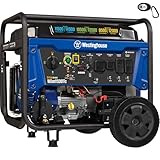
- Top Pick: Westinghouse 12500 Watt Dual Fuel Home Backup Portable Generator, Remote Electric Start, Transfer Switch Ready, Gas and Propane Powered
- Best Value: DuroStar DS13000MX 13,000-Watt 500cc Dual Fuel Portable Generator – Gas and Propane, Remote Electric Start, Whole Home Power Backup, Transfer Switch Ready, RV & Emergency Ready
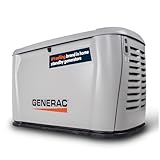
- Premium Choice: Generac 22kW Whole Home Generator, Transfer Switch & Cellular Capability
🛒 Best Price Today on Amazon
Prime members get fast, free shipping on everything above, plus member-only deals. New members get a 30-day free trial — cancel anytime.
Top Home Generators Picks Reviewed Picks for 2026
Here are our current top home generators picks reviewed picks, compared on real Amazon owner reviews, price, and features. Live prices update below.
As an Amazon Associate we earn from qualifying purchases at no extra cost to you.




Whether you face hurricane season, ice storms, or an aging grid, a home generator turns a multi-day blackout into a minor inconvenience. The 2026 market splits into portable units you wheel out when needed and standby systems that start themselves. This guide helps you decide which path, and which size, fits your house.
Recommended Products

Champion 4500-Watt Portable Open Frame Inverter Generator

Jackery Explorer 2000 Plus Portable Power Station, 2042Wh, 3000W AC Output

EF ECOFLOW Portable Power Station DELTA 2 Max 2048Wh, 2400W LiFePO4 Battery
As an Amazon Associate we earn from qualifying purchases. Product prices and availability are accurate as of the date/time indicated.
Portable, Inverter, or Standby: Three Paths to Backup
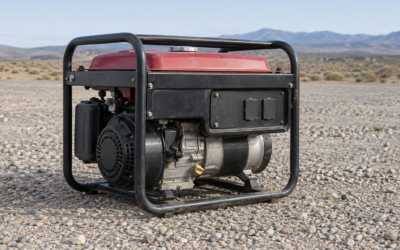
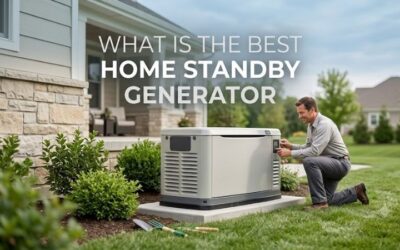
The portable open-frame generator is the entry point, delivering 5,000 to 9,000 watts you connect through a transfer switch when the lights go out. Inverter models trade some watts per dollar for dramatically quieter running and electronics-safe output. The standby generator is the full-service answer: permanently installed on a pad, fed by natural gas or propane, and wired to an automatic transfer switch so it starts within seconds of an outage whether you are home or not. Standby costs several times more once installation is counted, but it is the only option that protects a house full of frozen food and a basement sump while you are away on vacation.
The Sizing Walkthrough Most Buyers Skip
Add up what must run simultaneously, not everything you own. Essentials usually look like this: refrigerator around 700 starting watts, furnace blower 800 to 1,500, sump pump up to 2,000 at startup, well pump 2,000-plus, then lights, router, and chargers. A 7,500-running-watt portable comfortably covers that list with staggered starts. Central air conditioning changes everything, since a 3-ton unit can demand 7,000-plus starting watts on its own, pushing you toward a 14kW-or-larger standby or a soft-starter kit on the AC. Resist the temptation to buy the biggest machine available; an oversized generator running at 10 percent load wastes fuel and wears poorly.
Fuel Strategy Decides How Long You Last
Gasoline is everywhere until a regional outage closes the pumps, and it stales within months without stabilizer. Propane stores for decades, burns clean, and a pair of 100-pound cylinders can carry a frugal household through most of a week, which is why dual-fuel portables have become the 2026 default recommendation. Natural gas, available to standby units plumbed into the home line, removes refueling from the equation entirely, running for weeks if the gas grid stays up. Whatever you choose, calculate gallons-per-day at half load and stage a realistic reserve, because the most common backup failure is not the machine, it is an empty can on day three.
Safety and Maintenance: The Unglamorous Essentials
Every gasoline or propane generator must run outdoors, at least 20 feet from the structure, exhaust aimed away from openings, no exceptions for garages with the door open. Choose a model with a CO shutoff sensor and put battery CO alarms on every floor inside. Electrically, connect through a transfer switch or interlock installed by an electrician, never a backfed outlet. Then maintain the machine like the appliance it is: monthly 15-minute exercise runs, fresh oil per the manual, stabilized fuel or dry carburetors in storage, and a battery check for electric-start models. A generator that sat untouched for two years is a heavy paperweight on the night you need it.
Related guides on our site: Best Generator Transfer Switches in 2026: Top Picks Reviewed · Best Portable Power Stations for Home Backup in 2026: Top Picks Reviewed · Best Solar Panel Kits in 2026: Top Picks Reviewed · Best Jackery Solar Generators in 2026: Top Picks Reviewed · Best Portable Power Stations for Camping in 2026: Top Picks Reviewed.
Frequently Asked Questions
How much does a home standby generator cost installed?
Budget for the unit plus roughly an equal amount in installation, including the pad, gas plumbing, and automatic transfer switch. Most whole-home projects land in five figures total.
Will a 7,500-watt generator run my whole house?
It runs the essentials, fridge, furnace fan, sump, lights, and electronics, through a transfer switch. Central air and electric ranges generally need standby-class power.
How often should I run my generator when not in use?
Exercise it monthly for 15 to 20 minutes under light load. Regular runs keep seals lubricated, the battery charged, and reveal problems while repairs are still convenient.
Top picks from this guide
 GeneracGenerac 22kW Whole Home Generator, Transfer Switch & Cellular Capability$6,506 \xc2\xb7 99/100
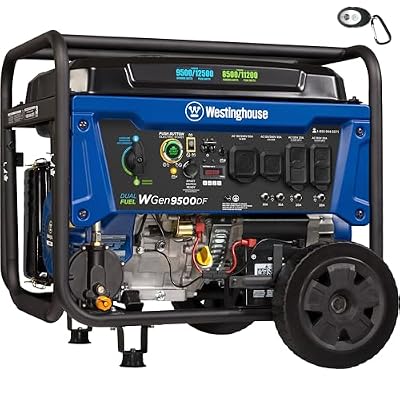 WestinghouseWestinghouse 12500 Watt Dual Fuel Home Backup Portable Generator, Remote…$999 \xc2\xb7 99/100
 OxserynOxseryn 4400-Watts Inverter Generator, Open Frame Generator Gas Powered, Emergency…$330 \xc2\xb7 99/100Champion Power EquipmentChampion 4500-Watt Portable Open Frame Inverter Generator$569 \xc2\xb7 98/100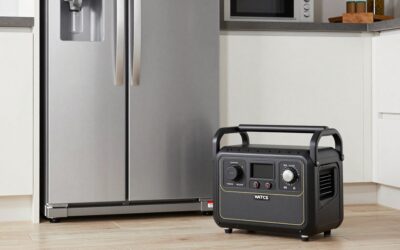




Write Your Review
No reviews yet. Be the first to share your experience!