
🛒 Best Price Today on Amazon
Prime members get fast, free shipping on everything above, plus member-only deals. New members get a 30-day free trial — cancel anytime.
- Decide These 3 Things First
- Fuel Type and Availability
- Size: Match Capacity and Physical Space
- Material: Tank and Frame Durability
- Construction: Connections, Venting, and Maintenance
- Comfort and Performance: Noise, Runtime, and Starting
- Price Tiers: What You Get for the Money
- Warranty, Delivery, and Assembly
- Spec Checklist
- Red Flags
- FAQ
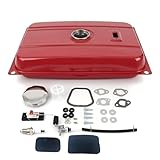
- Top Pick: JJing Universal 7 Gallon Generator Gas Fuel Tank Compatible with Honda EC6500 EM6500 EM5000S EB6500 Predator Champion Chicago ETQ HomeSite UST Wen 5000 5500 6500 7500 8750 9000 and More Generators
- Best Value: YGQ Generator Fuel Gas Level Gauge for Predator 8750 9000 Honda EB6500 EM6500SX Powermate Westinghouse 9500 Generac GP7000E Duromax 5300 5500 7500 8500 Generator
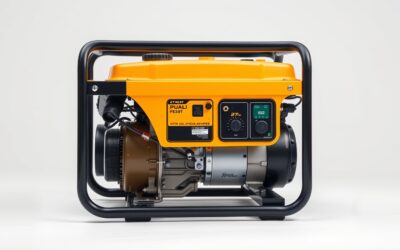
- Premium Choice: PowerSmart 3800 Watt Dual Fuel Inverter Generator for Camping or Home Use
Choosing a generator fuel type is less about picking the “best” fuel and more about matching fuel to your outage plans, storage space, climate, and electrical needs. Many buyers make the same mistakes: they compare only the advertised wattage, assume a dual-fuel model automatically runs twice as long, overlook fuel shelf life, or buy a replacement tank without checking fittings and dimensions.
Fuel also affects startup reliability, operating cost, noise, maintenance, and how long the generator can run unattended. A compact gasoline inverter may be ideal for camping, while a propane-capable model is often more practical for emergency home backup. Before comparing brands, use the guide below to narrow the decision.
As an Amazon Associate we earn from qualifying purchases at no extra cost to you.


Decide These 3 Things First
- What will you power? Add the running watts of essential items such as a refrigerator, furnace blower, sump pump, lights, router, and phone chargers. Then account for startup surges from motors. A refrigerator may use roughly 100 to 400 running watts but require 800 to 1,200 starting watts, while a sump pump can need 1,000 to 3,000 starting watts depending on size.
- How long must it run? A generator used for occasional camping may run for 4 to 8 hours at a time. Emergency backup can require 24 to 72 hours, with refueling and safe fuel storage becoming major considerations.
- Which fuel can you reliably get and store? Gasoline is widely available but degrades over time. Propane stores for much longer in an approved cylinder, but cold weather and tank size affect performance. Dual-fuel units offer flexibility, while natural gas and diesel are usually best suited to permanent installations or larger standby systems.
Fuel Type and Availability
Gasoline is the most common choice for portable generators from about 1,500 to 10,000 watts. It is easy to find and generally provides strong starting performance, but untreated gasoline can begin degrading in as little as 30 days. Use a suitable stabilizer, rotate stored fuel, and keep it only in approved containers. Gasoline must never be stored in a living space, basement, or attached garage.
Propane is cleaner-burning and can remain usable in a sealed cylinder for years. Common portable cylinders hold 20 pounds, while larger tanks may hold 100 pounds or more. A 20-pound cylinder contains roughly 4.7 gallons of propane by volume, although usable runtime depends on load, temperature, and generator efficiency. Propane can be harder to vaporize in very cold weather, especially with a high-wattage generator.
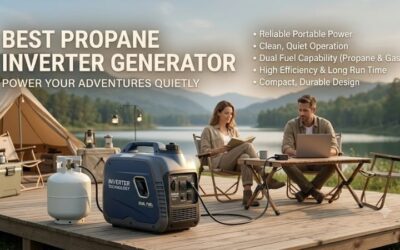
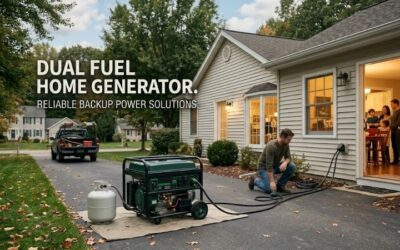
Dual-fuel generators run on gasoline or propane. They are useful when you want gasoline’s easy cold-weather starting and propane’s longer storage life. Check the wattage rating for each fuel: propane output may be lower, often by several hundred watts on a mid-size portable unit. A PowerSmart 3,800-watt dual-fuel inverter, for example, is the type of product to evaluate by its separate gasoline and propane ratings rather than by one headline number.
Natural gas is convenient if your home has an appropriate permanent connection, but it is generally associated with installed standby generators. Diesel offers strong fuel economy and durability for larger commercial or whole-home equipment, but diesel models tend to be heavier, louder, and more expensive than comparable portable gasoline units.
Size: Match Capacity and Physical Space
Choose capacity from your actual load, not the largest number on the box. A 2,000- to 3,000-watt generator can handle basics such as lights, electronics, a refrigerator, and small kitchen appliances, but usually not central air conditioning or electric water heating. A 3,500- to 5,000-watt model adds more flexibility for a refrigerator, freezer, sump pump, and several household circuits. Models from 7,000 to 10,000 watts may support larger starting loads, but they can weigh 150 to more than 250 pounds.
Also measure the storage location, path to the operating area, and fuel container space. Many portable generators are approximately 24 to 30 inches long, 18 to 22 inches wide, and 20 to 24 inches high, though frame-style models can be larger. Leave the manufacturer’s required clearance around the unit during operation; never operate one inside a home, shed, porch, or garage.
Fuel capacity affects size. A built-in tank may hold 3 to 8 gallons. An optional 5-gallon or 7-gallon extended-run tank can reduce refueling, but only if it is compatible with the generator’s fuel cap, vent, connector, and mounting arrangement.
Material: Tank and Frame Durability
Steel fuel tanks are common on conventional portable generators and can resist impact well, but exterior damage or neglected condensation may eventually lead to rust. Plastic tanks are lighter and do not rust, although they still need protection from punctures, heat, and prolonged ultraviolet exposure. Replacement tank products should list the tank material, dimensions, outlet location, cap style, and included hardware.
Frame material matters, too. Powder-coated steel frames are durable for frequent outdoor handling, while aluminum components reduce weight but may cost more. Look for wheels with a diameter of at least 8 inches on a generator that will travel across grass or gravel. Solid or semi-solid wheels avoid flat tires; pneumatic tires roll more smoothly but require maintenance.
A replacement tank is not universal simply because a listing says “fits many generators.” For example, a JJing 7-gallon tank may list compatibility with several Honda, Predator, Champion, and other models, while an FDJ 5-gallon tank may target smaller 2,000- to 3,000-watt generators. Verify your exact model number before buying.
Construction: Connections, Venting, and Maintenance
Good fuel-system construction includes a secure cap, a reliable shutoff, a vent that prevents dangerous pressure buildup, and fuel lines that are rated for the intended fuel. On gasoline models, inspect the tank seam, petcock, hose clamps, and carburetor access. On dual-fuel models, look for clearly labeled controls and a fuel selector that prevents accidental switching while the engine is running.
For an external tank, confirm the connector type and whether the kit includes a primer bulb, quick-connect fitting, fuel line, and mounting hardware. Some systems use gravity feed and require the tank to sit above the carburetor; others use a pump or specialized adapter. Do not improvise fittings or combine parts that are not specifically rated for generator fuel use.
Maintenance access is part of construction quality. An oil drain that can be reached without removing a frame panel, a replaceable air filter, and a visible fuel shutoff make routine service easier. Plan on checking oil before each extended run and following the manufacturer’s schedule for oil, filters, spark plugs, and fuel-system inspection.
Comfort and Performance: Noise, Runtime, and Starting
Inverter generators are usually the most comfortable choice near a campsite or home because they adjust engine speed to the load and produce cleaner power for sensitive electronics. Conventional open-frame generators often provide more wattage for the price but may be louder and heavier. A noise rating around 50 to 60 decibels at a stated distance is relatively quiet; ratings around 70 decibels or higher can be intrusive near living areas. Compare ratings at the same distance and load because test conditions vary.
Electric start is convenient, but it adds a battery that requires charging and eventual replacement. Recoil start remains valuable as a backup. Look for low-oil shutdown, overload protection, a fuel gauge, and a runtime display if you expect to monitor the generator overnight.
Do not judge runtime by tank size alone. A 4-gallon tank may run much longer at 25% load than at full output. Ask whether the stated runtime is measured at 25%, 50%, or another load, and whether the figure applies to gasoline, propane, or both. A fuel-level gauge can be a useful low-cost upgrade; gauges such as the YGQ model commonly sell for about $10, but compatibility with the tank opening and sender is essential.
Price Tiers: What You Get for the Money
Budget, about $300 to $600: Expect 2,000 to 4,000 watts, basic controls, and either gasoline or dual-fuel operation. A 3,800-watt dual-fuel inverter priced around $423 fits this general category. Budget replacement tanks may cost $50 to $80, while simple gauges can cost about $10.
Midrange, about $600 to $1,500: You may get quieter inverter operation, electric start, improved displays, larger tanks, better wheels, and more dependable fit and finish. This tier is often the best balance for occasional home backup.
Premium, $1,500 and up: Expect higher output, robust frames, advanced monitoring, longer warranties, and equipment designed for frequent or whole-home use. Permanently installed standby systems can cost several thousand dollars before installation, transfer equipment, permits, and fuel-line work.
Warranty, Delivery, and Assembly
A one-year limited warranty is common on budget portable generators; two to three years is more reassuring for a midrange purchase. Read whether coverage differs for residential and commercial use. The warranty may exclude damage caused by stale fuel, improper storage, unauthorized modifications, or incorrect installation.
Check the delivered weight before ordering. A 100-pound generator may require two adults to move, while larger units may arrive by freight and need a liftgate. Some products ship fully assembled except for wheels and handles; others require oil, battery connection, fuel-line installation, or control-panel assembly. Never start a new generator until the manual’s oil and fuel procedures are complete.
Spec Checklist
| Spec | Budget | Mid | Premium |
|---|---|---|---|
| Output | 2,000–4,000 watts | 4,000–7,000 watts | 7,000–12,000+ watts |
| Fuel | Gasoline or dual fuel | Dual fuel or gasoline | Dual fuel, natural gas, or diesel |
| Tank capacity | 2.5–4 gallons | 4–8 gallons | 8+ gallons or permanent supply |
| Typical weight | 45–100 pounds | 90–180 pounds | 150–300+ pounds |
| Useful features | Low-oil shutdown, overload protection | Electric start, wheels, fuel gauge | Transfer switch compatibility, monitoring, extended warranty |
| Typical price | $300–$600 | $600–$1,500 | $1,500–$5,000+ |
Red Flags
- A wattage rating that does not separate running watts from starting watts.
- Runtime claims without a stated load, fuel, or testing condition.
- “Universal” replacement tanks with no dimensions, connector details, or model list.
- Missing low-oil shutdown, overload protection, or carbon-monoxide safety information.
- Fuel lines, caps, or adapters that are not identified as fuel-rated.
- A warranty that excludes ordinary residential use or requires hard-to-find service parts.
- Instructions that do not clearly explain outdoor placement, grounding, refueling, and storage.
FAQ
Is gasoline or propane better for a home generator?
Gasoline usually offers easy availability and strong starting performance. Propane is easier to store for long periods and can be more convenient during extended outages. A dual-fuel model is the most flexible option if you can store both fuels safely.
How much propane does a generator use?
Consumption varies by engine size and electrical load. A portable generator may use roughly 0.5 to 2 gallons of propane per hour, but the manufacturer’s fuel-consumption chart is the best source. A 20-pound cylinder may last only several hours under a heavy load and substantially longer at a light load.
Can I add a larger fuel tank to any generator?
No. The tank, vent, fuel line, fittings, and mounting position must match the generator. Use a kit specifically listed for your model or have a qualified technician confirm compatibility. Never modify a fuel system with unapproved parts.
What is the best fuel type for occasional outages?
For occasional outages, dual fuel is often the most practical choice: propane can remain stored and gasoline can be used when maximum output or easier cold-weather starting matters. If you only need a small amount of power for electronics and a refrigerator, a gasoline or dual-fuel inverter in the 2,000- to 4,000-watt range is a sensible starting point.




Write Your Review
No reviews yet. Be the first to share your experience!