
⚡ Key Takeaways
- Runtime by Fuel Type
- Why Gasoline Generators Have the Shortest Runtime
- The Real Limit: Engine Maintenance, Not Just Fuel
- How Load Affects Runtime
- Inverter Generators Run Longer Under Light Loads
- How to Safely Extend Runtime
- Standby Generators: Built for the Long Haul
- Calculating Your Real Runtime
- Dual-Fuel and Tri-Fuel Options
- Carbon Monoxide Doesn’t Take Breaks
- Top-Rated Picks
- Related Guides
- Frequently Asked Questions
- The Bottom Line
- Related Articles
- Fuel is the biggest factor in how long a generator can run continuously.
- A portable gasoline generator is limited by its small tank — usually 4 to 8 gallons.
- Even with an unlimited fuel supply, no engine should run forever.
- The heavier you load a generator, the faster it burns fuel.
During a long outage, the question on everyone’s mind is simple: how long can a generator run before you have to shut it down? The honest answer is “it depends” — on the fuel type, the size of the tank, how heavily you’re loading it, and whether the engine needs a rest for oil and cooling. A portable gas generator might give you 8 to 12 hours on a tank, while a propane-fed or natural-gas standby unit can run for days or even weeks. This guide explains the real limits, why they exist, and how to safely extend your runtime.
As an Amazon Associate we earn from qualifying purchases at no extra cost to you.


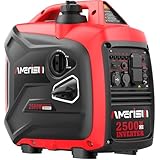


Related: best quiet portable generators.
🛒 Best Price Today on Amazon
Prime members get fast, free shipping on everything above, plus member-only deals. New members get a 30-day free trial — cancel anytime.
Runtime by Fuel Type
Fuel is the biggest factor in how long a generator can run continuously. Here’s how the common options compare.
| Fuel Type | Typical Continuous Runtime | Main Limit |
|---|---|---|
| Gasoline (portable) | 8–12 hours per tank | Tank size, fuel stability |
| Propane (portable, large tank) | 1–7 days | Tank capacity, engine maintenance |
| Diesel (large portable) | 12–24+ hours per tank | Tank size, oil changes |
| Natural gas (standby) | Continuous (weeks) | Engine maintenance, oil |
| Propane (standby, 500 gal) | 1–3 weeks | Tank capacity |
Why Gasoline Generators Have the Shortest Runtime
A portable gasoline generator is limited by its small tank — usually 4 to 8 gallons. At 50% load, most burn about half a gallon per hour, which works out to roughly 8 to 12 hours. To keep running you must refuel, and that introduces a hard safety rule: always shut off and let the engine cool before refueling. Pouring gasoline near a hot engine or sparking exhaust can cause a fire or explosion. This stop-cool-refuel cycle is why gas generators can’t truly run “continuously.”
Gasoline also degrades. Stored fuel can go stale in a few months, gumming up the carburetor. For long outages, propane and diesel are more practical because they store far longer and let you swap tanks without shutting down a hot engine the same way.
The Real Limit: Engine Maintenance, Not Just Fuel
Even with an unlimited fuel supply, no engine should run forever. The true ceiling on continuous operation is oil and heat. Engine oil breaks down and its level drops over many hours of running. Most manufacturers specify an oil change interval — often every 50 to 200 running hours depending on the model — and running past it risks serious engine damage.
Air-cooled engines (most portables and many standby units) also build up heat over long stretches. They’re designed for extended use but benefit from periodic cool-down. Liquid-cooled standby generators handle truly continuous operation best, which is why they’re built for days-long outages.
How Load Affects Runtime
The heavier you load a generator, the faster it burns fuel. Running near full capacity can cut your runtime nearly in half compared to a light load, and it generates more heat and wear. There’s a sweet spot: most generators are most efficient and run longest at 25–75% of rated capacity. Overloading not only shortens runtime, it can trip breakers and damage the unit.
- Light load (25%): Longest runtime, lowest fuel burn, least wear.
- Moderate load (50%): The usual rated runtime figure manufacturers advertise.
- Heavy load (75–100%): Shortest runtime, most heat and stress — avoid sustained operation here.
Inverter Generators Run Longer Under Light Loads
Because inverter generators throttle their engine to match demand, they sip fuel when you’re only running a few small items. On a light load, an inverter can dramatically outlast a conventional generator of similar tank size. If long unattended runtime is your priority, this efficiency is a major reason to consider an inverter or a battery-based system. Our guide to portable power stations and solar generators covers silent, fuel-free options that can run essentials around the clock when paired with solar.
How to Safely Extend Runtime
- Choose the right fuel. For multi-day needs, propane, diesel, or natural gas beat gasoline for both storage and uninterrupted running.
- Run at moderate load. Keep peak draw around 50% to balance runtime, efficiency, and engine life.
- Keep oil topped off and change it on schedule. For very long outages, plan oil changes during brief planned shutdowns. A generator maintenance kit keeps oil, filters, and spark plugs on hand.
- Refuel safely. Always stop the engine and let it cool for a few minutes before adding gasoline.
- Give air-cooled engines occasional rest. A short cool-down every 24 hours of running reduces heat stress on portables.
- Use a larger or auxiliary tank. Extended-runtime fuel tanks and tri-fuel conversions let some portables run far longer between fill-ups.
Standby Generators: Built for the Long Haul
Permanently installed standby generators connected to a natural gas line can theoretically run for weeks, since the fuel supply is effectively unlimited. Their practical limit is scheduled maintenance — oil, filters, and cooling. These are the right tool when you need power that simply doesn’t stop, but they cost far more to install than a portable.
Calculating Your Real Runtime
You can estimate runtime before you buy. Take the generator’s tank capacity in gallons and divide by its fuel consumption rate at the load you expect. Many manufacturers publish consumption at 25%, 50%, and 100% load. For example, a generator that holds 6 gallons and burns 0.5 gallons per hour at 50% load will run about 12 hours. The same unit at full load might burn 0.9 gallons per hour, dropping runtime to under 7 hours. This is why advertised runtime figures, usually given at 25% or 50% load, can be optimistic if you plan to run heavy loads. Run the numbers for your actual expected draw, not the best-case figure on the box.
Dual-Fuel and Tri-Fuel Options
If long runtime matters to you, a dual-fuel generator that runs on both gasoline and propane is worth considering. Propane stores indefinitely without going stale, so you can keep several full tanks on hand and swap them as needed for effectively unlimited running across a long outage. The trade-off is that generators produce slightly less power on propane than gasoline. Tri-fuel models add natural gas, letting a portable tie into a home gas line for the closest thing to standby-style continuous runtime in a movable unit. These flexible-fuel options are a smart middle path for owners who want both portability and the staying power for multi-day outages.
Carbon Monoxide Doesn’t Take Breaks
The longer a generator runs, the longer it’s emitting carbon monoxide. Never run a generator indoors, in a garage, or near windows and vents, even briefly. Keep it at least 20 feet from the house with exhaust pointed away, and use CO alarms inside. The risk isn’t reduced by the generator running smoothly — it’s constant for as long as the engine is on.
Top-Rated Picks

Prime
Best Seller
Westinghouse 12500 Watt Dual Fuel Home Backup Portable Generator, Remote Electric Start, Transfer Switch Ready, Gas and Propane Powered

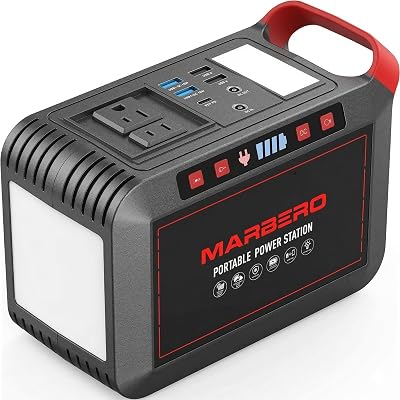
| Product | Brand | Rating | Reviews | Price |
|---|---|---|---|---|
| Westinghouse 12500 Watt Dual Fuel Home Backup Portabl… | — | ★ 4.7 | 10.8k | under $1,000 |
| Jackery Explorer 500 v2 Portable Power Station and 16… | — | ★ 4.7 | 8.8k | under $350 |
| Jackery Explorer 1000 v2 Portable Power Station,1070W… | — | ★ 4.7 | 3.3k | under $450 |
| Portable Power Station 300W MARBERO 237Wh Camping Sol… | MARBERO | ★ 4.2 | 8.7k | under $150 |
| MARBERO Solar Generator 111Wh Portable Power Station … | MARBERO | ★ 4.2 | 8.7k | under $150 |
Frequently Asked Questions
Can you run a generator 24 hours a day?
Many generators can run continuously for 24 hours or more, especially propane and standby units. The limits are fuel supply, oil level, and engine cooling. For air-cooled portables, a brief cool-down each day and on-schedule oil changes are wise during extended use.
How long can a generator run without being turned off?
A gasoline portable typically runs 8–12 hours per tank. Propane and diesel units can go a day or more, and natural-gas standby generators can run for weeks, limited mainly by maintenance intervals rather than fuel.
Is it bad to run a generator continuously?
Running continuously is fine within the engine’s design limits, but you must keep oil topped off, change it on schedule, and avoid sustained full-load operation. Overloading and skipped maintenance are what cause damage, not continuous running itself.
How often should you give a generator a rest?
Liquid-cooled standby units need little rest beyond maintenance. For air-cooled portables, a short cool-down every 24 hours and a refueling stop every 8–12 hours (when the engine is off and cool) are good practice.
What uses fuel faster, a light or heavy load?
A heavy load burns fuel much faster — running near full capacity can roughly halve your runtime compared to a light load, while also producing more heat and wear.
The Bottom Line
How long a generator can run comes down to fuel, load, and maintenance. Gasoline portables give you 8–12 hours per tank and require safe, cool-engine refueling. Propane and diesel extend that to a day or more, and standby units on natural gas can run for weeks. Keep the load moderate, the oil fresh, and the exhaust safely outdoors, and you can keep the power flowing for as long as you need it.
Top picks from this guide
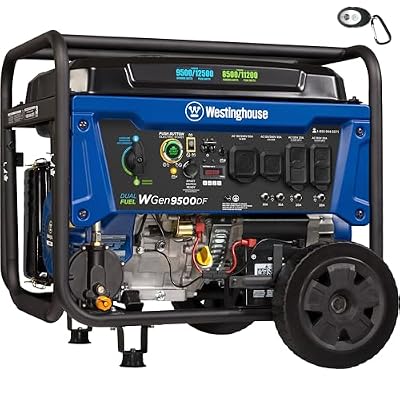 WestinghouseWestinghouse 12500 Watt Dual Fuel Home Backup Portable Generator, Remote…$999 \xc2\xb7 99/100
 MARBEROPortable Power Station 300W MARBERO 237Wh Camping Solar Generator Backup…$123 \xc2\xb7 99/100
 JackeryJackery Explorer 500 v2 Power Station, 512Wh/500W, AC Cable Included…$359 \xc2\xb7 97/100
 MARBEROMARBERO 111Wh Solar Generator with Panels Included Solar Panel Kit…$95 \xc2\xb7 96/100








Write Your Review
No reviews yet. Be the first to share your experience!