
⚡ Key Takeaways
- The Big Picture: Total Installed Cost
- How Generator Size Drives Price
- Fuel Type and Its Cost Impact
- What Drives Your Total Up or Down
- Portable Alternative: A Fraction of the Cost
- Ongoing Costs to Budget For
- Whole-Home vs. Managed Power Systems
- Getting Accurate Quotes
- Is a Whole-House Generator Worth It?
- Ways to Reduce the Total Cost
- Top-Rated Picks
- Related Guides
- Frequently Asked Questions
- The Bottom Line
- Related Articles
- Related Guides
- A whole-house standby generator is a permanent installation, so the equipment price is only the starting point.
- Standby generators are sized in kilowatts (kW).
- Standby generators run on natural gas or propane, and your choice affects both upfront and ongoing cost.
- Two homes can pay very different amounts for the same generator.
If you’re tired of scrambling with extension cords every time the power goes out, you’ve probably wondered about the real whole house generator cost. The short answer: most homeowners spend between $5,000 and $18,000 fully installed, with the generator itself making up only part of the total. The rest goes to the transfer switch, gas line, electrical work, concrete pad, and permits. This guide breaks down every cost component, shows how size affects price, and helps you decide whether a standby system is worth it for your home.
As an Amazon Associate we earn from qualifying purchases at no extra cost to you.




Related: best quiet portable generators.
🛒 Best Price Today on Amazon
Prime members get fast, free shipping on everything above, plus member-only deals. New members get a 30-day free trial — cancel anytime.
The Big Picture: Total Installed Cost
A whole-house standby generator is a permanent installation, so the equipment price is only the starting point. Here’s how a typical project breaks down.
| Cost Component | Typical Range |
|---|---|
| Generator unit (10–24 kW) | $3,000–$8,000 |
| Automatic transfer switch | $400–$1,200 |
| Installation labor | $1,500–$5,000 |
| Gas line / fuel hookup | $500–$2,500 |
| Concrete or composite pad | $200–$800 |
| Permits and inspection | $100–$500 |
| Total installed | $5,000–$18,000 |
How Generator Size Drives Price
Standby generators are sized in kilowatts (kW). The bigger your home and the more you want to run at once, the larger and pricier the unit. Here’s a rough guide.
| Size | Covers | Unit Price |
|---|---|---|
| 10–14 kW | Essentials: fridge, furnace, well pump, key circuits | $3,000–$4,500 |
| 16–20 kW | Most of an average home including AC | $4,000–$6,000 |
| 22–24 kW | Large home, central air, electric appliances | $5,500–$8,000 |
| 26 kW+ | Very large homes, multiple AC units | $8,000+ |
Not sure which size you need? Our guide on whole-panel power management and a careful wattage tally will tell you whether a 16 kW or 22 kW unit is right.
Fuel Type and Its Cost Impact
Standby generators run on natural gas or propane, and your choice affects both upfront and ongoing cost.
- Natural gas: If you already have a gas line, hookup is cheaper and the fuel supply is effectively unlimited, so the generator can run for days. Running a new line a long distance adds cost.
- Propane: Requires a tank (often 250–500 gallons), which adds installation and refill expense, but it’s the only option for homes without natural gas. A full 500-gallon tank can power a home for one to three weeks.
What Drives Your Total Up or Down
Two homes can pay very different amounts for the same generator. The variables that matter most:
- Distance from gas meter and electrical panel. Longer trenching and conduit runs mean more labor and materials.
- Panel upgrades. An older or full electrical panel may need upgrading to accommodate the automatic transfer switch, adding $1,000–$3,000.
- Site prep. Sloped, rocky, or hard-to-access yards increase labor for the pad and placement.
- Whole-home vs. managed. A true whole-home system that powers everything costs more than a “managed” setup that sheds non-essential loads to use a smaller, cheaper generator.
- Local permit and code requirements. Some jurisdictions require setback distances, sound barriers, or additional inspections.
Portable Alternative: A Fraction of the Cost
If $10,000 is out of reach, a portable generator paired with a transfer switch or interlock kit covers your essentials for a small fraction of the price — often $800 to $2,500 all-in. You give up automatic operation and have to refuel manually, but for occasional short outages it’s a sensible compromise. See our interlock kit comparison and extension cord guide for budget setups, or consider a battery-based solar battery backup system for silent, fuel-free power.
Ongoing Costs to Budget For
The purchase isn’t the end of the spending. Plan for:
- Fuel: Natural gas is metered like your home use; propane is bought by the tank.
- Maintenance: Annual service runs $150–$400, plus oil, filters, and spark plugs. A maintenance kit reduces this.
- Exercise cycles: Standby units self-test weekly, using a small amount of fuel.
- Extended warranties: Optional, but worth considering on a major investment.
Whole-Home vs. Managed Power Systems
You don’t always have to buy a generator big enough to run every circuit. A “managed” or load-shedding system uses a smaller, cheaper generator paired with a smart transfer switch that automatically prioritizes circuits. When you turn on the electric oven, for example, it temporarily drops the air conditioner so the generator is never overwhelmed. This approach can let a 14 kW unit comfortably serve a home that would otherwise need a 22 kW generator, saving thousands on both the unit and the fuel. For homeowners who can tolerate the system juggling loads behind the scenes, it’s one of the best ways to cut the total cost without giving up automatic operation.
Getting Accurate Quotes
Because installation variables swing the price so widely, never buy a standby generator on the unit price alone. Get at least three quotes from licensed installers, and make sure each one includes the same scope: the generator, automatic transfer switch, gas-line work, concrete pad, electrical labor, permits, and inspection. Ask whether the quote assumes your existing panel is adequate or includes an upgrade. A quote that looks cheap often excludes the gas hookup or panel work that the others bundle in. Confirm the sizing too — an installer pushing the biggest unit may simply be padding the bill, while one quoting too small leaves you short during the next outage.
Is a Whole-House Generator Worth It?
The value depends on how often and how long your power goes out, and what an outage costs you. It makes the most sense if you live where outages are frequent or long, rely on a well pump or sump pump, work from home, store medication that needs refrigeration, or depend on medical equipment. A standby generator can also raise home resale value and may lower insurance in some areas. For someone who loses power once a year for a few hours, a portable is the smarter spend. Weigh the realistic cost of the outages you actually experience — spoiled food, frozen pipes, lost work, hotel stays — against the installed price, and the math becomes clear for your situation.
Ways to Reduce the Total Cost
If a full whole-house system stretches your budget, several strategies bring the price down without leaving you in the dark. Choosing a smaller, load-managed generator instead of one sized for every circuit can save thousands on both the unit and installation. Placing the generator close to your gas meter and electrical panel shortens the expensive trenching and conduit runs. Bundling the work when you already have an electrician on site for other projects can trim labor. And timing your purchase for the off-season, away from the spike in demand that follows major storms, sometimes earns better pricing and faster scheduling from installers eager for work.
Top-Rated Picks

Prime
Best Seller
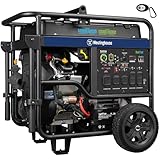
Westinghouse 12500 Watt Dual Fuel Home Backup Portable Generator, Remote Electric Start, Transfer Switch Ready, Gas and Propane Powered


| Product | Brand | Rating | Reviews | Price |
|---|---|---|---|---|
| Westinghouse 12500 Watt Dual Fuel Home Backup Portabl… | — | ★ 4.7 | 10.8k | under $1,000 |
| Jackery Explorer 500 v2 Portable Power Station and 16… | — | ★ 4.7 | 8.8k | under $350 |
| Jackery Explorer 1000 v2 Portable Power Station,1070W… | — | ★ 4.7 | 3.3k | under $450 |
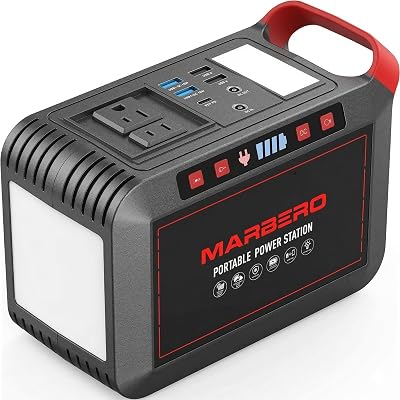
| Portable Power Station 300W MARBERO 237Wh Camping Sol… | MARBERO | ★ 4.2 | 8.7k | under $150 |
| MARBERO Solar Generator 111Wh Portable Power Station … | MARBERO | ★ 4.2 | 8.7k | under $150 |
Frequently Asked Questions
How much does a whole-house generator cost installed?
Most homeowners pay between $5,000 and $18,000 fully installed, including the generator, transfer switch, fuel hookup, pad, electrical labor, and permits. The unit alone runs $3,000–$8,000 depending on size.
What size whole-house generator do I need?
A 16–20 kW unit covers most average homes including central air. Smaller homes or essentials-only setups can use 10–14 kW, while large homes with multiple AC units may need 22–26 kW or more.
Is natural gas or propane cheaper for a standby generator?
Natural gas is usually cheaper to operate and offers unlimited supply if you already have a line. Propane requires a tank and refills but is the only choice for homes without natural gas service.
How much does it cost to run a whole-house generator?
Fuel cost depends on size and load. A mid-size unit might use $20–$40 of natural gas per day under typical outage load, with propane costing somewhat more. Add roughly $150–$400 a year for maintenance.
Can I install a whole-house generator myself?
No. Standby generators require gas-line and main-panel electrical work that legally requires licensed professionals and a permitted, inspected installation in nearly all jurisdictions.
The Bottom Line
A whole-house generator typically costs $5,000 to $18,000 installed, driven mostly by the unit’s size, your fuel type, and how far the gas and electrical runs are. It’s a significant investment that pays off most for homeowners facing frequent or lengthy outages. If that’s not you, a portable generator with a transfer switch delivers the essentials for a fraction of the cost. Either way, get multiple quotes and size the system to your actual loads, not the biggest unit on the shelf.
Top picks from this guide
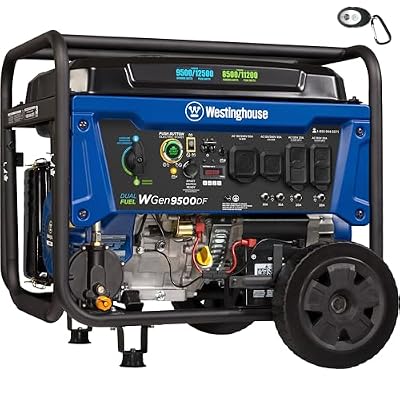 WestinghouseWestinghouse 12500 Watt Dual Fuel Home Backup Portable Generator, Remote…$999 \xc2\xb7 99/100
 MARBEROPortable Power Station 300W MARBERO 237Wh Camping Solar Generator Backup…$123 \xc2\xb7 99/100
 JackeryJackery Explorer 500 v2 Power Station, 512Wh/500W, AC Cable Included…$359 \xc2\xb7 97/100
 WENWEN DF450i Super Quiet 4500-Watt Dual RV-Ready Portable Inverter Generator…$700 \xc2\xb7 96/100








Write Your Review
No reviews yet. Be the first to share your experience!