
⚡ Key Takeaways
- The Three Safe Connection Methods
- Method 1: Extension Cords (Simplest)
- Method 2: Interlock Kit (Best Value)
- Method 3: Transfer Switch (Most Foolproof)
- Step-by-Step: Safe Portable Generator Connection
- The Cardinal Rule: Never Backfeed
- Carbon Monoxide: The Silent Threat
- Choosing the Right Inlet Box and Cord
- Planning the Installation
- Operating Sequence and Load Management
- Grounding and Permits
- Related Guides
- Frequently Asked Questions
- The Bottom Line
- Related Articles

Prime
Best Seller
Westinghouse 12500 Watt Dual Fuel Home Backup Portable Generator, Remote Electric Start, Transfer Switch Ready, Gas and Propane Powered


- For a small portable generator and a handful of appliances, heavy-gauge outdoor extension cords are the easiest and safest option.
- An interlock kit is a sliding metal plate installed on your main electrical panel.
- A manual transfer switch is a small sub-panel installed next to your main panel.
- Backfeeding means plugging a generator into a regular wall outlet to energize your home's wiring through a "suicide cord" with male plugs on both ends.
Learning how to connect generator to house wiring safely is the difference between a convenient backup power setup and a deadly mistake. Done correctly, a generator can keep your furnace, refrigerator, and lights running through a multi-day outage with the flip of a switch. Done wrong, it can electrocute a utility lineman, start a fire, or poison your family with carbon monoxide. This guide explains the three legitimate connection methods, walks through the safe setup process step by step, and spells out the rules you must never break.
As an Amazon Associate we earn from qualifying purchases at no extra cost to you.


Related: best quiet portable generators.
🛒 Best Price Today on Amazon
Prime members get fast, free shipping on everything above, plus member-only deals. New members get a 30-day free trial — cancel anytime.
The Three Safe Connection Methods
There are exactly three approved ways to power your home’s circuits from a generator. Each isolates the generator from the utility grid so power can never flow backward onto the lines.
| Method | Best For | Cost Range | Permanent? |
|---|---|---|---|
| Heavy-duty extension cords | A few appliances, small generators | $30–$100 | No |
| Interlock kit on main panel | Whole-panel access, budget-conscious | $150–$500 installed | Yes |
| Manual transfer switch | Clean, code-simple selected circuits | $400–$900 installed | Yes |
| Automatic transfer switch | Standby generators, hands-off | $1,000+ installed | Yes |
Method 1: Extension Cords (Simplest)
For a small portable generator and a handful of appliances, heavy-gauge outdoor extension cords are the easiest and safest option. You run cords directly from the generator’s outlets to each device — no electrician, no panel work, no risk of backfeed.
The catch is gauge and length. A long, thin cord causes a voltage drop that can damage motors. For runs up to 100 feet powering several appliances, use a 10-gauge cord rated for the load. Our guide to generator extension cords breaks down exactly which gauge to choose for your wattage and distance.
Method 2: Interlock Kit (Best Value)
An interlock kit is a sliding metal plate installed on your main electrical panel. It physically prevents the main breaker and the generator breaker from being on at the same time, which makes backfeed impossible. You feed power into the panel through an inlet box mounted on your home’s exterior, then manage which circuits draw power by switching breakers on and off.
This gives you access to your whole panel at a fraction of the cost of a transfer switch, which is why it’s a favorite among experienced homeowners. It must be a kit listed for your specific panel brand and installed to code — see our interlock kit comparison for compatible options.
Method 3: Transfer Switch (Most Foolproof)
A manual transfer switch is a small sub-panel installed next to your main panel. It controls a fixed set of circuits — typically 6 to 10 — that you pre-select, like the furnace, fridge, well pump, and key lights. During an outage you flip each circuit from “Line” to “Generator.” Because the switch mechanically isolates those circuits from the grid, it’s the most idiot-proof method and the one most jurisdictions prefer.
An automatic transfer switch (ATS) does the same job without you lifting a finger and is standard with permanently installed standby generators.
Step-by-Step: Safe Portable Generator Connection
- Place the generator outdoors, at least 20 feet from the house, on dry, level ground with the exhaust pointed away from all doors, windows, and vents.
- Make sure the generator is off and cool before connecting anything.
- If using a transfer switch or interlock, turn off your main breaker first to isolate from the grid. This step is non-negotiable.
- Connect the generator to the inlet box using a properly rated generator cord (an L14-30 cord for a 30-amp inlet, for example).
- Start the generator and let it stabilize for a minute before adding load.
- Turn on the generator breaker (interlock) or flip your selected circuits to “Generator” (transfer switch).
- Switch on circuits one at a time, largest motor loads first, watching that you don’t exceed the generator’s capacity.
- To shut down, reverse the order: turn off circuits, then the generator breaker, then stop the generator.
The Cardinal Rule: Never Backfeed
Backfeeding means plugging a generator into a regular wall outlet to energize your home’s wiring through a “suicide cord” with male plugs on both ends. Do not ever do this. It bypasses every safety device, can send lethal voltage back through the utility transformer onto power lines where it can kill a lineman, and removes the overload protection that prevents fires. It is illegal in most places and uninsurable. Always use a transfer switch or interlock.
Carbon Monoxide: The Silent Threat
More people are injured by generator exhaust than by electrical faults. Carbon monoxide is colorless and odorless, and a running generator produces enough to kill in minutes in an enclosed space. Never run a generator in a garage, shed, basement, or under a deck — not even with doors open. Keep it at least 20 feet away with exhaust directed away from the house, and install CO alarms on every level of your home. Many newer generators include automatic CO shutoff sensors; choose one if you can.
Choosing the Right Inlet Box and Cord
For interlock and transfer-switch setups, the link between generator and house is a power inlet box mounted on your exterior wall and a matching generator cord. The amperage rating must line up across the whole chain — generator outlet, cord, and inlet. A common residential setup uses a 30-amp, 240V configuration with an L14-30 twist-lock connector, good for about 7,500 watts. Larger 50-amp setups support bigger generators. Always use a cord rated for the load and the distance, with weatherproof connectors, and keep the connection points off the wet ground. Undersized or damaged cords cause voltage drop and heat, so this is not a place to cut corners.
Planning the Installation
A clean installation is worth thinking through before the electrician arrives. Decide where the generator will sit during outages — a spot at least 20 feet from the house, on level ground, sheltered from rain but never enclosed. The inlet box should mount on the exterior wall nearest that spot to keep the cord run short. The interlock or transfer switch goes at or beside your main panel. Mapping this out in advance shortens the install, reduces labor cost, and ensures you’re not dragging a long, heavy cord across the yard every time the power fails.
Operating Sequence and Load Management
Whatever method you use, bring loads online gradually. Start the generator and let it stabilize before connecting anything, then switch on circuits one at a time, beginning with the largest motor loads like a well pump or furnace so their startup surge isn’t competing with other demand. Watch that your total never approaches the generator’s rated capacity. With an interlock, this means flipping breakers thoughtfully rather than turning the whole panel on at once. Good load discipline prevents nuisance trips and protects both the generator and your appliances.
Grounding and Permits
Most modern portable generators are designed as “separately derived systems” that bond the neutral to the frame, and when used with a transfer switch you usually don’t need a separate grounding rod — follow the manufacturer’s manual. Permanent installations of transfer switches and interlocks almost always require an electrical permit and inspection. Hire a licensed electrician for any panel work; this is not a place to improvise.
Frequently Asked Questions
Can I plug a generator directly into a wall outlet?
No. This is backfeeding, and it’s dangerous and illegal. It can electrocute utility workers and start fires. Always connect through a transfer switch, interlock kit, or by running cords directly to appliances.
Do I need an electrician to connect a generator to my house?
For extension cords, no. For an interlock kit or transfer switch that ties into your main panel, yes — a licensed electrician should do the panel work, and most areas require a permit and inspection.
What’s the difference between an interlock kit and a transfer switch?
An interlock kit gives you access to every breaker in your main panel at lower cost but requires manual breaker management. A transfer switch controls a fixed set of pre-selected circuits and is simpler to operate but costs more and limits which circuits you can power.
How far should a generator be from the house?
At least 20 feet, with the exhaust pointed away from doors, windows, and vents, to keep carbon monoxide from entering your home.
What size cord do I need to connect a generator to a transfer switch?
It depends on the inlet’s amperage. A common 30-amp setup uses an L14-30 generator cord rated for 7,500 watts. Match the cord’s rating to your generator’s output and the inlet box.
The Bottom Line
Connecting a generator to your house safely comes down to three approved methods — extension cords, an interlock kit, or a transfer switch — and two unbreakable rules: never backfeed, and never run the generator anywhere it can leak carbon monoxide into your home. Pick the method that matches your budget and how much of the house you want to power, have a licensed electrician handle any panel work, and you’ll have reliable backup power without putting anyone at risk.
Top picks from this guide
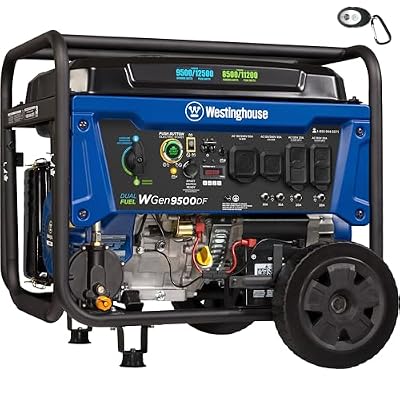 WestinghouseWestinghouse 12500 Watt Dual Fuel Home Backup Portable Generator, Remote…$999 \xc2\xb7 99/100
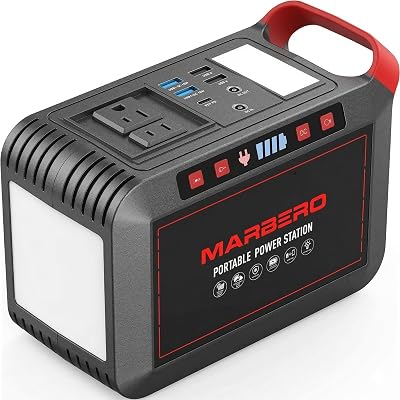
 MARBEROPortable Power Station 300W MARBERO 237Wh Camping Solar Generator Backup…$123 \xc2\xb7 99/100
 JackeryJackery Explorer 500 v2 Power Station, 512Wh/500W, AC Cable Included…$359 \xc2\xb7 97/100MARBEROMARBERO 111Wh Solar Generator with Panels Included Solar Panel Kit…$95 \xc2\xb7 96/100








Write Your Review
No reviews yet. Be the first to share your experience!