
⚡ Key Takeaways
- Start With the Quick Checks
- Common Causes and Their Fixes
- The Number One Culprit: Stale Fuel
- Spark Plug Problems
- Low Oil Shutoff
- Carburetor Clogs
- Runs but Produces No Power
- Electric Start Won’t Crank
- Air and Fuel Flow Problems
- When to Call a Professional
- Prevent Future No-Starts
- Safety Reminders During Troubleshooting
- Top-Rated Picks
- Related Guides
- Frequently Asked Questions
- The Bottom Line
- Related Articles
- Before diving into the engine, rule out the easy stuff.
- Gasoline degrades in as little as 30 days.
- A fouled, worn, or wet spark plug prevents ignition.
- Nearly all modern generators have a low-oil sensor that prevents the engine from starting to protect it from damage.
There’s no worse time for a no-start than the middle of a storm. If your generator won’t start, the good news is that the cause is almost always one of a handful of simple, fixable problems — stale fuel, a closed valve, low oil, or a fouled spark plug. Before you call a repair shop or assume the worst, work through this troubleshooting guide. We’ll go through the most common causes in order of likelihood, with the exact fix for each, so you can get your power back fast and safely.
As an Amazon Associate we earn from qualifying purchases at no extra cost to you.
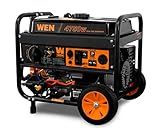


🛒 Best Price Today on Amazon
Prime members get fast, free shipping on everything above, plus member-only deals. New members get a 30-day free trial — cancel anytime.
Start With the Quick Checks
Before diving into the engine, rule out the easy stuff. A surprising number of “dead” generators are simply switched off somewhere along the line.
- Fuel valve: Is it open? A closed valve starves the engine.
- Choke: A cold engine needs the choke closed (on); a warm engine needs it open. Wrong choke position is a top reason for no-starts.
- On/off and engine switches: Confirm the main switch and any fuel/ignition switch are in the run position.
- Fuel level: Don’t trust the gauge — actually look in the tank.
- Low-oil sensor: Most generators won’t start if oil is low. Check the dipstick.
Common Causes and Their Fixes
| Symptom | Likely Cause | Fix |
|---|---|---|
| Won’t turn over at all | Low oil sensor, dead battery (electric start), kill switch off | Add oil, charge/replace battery, check switches |
| Cranks but won’t fire | Stale fuel, closed valve, wrong choke, fouled plug | Drain old fuel, open valve, set choke, clean plug |
| Starts then dies | Clogged carburetor, choke left closed, low oil | Clean carb, open choke once warm, check oil |
| Runs rough or surges | Dirty carburetor jets, stale fuel, dirty air filter | Clean carb and filter, use fresh fuel |
| No power output but runs | Tripped breaker, lost residual magnetism | Reset breaker, “flash” the generator |
The Number One Culprit: Stale Fuel
Gasoline degrades in as little as 30 days. Old fuel forms gummy deposits that clog the carburetor’s tiny jets, and ethanol in modern gas attracts water that fouls the system. If your generator sat unused since last season with gas in it, stale fuel is the prime suspect.
- Drain the old fuel from the tank and carburetor bowl into an approved container.
- Refill with fresh gasoline, ideally treated with a fuel stabilizer.
- If it still won’t fire, the carburetor likely needs cleaning — remove the bowl and clear the jets with carburetor cleaner.
- Going forward, run the generator dry before storage or add stabilizer to prevent recurrence.
Spark Plug Problems
A fouled, worn, or wet spark plug prevents ignition. Remove the plug with a socket wrench and inspect it. A black, sooty plug is fouled; a cracked porcelain or heavily worn electrode means it needs replacing. Clean a lightly fouled plug with a wire brush, check the gap against the manual’s spec, and reinstall. If in doubt, a fresh plug costs a few dollars and rules the problem out. Keeping spare plugs in a maintenance kit means you’re never stuck.
Low Oil Shutoff
Nearly all modern generators have a low-oil sensor that prevents the engine from starting to protect it from damage. If the oil is below the safe level — or if the generator is sitting on a slope that fools the sensor — it simply won’t crank. Check the dipstick on level ground and top off with the correct oil weight. This is one of the most common and easily missed reasons a generator won’t start.
Carburetor Clogs
If fresh fuel and a good plug don’t solve it, the carburetor is the usual remaining suspect. Symptoms include cranking without firing, starting then immediately dying, or rough surging. Cleaning involves removing the float bowl, spraying carb cleaner through the jets, and clearing the main jet passage. If you’re not comfortable with this, it’s a reasonable point to bring in a technician — but for many owners it’s a 20-minute job that revives a dead generator.
Runs but Produces No Power
Sometimes the engine starts fine but no electricity comes out of the outlets. First, check the generator’s circuit breaker — it may have tripped. If outlets are dead with the breaker reset, the generator may have lost its residual magnetism (common after long storage). “Flashing the field” with an electric drill or a brief connection to a power source can restore it; consult your manual for the model-specific procedure. Also verify your extension cords and any transfer switch connections aren’t the actual fault.
Electric Start Won’t Crank
For generators with an electric starter, a dead or weak battery is the usual cause of a no-crank. Try the manual recoil pull-start as a backup, then charge or replace the battery. Standby generators on a maintenance charger can still fail if the battery has aged out — batteries typically last about three years.
Air and Fuel Flow Problems
A generator engine needs the right balance of air and fuel. If you’ve ruled out fuel quality and spark, check the air filter — a clogged, oil-soaked filter starves the engine of air and causes hard starting, rough running, or stalling. Clean or replace it and try again. On the fuel side, beyond the carburetor, inspect the inline fuel filter if your model has one, and make sure the fuel line isn’t kinked or cracked. A pinched line restricts flow just like a closed valve. The fuel cap vent can also clog; a blocked vent creates a vacuum in the tank that chokes off fuel delivery, so loosen the cap and see if the engine runs better.
When to Call a Professional
Most no-starts are owner-fixable, but some warrant a technician. If you’ve worked through fuel, spark, oil, and air with no success, the problem may be deeper — a failing ignition coil, a worn engine with low compression, or a faulty voltage regulator on units that run but produce no power. Electric-start and standby generators add wiring and control boards that are harder to diagnose at home. If you’re not comfortable with carburetor disassembly or electrical testing, or if the unit is under warranty, bring it to a qualified service shop rather than risk further damage. Knowing when to stop is part of good troubleshooting.
Prevent Future No-Starts
The best fix is the problem you never have. Most no-starts trace back to neglect, so a little routine care goes a long way. Run the generator for 20–30 minutes monthly to keep fuel fresh and seals lubricated, change the oil on schedule, store the unit with stabilized fuel or a dry carburetor, and replace the spark plug periodically. Keeping spare oil, filters, and plugs on hand means a quick revival rather than a scramble during a storm. A reliable generator is mostly the product of consistent maintenance between outages.
Safety Reminders During Troubleshooting
Always troubleshoot with the engine off and cool. Never work on the carburetor or fuel system near open flame or while smoking. And once it starts, remember the cardinal rule: run the generator outdoors only, at least 20 feet from the house with exhaust pointed away from doors and windows. Carbon monoxide from a running generator is invisible, odorless, and deadly. Never start or run it in a garage or enclosed space, even to test it.
Top-Rated Picks

Prime
Best Seller
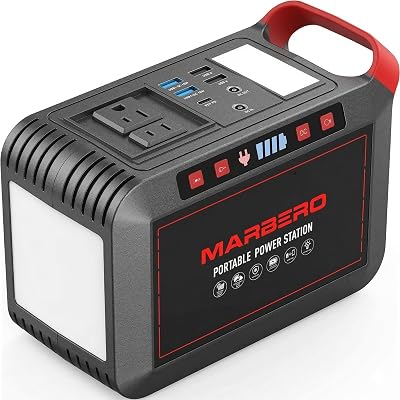
Westinghouse 12500 Watt Dual Fuel Home Backup Portable Generator, Remote Electric Start, Transfer Switch Ready, Gas and Propane Powered


| Product | Brand | Rating | Reviews | Price |
|---|---|---|---|---|
| Westinghouse 12500 Watt Dual Fuel Home Backup Portabl… | — | ★ 4.7 | 10.8k | under $1,000 |
| Jackery Explorer 500 v2 Portable Power Station and 16… | — | ★ 4.7 | 8.8k | under $350 |
| Jackery Explorer 1000 v2 Portable Power Station,1070W… | — | ★ 4.7 | 3.3k | under $450 |
| Portable Power Station 300W MARBERO 237Wh Camping Sol… | MARBERO | ★ 4.2 | 8.7k | under $150 |
| MARBERO Solar Generator 111Wh Portable Power Station … | MARBERO | ★ 4.2 | 8.7k | under $150 |
Frequently Asked Questions
Why won’t my generator start after sitting all winter?
The most common reason is stale fuel that has gummed up the carburetor. Drain the old gas, refill with fresh fuel, and clean the carburetor if needed. A fouled spark plug from long storage is the next likeliest cause.
My generator cranks but won’t fire — what’s wrong?
This usually points to a fuel or spark problem: a closed fuel valve, stale fuel, wrong choke position, or a fouled spark plug. Check the valve and choke first, then the fuel quality and plug.
Why does my generator start then immediately die?
Common causes are leaving the choke closed after the engine warms (open it), a clogged carburetor restricting fuel flow, or a low-oil shutoff. Clean the carb and verify the oil level.
Why does my generator run but produce no power?
Check the circuit breaker first — it may have tripped. If outlets are still dead, the generator may have lost residual magnetism after storage and need “flashing the field” per the manual.
Can low oil keep a generator from starting?
Yes. Almost all modern generators have a low-oil sensor that prevents starting to protect the engine. Check the dipstick on level ground and top off with the correct oil before troubleshooting anything else.
The Bottom Line
When a generator won’t start, resist the urge to panic. Work through the quick checks first — fuel valve, choke, switches, and oil — then tackle the big three causes: stale fuel, a fouled spark plug, and a clogged carburetor. Most no-starts come down to one of these and are fixable in minutes with basic tools. Keep fresh fuel, change the oil on schedule, and run the unit periodically, and you’ll dodge most of these problems before the next outage hits.
Top picks from this guide
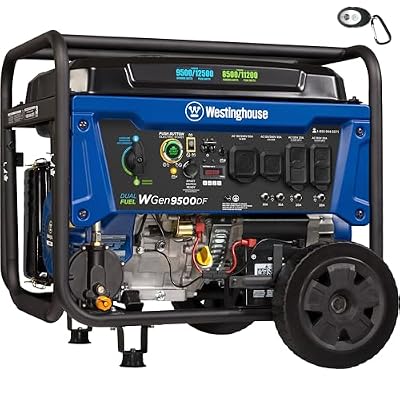 WestinghouseWestinghouse 12500 Watt Dual Fuel Home Backup Portable Generator, Remote…$999 \xc2\xb7 99/100
 MARBEROPortable Power Station 300W MARBERO 237Wh Camping Solar Generator Backup…$123 \xc2\xb7 99/100
 JackeryJackery Explorer 500 v2 Power Station, 512Wh/500W, AC Cable Included…$359 \xc2\xb7 97/100
 WENWEN 8000-Watt 120V/240V Dual Fuel Portable Generator, Electric Start, 340cc,…$623 \xc2\xb7 96/100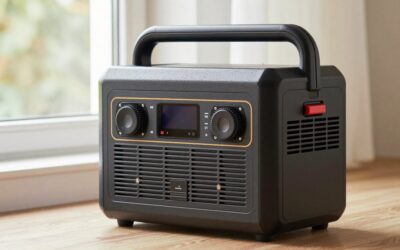









Write Your Review
No reviews yet. Be the first to share your experience!