
⚡ Key Takeaways
- What Each One Actually Is
- Head-to-Head Comparison
- Where Solar Generators Win
- Where Gas Generators Win
- The Runtime Reality
- The Best Answer for Many: Both
- Safety: A Key Differentiator
- Understanding Capacity vs. Output
- Climate and Seasonal Factors
- Expandability
- Cost Over Time
- Related Guides
- Frequently Asked Questions
- The Bottom Line
- Related Articles

Prime
Best Seller
Westinghouse 12500 Watt Dual Fuel Home Backup Portable Generator, Remote Electric Start, Transfer Switch Ready, Gas and Propane Powered



- A gas generator burns gasoline, propane, or diesel in an engine to produce electricity continuously, as long as you keep feeding it fuel.
- Solar generators shine in situations where gas generators are impractical or unsafe:
- Gas still dominates when you need sustained, high-output power:
- A typical home solar generator might store 1,000 to 3,000 watt-hours.
The solar vs gas generator question has become a genuine decision in recent years, not a foregone conclusion. Gas generators have powered homes through outages for decades — loud, fuel-hungry, but able to crank out serious wattage on demand. Solar generators (really large batteries paired with solar panels) are quiet, emission-free, and safe to run indoors, but they store a limited amount of energy and recharge slowly. The right choice depends on how much power you need, how long your outages last, and what you value most. Let’s compare them head to head.
As an Amazon Associate we earn from qualifying purchases at no extra cost to you.


🛒 Best Price Today on Amazon
Prime members get fast, free shipping on everything above, plus member-only deals. New members get a 30-day free trial — cancel anytime.
What Each One Actually Is
A gas generator burns gasoline, propane, or diesel in an engine to produce electricity continuously, as long as you keep feeding it fuel. A solar generator is a portable power station — a large lithium battery with built-in inverter and outlets — that you charge from solar panels, a wall outlet, or your car. It stores a fixed amount of energy (measured in watt-hours) and delivers it silently until depleted, then recharges from the sun.
Head-to-Head Comparison
| Factor | Solar Generator | Gas Generator |
|---|---|---|
| Emissions | None — safe indoors | Carbon monoxide — outdoor only |
| Noise | Nearly silent | Loud (64–76 dB) |
| Runtime | Limited by battery capacity | Unlimited with fuel |
| Recharge / refuel | Slow (hours of sun) | Fast (minutes to refuel) |
| Maintenance | Minimal | Oil, filters, plugs, fuel |
| Upfront cost | Higher per watt-hour | Lower per watt |
| Fuel cost | Free (sunlight) | Ongoing |
| Cold weather | Battery and panel output drops | Reliable |
| Best for | Quiet, indoor, small-to-medium loads | High wattage, long outages |
Where Solar Generators Win
Solar generators shine in situations where gas generators are impractical or unsafe:
- Indoor use: With zero emissions, you can run a solar generator inside an apartment, RV, or tent — impossible with gas.
- Silence: No engine noise makes them ideal for sleeping areas, medical equipment at night, campgrounds, and built-up neighborhoods.
- Low maintenance: No oil changes, no spark plugs, no stale fuel. They sit ready for years.
- Free fuel: Once you own the panels, sunlight costs nothing, which matters over a long ownership.
- Clean power: The pure sine-wave output is gentle on sensitive electronics.
For sizing and model options, our guide to portable power stations and solar generators walks through capacities and panel pairings.
Where Gas Generators Win
Gas still dominates when you need sustained, high-output power:
- Unlimited runtime: Keep adding fuel and a gas generator runs for days. A solar battery is capped at its watt-hour rating.
- High wattage: Powering central air, well pumps, electric ranges, or power tools demands wattage that most solar units can’t sustain affordably.
- Fast recharge: Refueling takes minutes; recharging a depleted battery from solar can take most of a sunny day.
- Weather independence: Cloudy days and short winter daylight cripple solar charging. Gas doesn’t care about the sky.
- Lower upfront cost for big loads: Dollar for watt, gas is far cheaper at high capacities.
The Runtime Reality
This is the crux of the decision. A typical home solar generator might store 1,000 to 3,000 watt-hours. That’s enough to run a refrigerator and some lights for a day, but it depletes and depends on sunshine to refill. A gas generator with a few cans of fuel can run heavy loads for days straight. For a brief outage with modest needs, solar is clean and convenient. For a multi-day outage in winter or with big loads, gas is more dependable.
The Best Answer for Many: Both
You don’t always have to choose. A growing number of homeowners pair a gas generator for high-output, long-duration needs with a solar generator for quiet overnight runs and indoor electronics. The solar unit handles the fridge and CPAP machine silently at night; the gas unit takes over for daytime heavy loads and recharges the battery if needed. For a permanent, hands-off version of the solar side, a solar panel battery backup system integrates with your home wiring.
Safety: A Key Differentiator
This is where solar has a clear, life-safety advantage. Gas generators emit carbon monoxide and must always run outdoors, at least 20 feet from the house, with exhaust pointed away from windows. Every year people die using gas generators improperly indoors or in garages. Solar generators produce no exhaust and are safe to use in any room. If you live in an apartment or simply want to eliminate CO risk entirely, that alone may decide it for you. Regardless, keep CO alarms installed if you own any gas generator.
Understanding Capacity vs. Output
One source of confusion when shopping is that solar generators advertise two different numbers, and both matter. Capacity in watt-hours (Wh) tells you how much total energy is stored — think of it as the size of the fuel tank. Output in watts tells you how much power the unit can deliver at once — the size of the engine. A solar generator can have huge capacity but a modest output limit, meaning it can run a fridge for a long time but can’t start a power tool that needs a big surge. Gas generators are rated mainly in running and starting watts, with runtime depending on fuel. When comparing the two, look at whether the solar unit’s output watts can actually handle your largest appliance’s startup surge, not just whether its capacity is large.
Climate and Seasonal Factors
Where you live shapes which option performs better. In sunny regions with long days, a solar generator recharges quickly and can sustain essentials almost indefinitely. In cloudy climates or during winter, short daylight and weak sun dramatically slow recharging, and cold temperatures reduce both battery capacity and panel output. Gas generators are largely immune to weather — they produce the same power on a gray January morning as a sunny July afternoon, though extreme cold can make starting harder. If your outages tend to come from winter storms, that weather independence is a meaningful point in favor of gas, or of keeping a gas unit as backup to a solar system.
Expandability
Solar generators have a flexibility gas units can’t match: many let you add extra battery modules and more solar panels over time, growing your capacity as your needs or budget allow. You might start with a single power station and a couple of panels, then expand to cover more of your home later. Gas generators are fixed at their rated output — to get more power you buy a bigger unit (or parallel two inverters). For homeowners who want to start small and scale up, the modular nature of solar systems is an appealing long-term path.
Cost Over Time
Gas generators cost less upfront but carry ongoing fuel and maintenance expenses, and fuel prices spike exactly when demand is highest — during widespread outages. Solar generators cost more to buy but run on free sunlight with almost no maintenance, so they can be cheaper over many years if you use them often. Factor in how frequently you’ll actually rely on backup power when weighing the two.
Frequently Asked Questions
Can a solar generator power a whole house?
Most portable solar generators can power essentials — a fridge, lights, and electronics — but not a whole house with central air and large appliances for long. A large integrated solar battery backup system can come closer, but high sustained loads still favor gas or standby generators.
Is a solar generator better than a gas generator?
It depends on your needs. Solar is better for quiet, emission-free, indoor use and low maintenance. Gas is better for unlimited runtime, high wattage, and reliability in bad weather. Many people use both.
How long does a solar generator last during an outage?
It depends on battery capacity and your load. A 2,000 watt-hour unit might run a refrigerator and lights for a day, then needs sunlight to recharge. Cloudy weather extends the recharge time significantly.
Can you run a solar generator indoors?
Yes. Solar generators produce no exhaust or carbon monoxide, so they’re safe to use indoors, in RVs, and in tents — a major advantage over gas generators, which must always run outside.
Which is cheaper, solar or gas?
Gas generators cost less upfront, especially at high wattage, but have ongoing fuel and maintenance costs. Solar generators cost more initially but run on free sunlight with minimal upkeep, making them cheaper over long-term frequent use.
The Bottom Line
Choose a solar generator if you want quiet, emission-free power you can run indoors with almost no maintenance, and your needs are modest. Choose a gas generator if you need high wattage, unlimited runtime, fast refueling, and reliability through bad weather. For the best of both worlds, pair them: solar for silent overnight essentials, gas for heavy daytime loads. Match the choice to your real outage patterns, and always respect carbon-monoxide safety with any gas unit.
Top picks from this guide
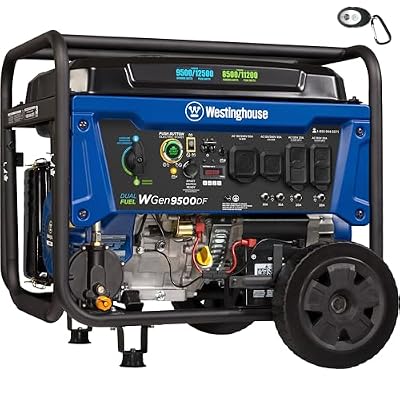 WestinghouseWestinghouse 12500 Watt Dual Fuel Home Backup Portable Generator, Remote…$999 \xc2\xb7 99/100
 ZeroKorPortable Solar Generator 300W Portable Power Station with 60W Solar…$171 \xc2\xb7 99/100
 JackeryJackery Solar Generator 300 and 40W Solar Panel,292Wh,300W AC$319 \xc2\xb7 99/100
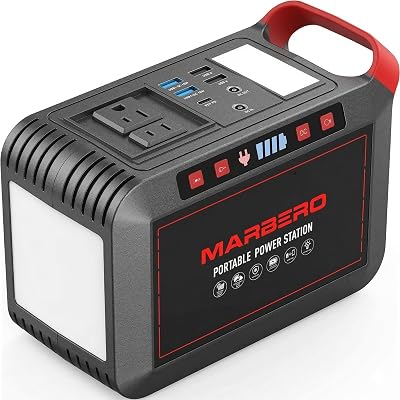
 MARBEROPortable Power Station 300W MARBERO 237Wh Camping Solar Generator Backup…$123 \xc2\xb7 99/100









Write Your Review
No reviews yet. Be the first to share your experience!