
⚡ Key Takeaways
- The Fundamental Difference
- Head-to-Head Comparison
- Standby Generators: Pros and Cons
- Portable Generators: Pros and Cons
- Cost: The Deciding Factor for Many
- How You’ll Connect Each One
- Which Should You Choose?
- Fuel and Runtime Considerations
- Noise and Neighbor Considerations
- Reliability When You’re Away
- Safety Applies to Both
- Related Guides
- Frequently Asked Questions
- The Bottom Line
- Related Articles

Prime
Best Seller
Westinghouse 12500 Watt Dual Fuel Home Backup Portable Generator, Remote Electric Start, Transfer Switch Ready, Gas and Propane Powered



- When the power fails, it detects the outage and starts within seconds — no action from you.
- Drawbacks: High upfront cost, professional installation with permits, fixed location, and reliance on a gas line or large tank.
- Drawbacks: Manual startup, limited capacity, must be refueled every several hours, requires safe outdoor placement, and demands disciplined carbon-monoxide safety.
- A whole-house standby installation typically runs $5,000 to $18,000 including the unit, transfer switch, gas hookup, pad, and electrical work.
When it’s time to invest in backup power, the standby vs portable generator decision shapes everything: how much you’ll spend, how much of your home you can run, and whether you’ll be flipping switches in a storm or letting the system handle itself. Standby generators are permanently installed, start automatically, and can power your entire house. Portable generators cost a fraction as much, plug in when you need them, and cover the essentials. Neither is universally “better” — the right pick depends on your budget, your outage patterns, and how hands-off you want to be. Here’s the full comparison.
As an Amazon Associate we earn from qualifying purchases at no extra cost to you.



🛒 Best Price Today on Amazon
Prime members get fast, free shipping on everything above, plus member-only deals. New members get a 30-day free trial — cancel anytime.
The Fundamental Difference
A standby generator is a fixed appliance bolted to a concrete pad outside your home, wired into your electrical panel through an automatic transfer switch, and connected to natural gas or a large propane tank. When the power fails, it detects the outage and starts within seconds — no action from you. A portable generator is a wheeled unit you store in the garage, roll out during an outage, fuel with gasoline or propane, start manually, and connect with cords or through an interlock or transfer switch.
Head-to-Head Comparison
| Factor | Standby Generator | Portable Generator |
|---|---|---|
| Cost (installed) | $5,000–$18,000 | $500–$4,000 |
| Power capacity | 10–26+ kW (whole house) | 2–12 kW (essentials) |
| Startup | Automatic, seconds | Manual |
| Fuel | Natural gas / large propane | Gasoline / propane |
| Runtime | Days to weeks | Hours per tank, refuel needed |
| Installation | Professional, permitted | None (DIY-friendly) |
| Maintenance | Annual professional service | Owner-performed |
| Portability | Fixed | Movable, usable elsewhere |
| Noise | Moderate, enclosed | Louder, open |
Standby Generators: Pros and Cons
Advantages:
- Automatic operation. It starts itself in seconds, so you stay powered even if you’re away from home.
- Whole-house capacity. Properly sized, it runs central air, well pumps, electric appliances — everything at once.
- Unlimited runtime on natural gas. No refueling; it runs for days or weeks.
- Cleaner integration. No cords, no manual switching, weather-resistant enclosure.
- Adds home value and convenience for frequent or long outages.
Drawbacks: High upfront cost, professional installation with permits, fixed location, and reliance on a gas line or large tank.
Portable Generators: Pros and Cons
Advantages:
- Far cheaper. A capable portable with a transfer switch costs a fraction of a standby system.
- Flexibility. Use it for the house, a job site, camping, or tailgating.
- No installation required for basic cord use, though an interlock or transfer switch is recommended for panel circuits.
- Owner-serviceable. You handle oil and basic upkeep yourself.
Drawbacks: Manual startup, limited capacity, must be refueled every several hours, requires safe outdoor placement, and demands disciplined carbon-monoxide safety.
Cost: The Deciding Factor for Many
The price gap is dramatic. A whole-house standby installation typically runs $5,000 to $18,000 including the unit, transfer switch, gas hookup, pad, and electrical work. A portable generator paired with an interlock kit or transfer switch covers your essentials for $800 to $2,500 all in. For a deeper breakdown of standby pricing, see our guide to whole-house generator costs. If budget is the main constraint, a portable delivers the most resilience per dollar.
How You’ll Connect Each One
A standby generator comes with an automatic transfer switch built into the installation — there’s nothing for you to do during an outage. A portable requires you to choose a connection method: heavy-duty cords for a few appliances (see our extension cord guide), or an interlock kit/transfer switch to safely power panel circuits. If you need more capacity from portables, two inverter units can be linked with a parallel kit to boost combined output.
Which Should You Choose?
Choose a standby generator if you experience frequent or long outages, rely on a well or sump pump, work from home, depend on medical equipment, travel often (so automatic startup matters), or simply want whole-house comfort with zero hassle — and the budget supports it.
Choose a portable generator if your outages are occasional and short, you want the lowest cost, you value flexibility to use the unit elsewhere, or you’re comfortable starting it manually and managing fuel. For most homeowners facing the occasional storm, a quality portable with a proper transfer connection is the practical, affordable answer.
Fuel and Runtime Considerations
Fuel strategy differs sharply between the two. A standby generator wired to a natural gas line never needs refueling — it draws from the same supply that feeds your furnace and water heater, so it can run for days or weeks limited only by maintenance. A standby on propane relies on a large on-site tank, typically 250 to 500 gallons, which still provides one to three weeks of running. A portable generator, by contrast, runs 8 to 12 hours on a tank of gasoline and must be shut down, cooled, and manually refueled — a real inconvenience during a multi-day outage, especially overnight or during severe weather when going outside to refuel is unpleasant or unsafe.
Noise and Neighbor Considerations
Standby generators sit in a weather-resistant, sound-dampening enclosure, so while they’re audible, they’re generally quieter and steadier than an open-frame portable revving in the driveway. Conventional portables can be genuinely loud, which matters in close neighborhoods or during overnight running. If noise is a concern but you still want a portable’s flexibility and price, an inverter portable is dramatically quieter than a conventional one — a worthwhile middle ground. Either way, check local noise ordinances and any HOA rules, which sometimes dictate placement, enclosures, or permitted run times.
Reliability When You’re Away
One advantage that’s easy to overlook is what happens when no one is home. A standby generator starts automatically, so a freezer full of food survives an outage that hits while you’re at work or on vacation, and a sump pump keeps a basement dry during a storm you’re not there to manage. A portable does nothing unless someone is present to roll it out, fuel it, and start it. If you travel frequently or depend on power for something time-sensitive like refrigerated medication, that hands-off reliability can be the single most important factor in the decision.
Safety Applies to Both
Whichever you choose, carbon-monoxide safety is non-negotiable for any fuel-burning generator. Portables must run outdoors, at least 20 feet from the house, with exhaust aimed away from doors and windows — never in a garage or enclosed space. Standby units are positioned outdoors by code with proper clearances. Install CO alarms inside your home regardless. And never backfeed a portable through a wall outlet — always use a transfer switch or interlock.
Frequently Asked Questions
What’s the main difference between a standby and portable generator?
A standby generator is permanently installed, starts automatically, and can power the whole house on natural gas. A portable is movable, costs far less, starts manually, and typically covers just the essentials.
Is a standby generator worth the cost?
It’s worth it if you have frequent or lengthy outages, depend on pumps or medical equipment, or are often away and need automatic operation. For occasional short outages, a portable delivers more resilience per dollar.
Can a portable generator power a whole house?
A large portable (around 7,500–12,000 watts) can cover most essentials and some comfort items through a transfer switch, but it generally can’t run central air and all major appliances simultaneously the way a sized standby unit can.
Do standby generators turn on automatically?
Yes. A standby generator’s automatic transfer switch detects the outage and starts the unit within seconds, with no action needed from you — a key advantage if you’re away from home.
Which is cheaper to maintain, standby or portable?
Portables are cheaper to maintain since you do the oil changes and basic upkeep yourself. Standby units require professional annual service, but that service keeps a more complex, whole-house system reliable.
The Bottom Line
Standby and portable generators solve the same problem at very different price points and convenience levels. A standby unit gives you automatic, whole-house, hands-off power for $5,000-plus — ideal for frequent outages and total peace of mind. A portable covers your essentials for a fraction of the cost and goes wherever you need it, at the price of manual startup and refueling. Match the choice to your outage frequency, budget, and tolerance for hands-on operation, and connect either one safely with proper carbon-monoxide precautions.
Top picks from this guide
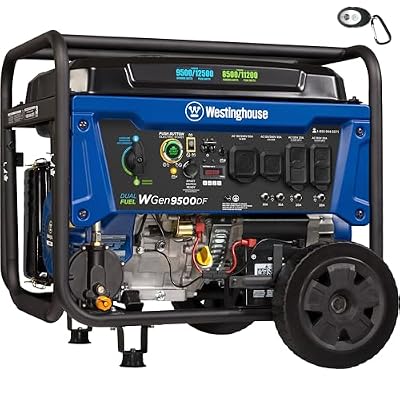 WestinghouseWestinghouse 12500 Watt Dual Fuel Home Backup Portable Generator, Remote…$999 \xc2\xb7 99/100
 ZeroKorPortable Solar Generator 300W Portable Power Station with 60W Solar…$171 \xc2\xb7 99/100
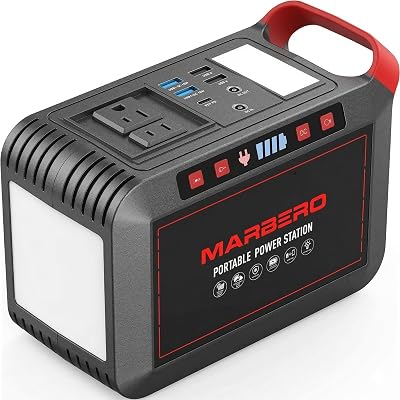
 MARBEROPortable Power Station 300W MARBERO 237Wh Camping Solar Generator Backup…$123 \xc2\xb7 99/100
 EnginStarEnginStar 296Wh Portable Solar Generator, Pure Sine Wave Power Station$134 \xc2\xb7 98/100








Write Your Review
No reviews yet. Be the first to share your experience!