
⚡ Key Takeaways
- What Determines Generator Fuel Consumption
- Real-World Gas Consumption by Generator Size
- How to Calculate Your Own Fuel Usage
- Gas vs. Propane vs. Diesel Consumption
- Tips to Reduce Generator Gas Usage
- How Inverter Generators Slash Fuel Use
- How Temperature and Altitude Affect Consumption
- Budgeting Fuel for a Multi-Day Outage
- Related Guides
- Frequently Asked Questions
- Conclusion
- Related Articles

Prime
Best Seller
Westinghouse 12500 Watt Dual Fuel Home Backup Portable Generator, Remote Electric Start, Transfer Switch Ready, Gas and Propane Powered



- Three factors dominate how fast your generator drinks fuel.
- The table below shows typical gasoline consumption for common portable generator sizes at 50 percent load.
- You can estimate consumption in a few minutes.
- Fuel choice changes both the volume burned and the math you use to budget.
Understanding how much gas a generator uses is one of the most practical things you can learn before a power outage hits. Fuel consumption determines how long you can keep the lights on, how much you need to stockpile, and what it costs to run your generator hour after hour. A typical mid-size portable generator burns somewhere between 0.5 and 0.75 gallons of gasoline per hour at half load, but that number swings widely depending on engine size, load, and fuel type. In this guide we break down real-world consumption figures, show you how to calculate your own usage, and share the habits that stretch every gallon further.
As an Amazon Associate we earn from qualifying purchases at no extra cost to you.




🛒 Best Price Today on Amazon
Prime members get fast, free shipping on everything above, plus member-only deals. New members get a 30-day free trial — cancel anytime.
What Determines Generator Fuel Consumption
Three factors dominate how fast your generator drinks fuel. First is engine displacement and rated wattage: a 3,000-watt unit simply cannot burn fuel as fast as a 12,000-watt standby. Second is load, expressed as a percentage of the generator’s rated output. A generator running at 25 percent load sips fuel, while the same machine at 100 percent load can nearly double its hourly burn. Third is the generator type. Conventional generators run their engine at a constant 3,600 RPM regardless of demand, whereas inverter generators throttle the engine up and down to match the load, often cutting consumption by 30 to 40 percent at light loads.
Fuel type matters too. Gasoline and propane have different energy densities, so the same engine will consume different volumes of each. Outside temperature, altitude, and engine age also nudge the numbers, but load is by far the biggest lever you control.
Real-World Gas Consumption by Generator Size
The table below shows typical gasoline consumption for common portable generator sizes at 50 percent load. These are practical averages drawn from manufacturer specs across popular models; your exact mileage will vary.
| Generator Size | Gallons/Hour (50% load) | Runtime on Full Tank | Typical Tank Size |
|---|---|---|---|
| 2,000 W inverter | 0.12 gal | 8–10 hrs | 1.0 gal |
| 3,500 W portable | 0.35 gal | 10–12 hrs | 3.4 gal |
| 5,000 W portable | 0.55 gal | 9–11 hrs | 6.0 gal |
| 7,500 W portable | 0.75 gal | 10–12 hrs | 8.0 gal |
| 10,000 W portable | 1.10 gal | 8–10 hrs | 9.0 gal |
Notice that bigger tanks don’t always mean longer runtime, because larger engines burn proportionally more fuel. An inverter generator stands out dramatically here, squeezing 8 or more hours from a single gallon under light load.
How to Calculate Your Own Fuel Usage
You can estimate consumption in a few minutes. Start by adding up the running watts of everything you plan to power, then divide by your generator’s rated watts to find your load percentage. Most owner’s manuals list fuel consumption at 25, 50, and 100 percent load. Match your load percentage to that figure to get gallons per hour.
If your manual is missing, use this rough rule of thumb for conventional generators: a unit consumes about 0.07 gallons per hour for every 1,000 watts of actual draw. So a 5,000-watt generator powering 2,500 watts of appliances burns roughly 0.18 gallons per hour at that moment. Multiply by the hours of expected outage and add a 20 percent safety margin to know how much gas to store.
Gas vs. Propane vs. Diesel Consumption
Fuel choice changes both the volume burned and the math you use to budget. Propane is sold by the pound or gallon and carries less energy per gallon than gasoline, so a generator running on propane burns more volume for the same output. Diesel engines, common in larger standby units, are the most fuel-efficient per kilowatt-hour.
| Fuel Type | Relative Efficiency | Storage Life | Notes |
|---|---|---|---|
| Gasoline | Baseline | 3–6 months (stabilized) | Widely available, degrades fast |
| Propane | ~10% more volume burned | Indefinite | Clean, stores forever, lower BTU |
| Diesel | Most efficient | 6–12 months | Best for heavy continuous loads |
Tips to Reduce Generator Gas Usage
Cutting fuel consumption is mostly about managing load. Run only the appliances you genuinely need at any moment, and stagger high-draw items like well pumps and air conditioners rather than running them simultaneously. Switching off the generator overnight, when you only need the refrigerator to cycle a few times, saves gallons.
Keeping your engine healthy also helps. A clogged air filter, dirty carburetor, or old spark plug forces the engine to work harder and burn more. A simple generator maintenance kit with filters, plugs, and oil keeps consumption at its rated baseline. If you run multiple devices on long runs, a properly sized generator extension cord reduces voltage drop so motors don’t draw extra current to compensate.
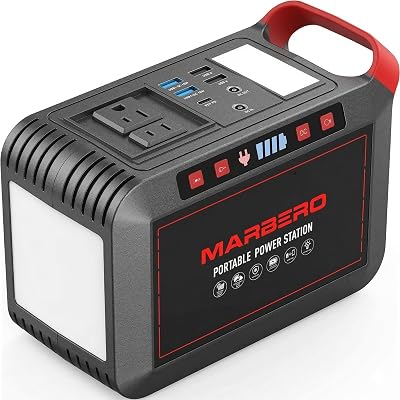
For light, intermittent needs like charging phones and running a few LED lights, a portable power station or solar generator uses zero fuel at all and can shoulder small loads while your gas unit rests.
How Inverter Generators Slash Fuel Use
If fuel economy is a top priority, an inverter generator deserves serious consideration. Conventional generators spin their engine at a fixed 3,600 RPM around the clock so they can hold a steady 60 Hz output, which means they burn nearly the same amount of fuel whether you are running a single light bulb or a full load. Inverter generators take a smarter approach: they generate raw power, convert it to clean stable electricity electronically, and let the engine speed rise and fall with actual demand. When you are only drawing a small load, the engine throttles back to a quiet idle and sips fuel.
The real-world payoff is significant. Under light loads, an inverter unit in eco mode can use 30 to 40 percent less fuel than a conventional generator of the same wattage. It also runs much quieter and produces cleaner power that is safer for sensitive electronics like laptops and phones. The trade-off is a higher purchase price and, on smaller models, less peak output. For long overnight runs where you only need a refrigerator to cycle occasionally and a few lights, that fuel savings adds up fast across a multi-day outage.
How Temperature and Altitude Affect Consumption
Environmental conditions quietly shift your fuel numbers. In cold weather, an engine works harder to warm up and may run richer, nudging consumption higher, while extreme heat can reduce efficiency as well. Altitude has an even bigger effect: as you climb above a few thousand feet, thinner air reduces an engine’s power and can cause it to run rich unless it is jetted or tuned for high elevation. Many manufacturers offer high-altitude kits for exactly this reason. If you live in the mountains, expect both somewhat lower output and slightly different fuel behavior than the sea-level figures printed in most spec sheets.
Budgeting Fuel for a Multi-Day Outage
For a typical 5,000-watt generator running about 12 hours a day at moderate load, expect to burn roughly 4 to 6 gallons daily. A three-day outage therefore calls for 12 to 18 gallons of safely stored, stabilized gasoline. Store fuel in approved containers away from living spaces, add a fuel stabilizer if it will sit longer than a month, and rotate your supply so it never goes stale. It is also wise to keep a small reserve beyond your estimate, since outages frequently last longer than the initial forecasts suggest and refueling stations may be closed when you need them most.
Frequently Asked Questions
How much gas does a generator use per hour? Most portable generators use between 0.3 and 0.75 gallons of gasoline per hour at half load. Small inverter units can run on as little as 0.1 gallon per hour, while large 10,000-watt machines may exceed 1 gallon per hour.
Does running a generator at full load use a lot more gas? Yes. Running at 100 percent load can nearly double the hourly consumption compared with 50 percent load, so keeping your load moderate is the single best way to conserve fuel.
How long will a generator run on a full tank? Most portable generators run 8 to 12 hours on a full tank at 50 percent load. Inverter generators with eco mode can stretch beyond 10 hours on a single gallon under light loads.
Is propane more economical than gasoline for a generator? Propane burns slightly more volume per kilowatt-hour but stores indefinitely and runs cleaner. For occasional backup where fuel may sit for months, propane often wins on overall convenience and shelf life.
How much gas should I store for a power outage? Plan on 4 to 6 gallons per day for a mid-size generator running about 12 hours daily, then add 20 percent as a safety margin and use a fuel stabilizer for anything stored more than a month.
Conclusion
Knowing how much gas your generator uses turns a stressful outage into a managed one. Match your load to your needs, keep the engine maintained, choose the right fuel for your situation, and budget your supply with a margin to spare. Do that, and you’ll always know exactly how long your power, and your fuel, will last.
Top picks from this guide
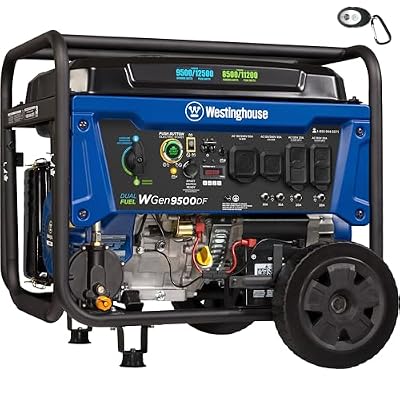 WestinghouseWestinghouse 12500 Watt Dual Fuel Home Backup Portable Generator, Remote…$999 \xc2\xb7 99/100
 DuroStarDuroStar DS13000MXT 13,000-Watt 500cc Tri Fuel Portable Generator - Gas,…$999 \xc2\xb7 99/100
 MARBEROPortable Power Station 300W MARBERO 237Wh Camping Solar Generator Backup…$123 \xc2\xb7 99/100
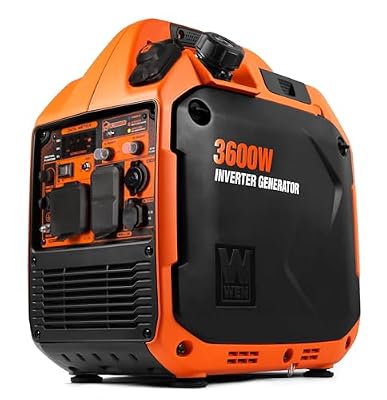 WENWEN Quiet and Lightweight 3600-Watt Dual Fuel RV-Ready Portable Inverter…$521 \xc2\xb7 97/100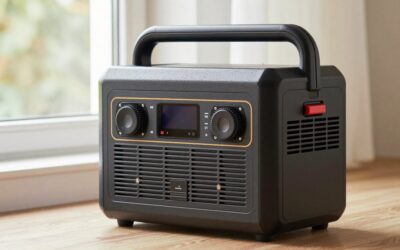








Write Your Review
No reviews yet. Be the first to share your experience!