
⚡ Key Takeaways
- What Grounding Actually Does
- The Key Concept: Bonded Neutral vs. Floating Neutral
- The Most Common Case: You Usually Don’t Need a Ground Rod
- When You Do Need to Ground a Generator
- How to Install a Grounding Rod (When Required)
- Safe Connection Practices
- Grounding and GFCI Outlets
- Common Grounding Mistakes to Avoid
- Maintaining Safe Electrical Operation
- Related Guides
- Frequently Asked Questions
- Conclusion
- Related Articles

Prime
Best Seller
Westinghouse 12500 Watt Dual Fuel Home Backup Portable Generator, Remote Electric Start, Transfer Switch Ready, Gas and Propane Powered


- Grounding connects the metal frame and electrical system of your generator to the earth or to a common ground point, giving fault current a safe path to follow instead of passing through a person.
- The single most important thing to determine is whether your generator has a bonded neutral or a floating neutral, because it changes everything about grounding.
- For the typical homeowner running a portable generator and plugging appliances directly into its outlets with cords, a separate grounding rod is usually not required.
- Separate grounding becomes relevant in specific situations.
Understanding how to ground a generator is an essential safety topic that confuses many new owners, partly because the rules depend heavily on how your generator is built and used. Grounding provides a safe path for stray electrical current, protecting you from shock and your equipment from damage in the event of a fault. The good news is that most modern portable generators do not require a separate grounding rod for typical use, but knowing when grounding is needed and how to do it correctly is critical. This guide explains the concepts in plain language, clarifies the most common scenario, and shows you when and how to ground your generator properly.
As an Amazon Associate we earn from qualifying purchases at no extra cost to you.


🛒 Best Price Today on Amazon
Prime members get fast, free shipping on everything above, plus member-only deals. New members get a 30-day free trial — cancel anytime.
What Grounding Actually Does
Grounding connects the metal frame and electrical system of your generator to the earth or to a common ground point, giving fault current a safe path to follow instead of passing through a person. If a wire inside an appliance or the generator becomes loose and energizes the metal housing, a proper ground trips the protection and prevents a dangerous shock. Grounding also helps stabilize voltage and reduce the risk of equipment damage. In short, it is a safety system that matters most when something goes wrong.
The Key Concept: Bonded Neutral vs. Floating Neutral
The single most important thing to determine is whether your generator has a bonded neutral or a floating neutral, because it changes everything about grounding. In a bonded-neutral generator, the neutral conductor is connected to the frame internally. In a floating-neutral generator, it is not. This distinction decides whether the frame is already part of the grounding path and affects compatibility with transfer switches and GFCI outlets. Your owner’s manual states which type you have, and it should be your first stop.
| Generator Type | Neutral Configuration | Typical Grounding Need |
|---|---|---|
| Most portable units (standalone use) | Often bonded neutral | Usually no separate rod needed |
| Connected via transfer switch | May need floating neutral | Grounding handled by home system |
| Large standby/permanent | Per installation code | Professionally grounded |
The Most Common Case: You Usually Don’t Need a Ground Rod
For the typical homeowner running a portable generator and plugging appliances directly into its outlets with cords, a separate grounding rod is usually not required. Modern portable generators are designed so the frame serves as the grounding path, with the engine, fuel tank, and frame all bonded together. As long as you plug equipment directly into the generator’s receptacles, the unit’s built-in grounding generally satisfies safety requirements. The U.S. Occupational Safety and Health Administration recognizes this arrangement for many portable generators used as standalone power.
That said, always defer to your owner’s manual. Some models and some jurisdictions or job-site rules do require a grounding electrode, so read the manufacturer’s grounding instructions before you decide.
When You Do Need to Ground a Generator
Separate grounding becomes relevant in specific situations. If your generator is connected to your home’s electrical system, the grounding is typically handled through the home’s existing grounding system, often via the transfer switch, and the generator may need a floating neutral to work correctly with it. Certain larger, permanently installed standby generators must be grounded per electrical code by a licensed electrician. Some portable models, especially older ones or those used on construction sites, specify driving a grounding rod. When in doubt, the manual and a qualified electrician are your authorities.
How to Install a Grounding Rod (When Required)
If your manual calls for a separate ground, the process uses a copper grounding rod driven into the earth. Drive a copper or copper-clad grounding rod, typically eight feet long, into the ground until only the top is exposed. Connect a length of copper grounding wire from the rod to the generator’s grounding terminal, which is usually a bolt marked with a ground symbol. Strip the wire ends, secure them tightly under the terminal and to the rod with an approved clamp, and make sure every connection is clean and snug. A loose or corroded connection defeats the purpose of grounding entirely.
Safe Connection Practices
Grounding is only one piece of safe generator operation. Always use outdoor-rated, properly sized cords; a heavy-duty generator extension cord with an intact ground pin keeps the grounding path continuous from generator to appliance. Never remove or defeat the ground pin on a plug. If you want to power your home’s circuits, do not improvise; have a licensed electrician install a generator interlock kit so the generator ties into your panel safely with grounding handled correctly and no risk of backfeeding the utility line.
Grounding and GFCI Outlets
Modern portable generators increasingly come with GFCI, or ground-fault circuit interrupter, outlets that cut power instantly if they detect current leaking to ground, protecting you from shock. There is an important interaction between GFCI outlets and neutral configuration. A bonded-neutral generator can cause certain GFCI outlets or transfer switch arrangements to nuisance-trip, while a floating-neutral generator behaves differently. This is one more reason the bonded-versus-floating distinction matters, and why connecting a generator to a home system should be designed by a professional who understands how your unit’s neutral is configured. Never disable or bypass a GFCI outlet to stop nuisance tripping; instead, address the root cause with proper equipment and wiring.
Common Grounding Mistakes to Avoid
Several errors undermine safe grounding. The first is assuming you always need a ground rod and driving one when your manual says it is unnecessary, which adds no benefit and can even complicate a transfer-switch setup. The second is the opposite error, ignoring the manual when it does require grounding, leaving you unprotected during a fault. Other frequent mistakes include using undersized or corroded grounding wire, making loose connections that do not provide a reliable low-resistance path, and defeating the ground pin on plugs or adapters to force a connection. Each of these compromises the safety system grounding is meant to provide. The reliable rule is simple: read your specific manual, follow it exactly, use proper materials, and bring in a licensed electrician whenever your generator ties into household wiring.
Maintaining Safe Electrical Operation
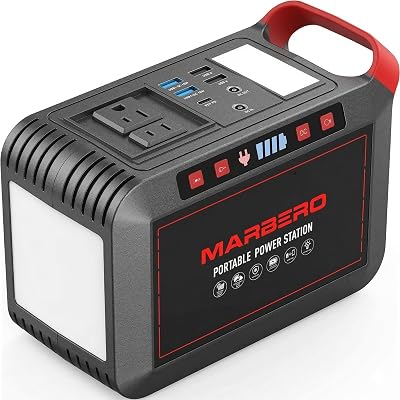
A well-maintained generator is a safer generator. Keep the unit clean, inspect cords and plugs for damage, and test any GFCI outlets regularly. Routine engine upkeep with a generator maintenance kit keeps the whole machine in reliable condition. For small, simple backup needs where you would rather avoid grounding considerations altogether, a portable power station or solar generator delivers clean power from a sealed battery with no engine and no grounding rod to manage.
Frequently Asked Questions
Do I need to ground my portable generator? In most cases, no. If you plug appliances directly into the generator’s outlets, the unit’s frame typically serves as the grounding path and a separate rod is not required. Always confirm with your owner’s manual.
When does a generator need a grounding rod? When the manufacturer specifies one, when local codes or job-site rules require it, or for certain installations. Generators connected to a home through a transfer switch usually rely on the home’s grounding system instead.
What is the difference between bonded and floating neutral? In a bonded-neutral generator the neutral is connected to the frame internally, while in a floating-neutral generator it is not. This affects grounding and compatibility with transfer switches and GFCI outlets, so check which type you have.
How do I install a generator grounding rod? Drive an eight-foot copper grounding rod into the earth, then connect copper grounding wire from the rod to the generator’s grounding terminal with a tight, approved clamp. Ensure every connection is clean and secure.
Is it dangerous to run a generator without grounding? If your generator requires grounding and you skip it, yes, you risk shock and equipment damage during a fault. Many portable units are designed not to need a separate ground for standalone use, but you must follow the manual.
Conclusion
Grounding a generator sounds intimidating, but for most portable users plugging appliances directly into the unit, the built-in frame grounding is enough. The key is to identify whether you have a bonded or floating neutral, follow your manual exactly, and call an electrician for any connection to your home’s wiring. Get those basics right and your generator will deliver safe, reliable power every time.
Top picks from this guide
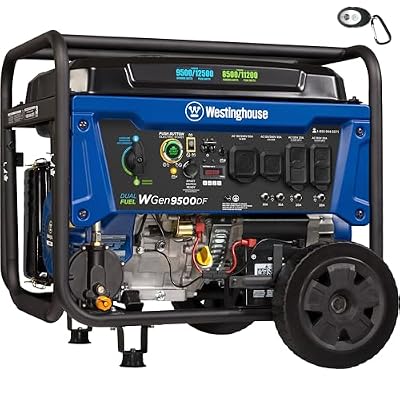 WestinghouseWestinghouse 12500 Watt Dual Fuel Home Backup Portable Generator, Remote…$999 \xc2\xb7 99/100
 MARBEROPortable Power Station 300W MARBERO 237Wh Camping Solar Generator Backup…$123 \xc2\xb7 99/100
 JackeryJackery Explorer 500 v2 Power Station, 512Wh/500W, AC Cable Included…$359 \xc2\xb7 97/100MARBEROMARBERO 111Wh Solar Generator with Panels Included Solar Panel Kit…$95 \xc2\xb7 96/100









Write Your Review
No reviews yet. Be the first to share your experience!