
⚡ Key Takeaways
- What a Transfer Switch Does
- Why You Should Never Backfeed Without One
- How a Transfer Switch Works
- Types of Transfer Switches
- Transfer Switch vs. Interlock Kit
- Installation: Leave It to a Professional
- Sizing a Transfer Switch to Your Generator
- The Inlet Box and Power Cord
- Using Your Transfer Switch Safely
- Top-Rated Picks
- Related Guides
- Frequently Asked Questions
- Conclusion
- Related Articles
- Related Guides
- A transfer switch sits between your generator and your home's electrical panel.
- Some people attempt to power their home by plugging a generator into a wall outlet with a double-male cord, a dangerous practice called backfeeding.
- In normal operation, your circuits draw power from the utility through the transfer switch.
- Transfer switches come in several forms to match different needs and budgets.
A generator transfer switch is the device that turns a portable generator from a tangle of extension cords into a clean, safe way to power your home’s wiring during an outage. If you have ever wished you could run your furnace, well pump, or hardwired appliances from your generator, the transfer switch is the piece you have been missing. It connects your generator to your home’s electrical panel while safely isolating your house from the utility grid, preventing the deadly backfeed that can electrocute line workers. This guide explains what a transfer switch is, how it works, the different types available, and why it is the right way to wire a generator into your home.
As an Amazon Associate we earn from qualifying purchases at no extra cost to you.
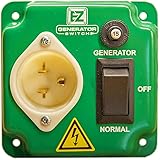
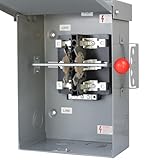
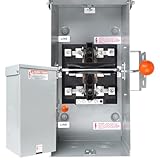


🛒 Best Price Today on Amazon
Prime members get fast, free shipping on everything above, plus member-only deals. New members get a 30-day free trial — cancel anytime.
What a Transfer Switch Does
A transfer switch sits between your generator and your home’s electrical panel. Its job is to switch the source of power for selected circuits from the utility to the generator, and back again, without ever connecting the two at the same time. This isolation is the entire point. When the grid goes down and you start your generator, the transfer switch lets generator power flow into your circuits while completely cutting off the connection to the utility lines. This protects utility workers from backfeed and protects your home and generator from damage when grid power returns.
Why You Should Never Backfeed Without One
Some people attempt to power their home by plugging a generator into a wall outlet with a double-male cord, a dangerous practice called backfeeding. This sends electricity backward through your home’s wiring and out to the utility lines, where it can electrocute and kill line workers who believe the circuit is dead. It also bypasses your home’s circuit protection and can damage your generator and appliances. A transfer switch makes this hazard impossible by design, which is why it is required by electrical code for connecting a generator to home wiring.
How a Transfer Switch Works
In normal operation, your circuits draw power from the utility through the transfer switch. When the power fails, you start your generator and connect it to the switch through an inlet box. You then move the switch to the generator position, which disconnects those circuits from the grid and feeds them from the generator instead. Because the switch physically cannot connect both sources simultaneously, there is no path for power to backfeed to the utility. When grid power returns, you switch back, and the generator is safely isolated again.
Types of Transfer Switches
Transfer switches come in several forms to match different needs and budgets. The table below compares the main types.
| Type | Operation | Best For |
|---|---|---|
| Manual transfer switch | You flip it by hand | Portable generators, budget setups |
| Automatic transfer switch (ATS) | Switches automatically | Standby generators, hands-off backup |
| Interlock kit | Mechanical slide on panel breakers | Whole-panel access, lower cost |
A manual transfer switch is the common choice for portable generators; you operate it by hand when needed. An automatic transfer switch detects an outage and starts a standby generator on its own, ideal for hands-off whole-home backup. An interlock kit is a code-compliant alternative that uses a sliding plate on your existing panel to ensure the main breaker and generator breaker can never be on at once.
Transfer Switch vs. Interlock Kit
Many homeowners weighing how to connect a generator compare a dedicated transfer switch with an interlock kit. A traditional transfer switch typically powers a fixed set of pre-wired circuits, making it simple and foolproof for essentials. An interlock kit gives you access to any circuit in your panel and often costs less, but requires a compatible panel and careful load management so you do not overload the generator. Both are safe and code-compliant when properly installed. You can explore the interlock approach in depth in our guide to the best generator interlock kit.
Installation: Leave It to a Professional
Wiring a transfer switch involves working inside your electrical panel with potentially lethal voltages, and it must comply with local electrical codes and permit requirements. This is not a typical do-it-yourself project. Hire a licensed electrician to install your transfer switch or interlock kit, size the inlet and conductors correctly, and inspect the work. A professional installation ensures the system is safe, code-compliant, and properly matched to your generator’s capacity.
Sizing a Transfer Switch to Your Generator
A transfer switch must be matched to both your generator’s output and the circuits you intend to power. Manual transfer switches are commonly rated by amperage and by the number of circuits they control, with popular models handling anywhere from six to twelve circuits. Before choosing one, make a list of the essentials you want to run during an outage, such as the furnace blower, well pump, refrigerator, and select lighting, then total their power requirements to confirm your generator can supply them. The transfer switch’s circuit count should cover those essentials with a little room to spare.
It is equally important not to oversize beyond what your generator can feed. A switch that exposes more circuits than your generator can power simply invites overload if you energize too many at once. Many manual switches include built-in wattage meters so you can monitor your draw and stay within the generator’s capacity. A licensed electrician will help you select the right switch, identify which circuits to wire to it, and ensure the inlet and conductors are sized correctly for your generator’s output.
The Inlet Box and Power Cord
A transfer switch system includes a power inlet box, a weatherproof receptacle mounted on the outside of your home where you plug in the generator. This inlet connects through your wall to the transfer switch inside, eliminating the unsafe practice of running cords through a cracked window or door. You connect the generator to the inlet box with a heavy-duty generator power cord rated for the amperage of your setup, often a locking-style cord that resists accidental disconnection. Keeping the inlet box weatherproof and the cord in good condition ensures a safe, reliable connection every time you need backup power, while letting the generator stay outdoors at a safe distance from the house.
Using Your Transfer Switch Safely
Once installed, a transfer switch makes outage power simple. Run your generator outdoors at a safe distance, connect it to the inlet box with a properly rated cord, and switch over. Manage your load so you do not exceed the generator’s capacity, turning off non-essential circuits as needed. Keep a heavy-duty generator extension cord rated for the inlet on hand, and keep the generator itself reliable with regular upkeep from a generator maintenance kit. For smaller, plug-in needs that do not justify panel wiring, a portable power station or solar generator can power devices directly with no switch required.
Top-Rated Picks

Prime
Best Seller
Westinghouse 12500 Watt Dual Fuel Home Backup Portable Generator, Remote Electric Start, Transfer Switch Ready, Gas and Propane Powered


| Product | Brand | Rating | Reviews | Price |
|---|---|---|---|---|
| Westinghouse 12500 Watt Dual Fuel Home Backup Portabl… | — | ★ 4.7 | 10.8k | under $1,000 |
| Jackery Explorer 500 v2 Portable Power Station and 16… | — | ★ 4.7 | 8.8k | under $350 |
| Jackery Explorer 1000 v2 Portable Power Station,1070W… | — | ★ 4.7 | 3.3k | under $450 |
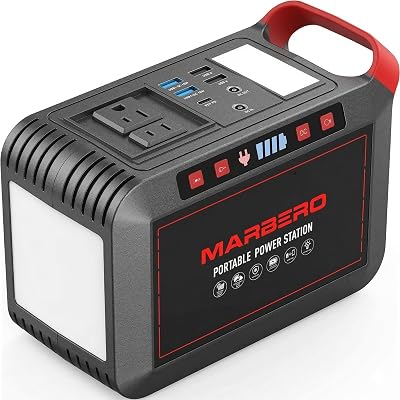
| Portable Power Station 300W MARBERO 237Wh Camping Sol… | MARBERO | ★ 4.2 | 8.7k | under $150 |
| MARBERO Solar Generator 111Wh Portable Power Station … | MARBERO | ★ 4.2 | 8.7k | under $150 |
Frequently Asked Questions
What does a generator transfer switch do? It connects your generator to your home’s electrical panel while isolating your house from the utility grid, letting you safely power household circuits without the risk of backfeeding power to the utility lines.
Do I really need a transfer switch? If you want to power your home’s hardwired circuits, like a furnace or well pump, from a generator, then yes. It is required by electrical code and prevents dangerous backfeed. Plugging appliances directly into the generator does not require one.
What is the difference between a transfer switch and an interlock kit? A transfer switch powers a fixed set of pre-wired circuits, while an interlock kit uses a sliding plate on your panel to give access to any circuit. Both are safe and code-compliant when professionally installed.
Can I install a transfer switch myself? It is strongly discouraged. Installation involves lethal voltages inside your electrical panel and must meet local codes and permit requirements. Hire a licensed electrician for safe, compliant installation.
What is the difference between a manual and automatic transfer switch? A manual switch is operated by hand during an outage and pairs with portable generators. An automatic transfer switch senses the outage and starts a standby generator on its own for hands-off whole-home backup.
Conclusion
A generator transfer switch is the safe, code-compliant bridge between your generator and your home’s wiring. It lets you power hardwired essentials while protecting line workers from deadly backfeed. Whether you choose a manual switch, an automatic system, or an interlock kit, have a licensed electrician handle the installation, and you will gain a reliable, worry-free way to keep your home running when the grid goes dark.
Related guide: See our Best Portable Power Stations for Backup Power in 2026 for the top picks and buying advice.
Top picks from this guide
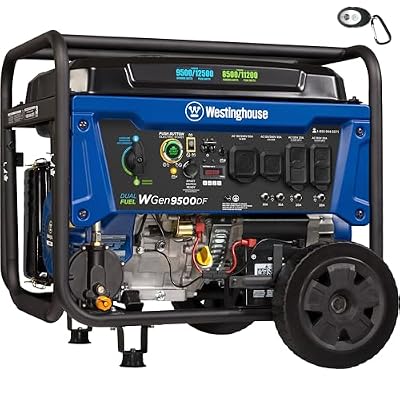 WestinghouseWestinghouse 12500 Watt Dual Fuel Home Backup Portable Generator, Remote…$999 \xc2\xb7 99/100
 MARBEROPortable Power Station 300W MARBERO 237Wh Camping Solar Generator Backup…$123 \xc2\xb7 99/100
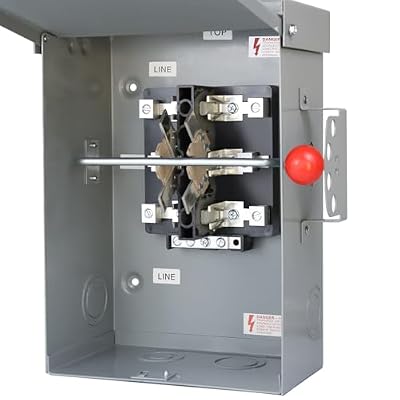 XMK100A Manual Transfer Switch for Generator,Manual Generator Transfer Switch$65 \xc2\xb7 98/100
 JackeryJackery Explorer 500 v2 Power Station, 512Wh/500W, AC Cable Included…$359 \xc2\xb7 97/100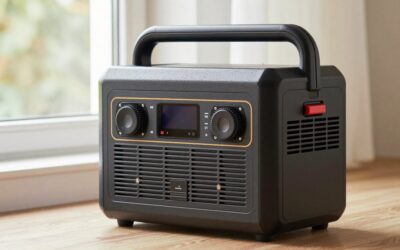








Write Your Review
No reviews yet. Be the first to share your experience!