
- Top Pick: Amazon Basics Aerobic Exercise Step Platform, Adjustable Workout Stepper for Home Fitness, 27", Black/Grey
- Best Value: BalanceFrom Adjustable Workout Aerobic Stepper Step Platform Trainer, Gray
- Premium Choice: 43'' Wide Adjustable Aerobic Step Platform – 4 Stackable Risers for Home Gym Cardio, Strength & Full-Body Training, Grey
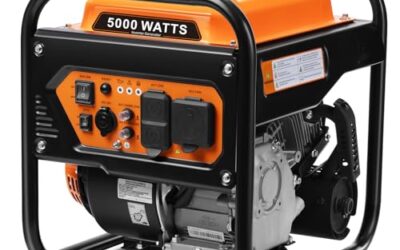
Owning a generator is only half the equation; connecting it to your home safely is the part that separates a smooth outage from a dangerous mistake. Every year emergency rooms and fire departments deal with the fallout of improvised hookups, from carbon monoxide poisoning to backfeeding that electrocutes utility linemen. The good news is that there are proven, code-compliant ways to power your house during an outage, and understanding them lets you make a safe choice long before the lights actually go out.
- Watch: How to Connect a Generator to Your Home: A Step-by-Step Guide — Video Review
- Method 1: Extension Cords (The Simplest Option)
- Method 2: A Manual Transfer Switch (The Gold Standard)
- Method 3: An Interlock Kit (Budget Transfer Solution)
- The One Thing You Must Never Do
- Tips
- Frequently Asked Questions
- Conclusion
- Related Articles
- Related Guides
This step-by-step guide walks through the legitimate methods for connecting a portable generator to your home, from the simplest extension-cord approach to a professionally installed transfer switch. We will cover what each method can power, the equipment involved, and the safety rules you must never break.
As an Amazon Associate we earn from qualifying purchases at no extra cost to you.




⚡ Save on Your Next PC — Amazon Prime
Prime members get fast free shipping on the systems above, plus early access to Prime Day & Black Friday PC deals. New members get a 30-day free trial.
Watch: How to Connect a Generator to Your Home: A Step-by-Step Guide — Video Review
Method 1: Extension Cords (The Simplest Option)
The most basic approach is running heavy-gauge outdoor extension cords from the generator directly to individual appliances. It requires no electrician and no permits, and it works fine for a fridge, a few lamps, and phone chargers. The limitation is obvious: you cannot power anything hardwired like a furnace or well pump, and cords snaking through a window are a trip hazard. Use only outdoor-rated 12- or 10-gauge cords sized to the load and keep the generator well away from the house.
Method 2: A Manual Transfer Switch (The Gold Standard)
A transfer switch is the safe, permanent solution. Installed next to your electrical panel by a licensed electrician, it lets you power selected circuits, furnace, well pump, key outlets, directly from the generator through a single inlet cord. Critically, it electrically isolates your home from the utility grid, which prevents backfeeding. Expect a professional installation, but this is the method electricians and code inspectors want you to use.
Method 3: An Interlock Kit (Budget Transfer Solution)
An interlock kit is a lower-cost cousin of the transfer switch. It is a mechanical plate on your main panel that prevents the main breaker and the generator breaker from being on at the same time, again eliminating backfeed risk. When installed to code by an electrician, it lets you power any circuit in the panel, giving more flexibility than a fixed transfer switch, though it demands more user discipline to manage loads manually.
The One Thing You Must Never Do
Never use a double-male “suicide cord” to plug a generator into a wall outlet. This backfeeds power into your home wiring and out to the grid, where it can electrocute utility workers restoring power and can energize your panel with lethal, unfused current. It is illegal, deadly, and the single most important mistake to avoid.
Tips
- Run it outside, always: Place the generator at least 20 feet from the house with the exhaust pointed away; carbon monoxide is odorless and kills indoors or in garages.
- Hire a licensed electrician: Transfer switches and interlock kits must be installed to code and often require a permit and inspection.
- Size the connection to the generator: Match the inlet, cord, and breaker ratings to your generator’s output so nothing overheats.
- Keep it dry: Use a generator tent or canopy so you can run it in rain without exposing outlets to water.
Frequently Asked Questions
Do I legally need a transfer switch?
In most jurisdictions, any permanent connection to your home’s wiring must go through a transfer switch or interlock kit installed to electrical code. Extension cords to individual appliances are the exception that needs no permit, which is why many people start there.
Can I install a transfer switch myself?
Working inside a live electrical panel is dangerous and usually requires a licensed electrician plus a permit and inspection. Unless you are qualified and your local code allows it, this is a job to hire out for both safety and insurance reasons.
How far from the house should the generator sit?
At least 20 feet, with the exhaust directed away from doors, windows, and vents. Carbon monoxide from a running generator can pool in garages and near walls, so distance and airflow are non-negotiable safety measures.
What is the difference between a transfer switch and an interlock kit?
A transfer switch powers a fixed set of pre-wired circuits, while an interlock kit lets you feed any circuit in the panel but requires you to manage loads manually. Both prevent dangerous backfeeding; the interlock is usually cheaper but demands more user attention.
Conclusion
Connecting a generator to your home safely comes down to choosing the right method for your needs and never cutting corners. Extension cords work for basic appliance backup, while a professionally installed transfer switch or interlock kit is the gold standard for powering hardwired equipment and whole circuits. Whatever you choose, run the generator far outside, respect the wiring code, and never touch a suicide cord. Do it right once, and every future outage becomes a minor inconvenience instead of a hazard.

Write Your Review
No reviews yet. Be the first to share your experience!