
- Top Pick: Westinghouse 6500 Watt Dual Fuel Home Backup Portable Generator, Transfer Switch Ready 30A Outlet, RV Ready 30A Outlet, CO Sensor
- Best Value: Westinghouse 14500 Peak Watt Tri-Fuel Home Backup Portable Generator, Remote Electric Start, Transfer Switch Ready, Gas, Propane, and Natural Gas Powered
- Premium Choice: DuroStar DS13000MX 13,000-Watt 500cc Dual Fuel Portable Generator – Gas and Propane, Remote Electric Start, Whole Home Power Backup, Transfer Switch Ready, RV & Emergency Ready
Hurricane season turns a generator from a nice-to-have into a genuine safety device. When a storm knocks out the grid for days, the difference between a home with power and one without is the difference between saved groceries, running medical equipment, and a working sump pump versus spoiled food, dark rooms, and a flooding basement. But hurricane readiness is a specific kind of preparedness: you are buying for multi-day outages, unpredictable fuel availability, and the worst possible conditions, which changes what matters compared to a casual camping generator.
This buying guide walks through how to choose a generator built for hurricane season, covering wattage for whole-home resilience, fuel strategy when gas stations lose power too, and the safety features that keep your family protected during extended use. Get these decisions right before the forecast turns, because the week a storm is named is the week generators sell out.
As an Amazon Associate we earn from qualifying purchases at no extra cost to you.


⚡ Save on Your Next PC — Amazon Prime
Prime members get fast free shipping on the systems above, plus early access to Prime Day & Black Friday PC deals. New members get a 30-day free trial.
Watch: Buying Guide: Choosing a Generator for Hurricane Season — Video Review
Size for Multi-Day Resilience
Hurricane outages last days, not hours, so prioritize a generator that runs your true essentials continuously. For most homes that means 6,500 to 12,500 watts, enough to power a refrigerator, freezer, sump pump, well pump, lights, fans, and device charging, and in larger units, a window or central air unit. Make a load list of what you cannot live without for a week, add the surge headroom for motors, and buy accordingly. A 6,500-watt unit covers essentials; 12,000-plus watts approaches whole-home capability.
Fuel Strategy When the Grid Is Down
The cruel irony of hurricanes is that gas stations need electricity to pump fuel, so gasoline can vanish exactly when you need it. This is why multi-fuel generators shine for storm duty. A dual-fuel unit runs on stored propane when gasoline runs out, and a tri-fuel model adds natural gas, tapping your home’s utility line for effectively unlimited runtime if the gas supply stays intact. Stock stabilized gasoline and several full propane tanks before the season starts.
Safety Features That Matter in a Storm
Extended operation raises the stakes on safety. A built-in carbon monoxide sensor that automatically shuts the generator down if CO builds up is close to essential, because storm conditions tempt people to run units too close to the house. Look also for a transfer-switch-ready 30-amp outlet for safe home connection, remote electric start so you can avoid pulling a cord in driving rain, and low-oil shutdown to protect the engine during long runs.
Prepare Before the Forecast
The worst time to learn how your generator works is during a category-three landfall. Test the unit before the season, install a transfer switch or interlock kit with a licensed electrician in advance, and read up on safe operation, several homeowner generator handbooks cover selection, wiring, and maintenance in plain language. Have your fuel stored, your cords and covers staged, and your load plan written down so setup during a storm is muscle memory, not improvisation.
Tips
- Buy early: Generators sell out the moment a storm is named; purchase and test yours well before hurricane season peaks.
- Run it outside, always: Keep the generator at least 20 feet from the house with exhaust pointed away; storms make CO poisoning tragically common.
- Protect it from rain: Use a generator tent or canopy so you can run it safely in wet weather without exposing outlets.
- Stock fuel and spares: Keep stabilized gasoline, full propane tanks, extra oil, and a spare air filter on hand before the season.
Frequently Asked Questions
What size generator do I need for a hurricane?
For essential resilience, most homes want 6,500 to 12,500 watts to run a fridge, freezer, sump pump, lights, and fans continuously. If you need to include air conditioning or a well pump, size toward the upper end and build your purchase around a written list of must-run loads.
Is a dual-fuel or tri-fuel generator better for storms?
Multi-fuel units are ideal because fuel availability is unpredictable after a hurricane. Dual-fuel adds propane backup when gasoline runs out, and tri-fuel adds natural gas from your utility line for potentially unlimited runtime, making them the smartest choice for extended storm outages.
How do I run a generator safely in a storm?
Always operate it outdoors at least 20 feet from the house with exhaust directed away, never in a garage or near windows. Use a CO-sensor-equipped unit, keep it dry under a proper canopy, and connect to your home only through a transfer switch installed by an electrician.
How much fuel should I store for hurricane season?
Plan for several days of runtime. Depending on your generator and load, that can mean 15-30 gallons of stabilized gasoline or multiple full propane tanks. Rotate gasoline yearly and keep propane sealed, since it stores indefinitely and is invaluable when stations cannot pump gas.
Conclusion
Choosing a generator for hurricane season means planning for the worst: multi-day outages, scarce fuel, and dangerous conditions. Size for your essential loads with room to spare, favor a dual-fuel or tri-fuel unit so you are never stranded without fuel, insist on safety features like a CO sensor and transfer-switch readiness, and get everything installed, stocked, and tested before the first storm forms. Preparation done in calm weather is what keeps your home safe when the sky turns.
Top picks from this guide
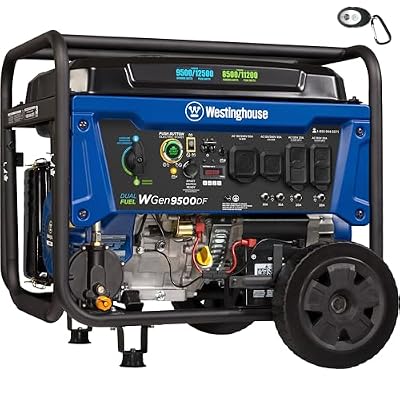 WestinghouseWestinghouse 12500 Watt Dual Fuel Home Backup Portable Generator, Remote…$999 \xc2\xb7 99/100
 DuroStarDuroStar DS13000MX 13,000-Watt 500cc Dual Fuel Portable Generator - Gas…$899 \xc2\xb7 98/100
 Independently publishedHome Generator Installation & Service Guide: The Complete Homeowner's Manual…$12 \xc2\xb7 97/100
 WestinghouseWestinghouse 14500 Peak Watt Tri-Fuel Home Backup Portable Generator, Remote…$1,499 \xc2\xb7 94/100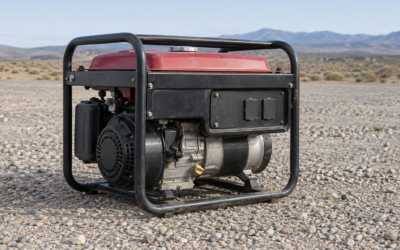
Write Your Review
No reviews yet. Be the first to share your experience!