
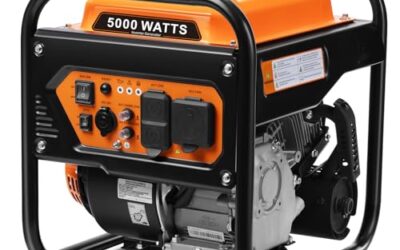
- Top Pick: Oxseryn Power Equipment 4400 Watts Inverter Generator Gas Powered, Portable Open Frame Generator, Low Noise with ECO Mode, RV Ready, Emergency Home Backup
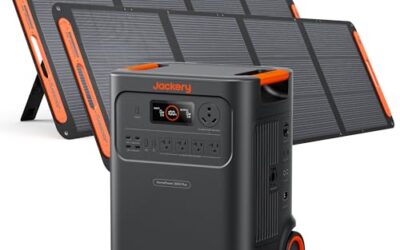
- Best Value: Jackery Explorer 1000 v2 Portable Power Station,1070Wh,1500W
- Premium Choice: DuroStar DS13000MX 13,000-Watt 500cc Dual Fuel Portable Generator – Gas and Propane, Remote Electric Start, Whole Home Power Backup, Transfer Switch Ready, RV & Emergency Ready
A portable generator is a serious investment, and like any engine-driven tool, it rewards regular care with years of dependable service. Neglect it, and you may find it will not start on the one night a storm takes your power out. The good news is that basic maintenance is simple and takes only minutes.
This guide covers the essential maintenance steps that keep gas, dual-fuel, and inverter generators running strong. From fuel management to oil changes and off-season storage, these habits protect your investment whether you own an Oxseryn open-frame unit, a DuroStar dual-fuel, or a Jackery power station.
As an Amazon Associate we earn from qualifying purchases at no extra cost to you.




⚡ Save on Your Next PC — Amazon Prime
Prime members get fast free shipping on the systems above, plus early access to Prime Day & Black Friday PC deals. New members get a 30-day free trial.
Watch: How to Maintain Your Portable Generator for Longevity — Video Review
Manage Your Fuel Properly
Stale gasoline is the number one cause of generator no-starts. Gas degrades in as little as 30 days, gumming up the carburetor. Always add a fuel stabilizer when storing gas-powered units like the Oxseryn 4400W or DuroStar DS13000MX, and run the generator dry or drain the tank before long-term storage. Dual-fuel owners can sidestep much of this by storing on propane, which does not degrade.
Change the Oil on Schedule
Fresh oil is the lifeblood of your engine. Change it after the first 20 to 30 hours of a new generator’s life to remove break-in metal, then every 50 to 100 hours or once a season after that. Check the level before every use, since running low on oil can seize the engine — many units have a low-oil shutoff, but do not rely on it as your only safeguard.
Keep the Air Filter and Spark Plug Clean
A clogged air filter starves the engine and wastes fuel, while a fouled spark plug causes hard starting and rough running. Inspect the air filter every few uses and clean or replace it when dirty. Check the spark plug annually, cleaning off deposits or replacing it if the electrode is worn. These cheap parts have an outsized effect on reliability.
Exercise and Store It Correctly
Generators, including power stations like the Jackery Explorer 1000 v2, benefit from regular use. Run a gas generator under light load for 20 to 30 minutes every month to keep seals lubricated and the battery charged. Store units in a dry, ventilated space off the bare ground, and keep power stations charged to around 60 to 80 percent for battery health.
Tips
- Log your run hours so you know exactly when oil and filter service is due.
- Keep a maintenance kit on hand with oil, a spare spark plug, an air filter, and fuel stabilizer.
- Never refuel a hot or running generator; let it cool to avoid fire risk.
- For battery power stations, avoid leaving them fully drained for long periods, which shortens battery life.
Frequently Asked Questions
How often should I change my generator’s oil?
Change it after the first 20 to 30 hours, then every 50 to 100 hours of use or at least once per season, whichever comes first.
Why won’t my generator start after sitting all winter?
The most common culprit is stale fuel gumming up the carburetor. Using fuel stabilizer and draining the tank before storage prevents this.
Should I run my generator even when I don’t need it?
Yes. Running it under light load for about 30 minutes each month keeps the engine lubricated, the fuel fresh, and the starter battery charged.
How do I store a battery power station long term?
Keep it charged to roughly 60 to 80 percent, store it in a cool dry place, and top it off every few months to preserve battery health.
Conclusion
A little routine care goes a long way toward generator longevity. Manage your fuel, change the oil on schedule, keep the filter and plug clean, and exercise the unit monthly. Follow these habits and your portable generator — gas, dual-fuel, or battery — will start reliably and serve you for many years, exactly when you need it most.
Top picks from this guide
 Aceup EnergyAceup Energy 1,200W Gas Powered Generator, Small Portable Generator for…$160 \xc2\xb7 99/100
 JackeryJackery Explorer 1000 v2 Portable Power Station,1070Wh,1500W$469 \xc2\xb7 98/100
 SIOKIUUSIOKIUU 2500W Portable Generator Super Quiet Inverter Generator Ultra Lightweight…$313 \xc2\xb7 98/100
 DuroStarDuroStar DS13000MX 13,000-Watt 500cc Dual Fuel Portable Generator - Gas…$899 \xc2\xb7 98/100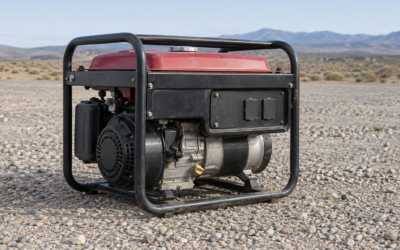


Write Your Review
No reviews yet. Be the first to share your experience!