
🛒 Best Price Today on Amazon
Prime members get fast, free shipping on everything above, plus member-only deals. New members get a 30-day free trial — cancel anytime.
Wildfire-season blackouts come in two forms: unplanned outages when fire damages lines, and planned public safety power shutoffs, where utilities de-energize lines during high wind and low humidity to prevent their equipment from sparking a fire. Planned shutoffs usually arrive with 24 to 48 hours of notice and often last one to five days. That notice, combined with hot, dry, smoky conditions and the possibility of evacuation, makes this scenario very different from storm prep. The right answer depends on heat, smoke, how long you stay, and whether running an engine outdoors adds fire risk.
What loads matter during a fire-weather shutoff
Smoke and heat dominate. Keeping one room with clean air and moderate temperature is the priority, followed by refrigeration and communications.

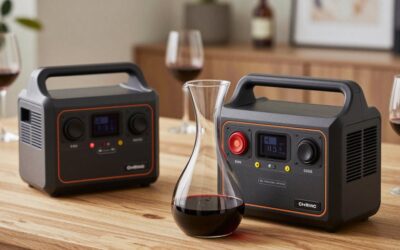
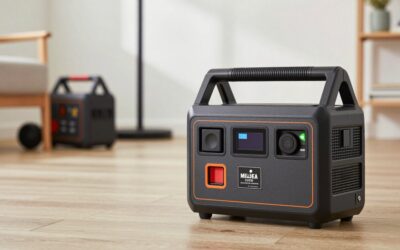
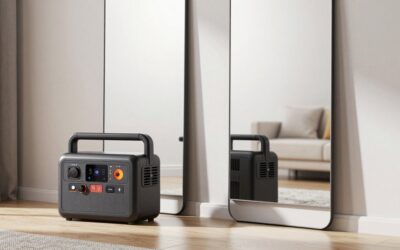
P5000 Plus 5120Wh Portable Power Station, 3600W Solar Generator
Included for 'Best Power Solution for Wildfire Season Blackouts: Generator or Power Station?' because the listing specifies 3600W Solar Generator, details this guide uses to compare options.
View on Amazon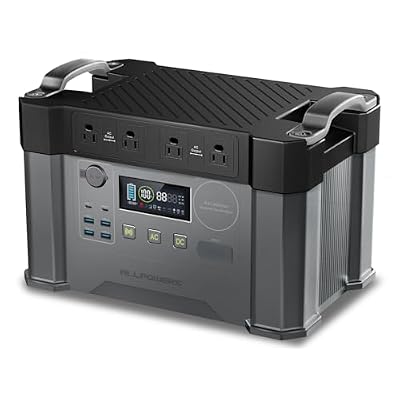
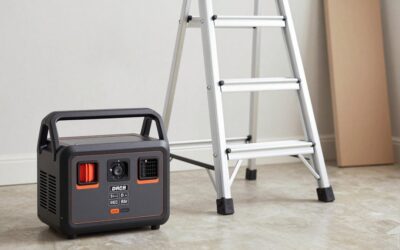
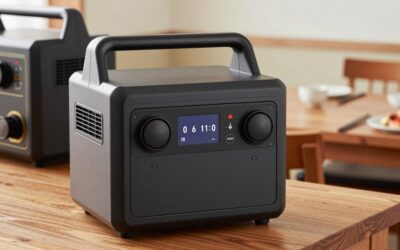
ALLPOWERS S2000 PRO Portable Power Station, 1452Wh 2400W Solar Generator
Included for 'Best Power Solution for Wildfire Season Blackouts: Generator or Power Station?' because the listing specifies 1452Wh 2400W Solar Generator, details this guide uses to compare options.
View on Amazon| Load | Running watts | Daily energy (approx.) |
|---|---|---|
| HEPA air purifier (medium speed) | 30–80W | 0.5–1.5 kWh (18–20 h) |
| Refrigerator | 100–250W cycling | 1.0–2.0 kWh |
| Box fan or tower fan | 40–100W | 0.4–1.0 kWh (10 h) |
| Portable AC or window AC | 600–1,200W | 4–9 kWh (8 h) |
| Router, phones, radio, lights | 30–80W | 0.4–0.8 kWh |
| Well pump (if rural) | 1,000–1,500W | 0.5–1.5 kWh |
Without air conditioning, a household can get by on roughly 2.5 to 4.5 kWh per day, which is within reach of a large power station plus solar. With AC, needs jump to 7 to 12 kWh.
Why power stations fit wildfire shutoffs well
The notice window lets you fully charge a station before the shutoff begins, which is not always possible in a hurricane. Stations run air purifiers and fans silently indoors with windows closed, which is exactly what you want when outside air quality is poor. They produce no sparks, no hot exhaust, and no fuel vapors, so they add nothing to fire risk around a dry property. They also go with you if an evacuation order comes; a 1,000 to 2,000Wh unit fits in a car trunk.
The solar complication
Heavy smoke can cut solar output dramatically. During thick smoke events, panel output can fall 30 to 60 percent or more compared with a clear day. Plan on solar as a supplement rather than a guarantee during active fire periods.
Where a generator still earns a place
For shutoffs lasting three to five days in hot inland regions, air conditioning becomes a health issue, especially for elderly household members. A 3,500 to 4,500W inverter generator can run a window AC, fridge, and purifier all day on 3 to 5 gallons of fuel. Rural homes with well water also need the surge capacity for a pump that most mid-size stations cannot deliver.
Fire-safety rules for running an engine
During red flag conditions, a generator must be set on a noncombustible surface like gravel, concrete, or bare soil, with at least 10 to 15 feet of clearance from dry grass and brush. A working spark arrestor is essential, and in some jurisdictions required for any engine on or near wildland. Refuel only after the engine cools, and store gasoline in approved cans away from the house in shade. Check local fire restrictions, because some areas limit equipment use during extreme fire danger.
Comparing the two across a three-day shutoff
| Factor | Inverter generator (3,500–4,500W) | Power station (2,000–3,600Wh) + 400W solar |
|---|---|---|
| Runs AC all day | Yes | No, 2–5 hours |
| Runs purifier and fans 24/7 | Yes | Yes |
| Adds ignition risk | Small, manageable with arrestor and clearance | None |
| Use indoors with windows sealed | No | Yes |
| Evacuation-ready | Heavy, fuel is hazardous in car | Yes |
| Energy source during smoke | Stored fuel | Pre-charge plus reduced solar |
Recommended setups by household
Urban or suburban, no well, tolerable heat
A 2,000 to 3,600Wh power station fully charged before the shutoff, plus 200 to 400W of panels, runs purifiers, fans, fridge, and communications for two to three days. This is the cleanest and simplest plan.
Hot inland areas or medically vulnerable occupants
Pair the station with a 3,500W-class inverter generator for daytime cooling and station recharges, running the generator only on cleared ground with a spark arrestor.
Rural properties with a well
A larger generator in the 5,000 to 7,500W class handles the well pump, and the station covers overnight loads and evacuation.
FAQ
How much notice do utilities give before a public safety power shutoff?
Many utilities aim to notify customers 24 to 48 hours in advance, with updates as conditions change, though notice can be shorter when forecasts shift quickly. Sign up for your utility’s alerts and charge everything as soon as a watch is issued.
Can a power station run a portable air conditioner?
Briefly. A 1,000W portable AC can run about 1.5 to 3 hours on a 2,000 to 3,600Wh station, which is useful for cooling a bedroom before sleep but not for all-day use.
Bottom line
For most households in fire country, a large power station charged ahead of the shutoff is the best primary tool: silent, spark-free, indoor-safe, and portable if you must evacuate. Add an inverter generator only if you need all-day air conditioning or a well pump, and run it on cleared, noncombustible ground with a working spark arrestor.

Write Your Review
No reviews yet. Be the first to share your experience!