
🛒 Best Price Today on Amazon
Prime members get fast, free shipping on everything above, plus member-only deals. New members get a 30-day free trial — cancel anytime.
Thermal solar power stations generate electricity by collecting solar heat and converting that heat into mechanical and then electrical power. They belong to a different category from the portable battery boxes commonly advertised as solar generators. Understanding that difference is the first step toward finding the information or equipment you actually need.
A list of portable batteries, charging cables and small solar maintainers cannot be a meaningful ranking of thermal solar power plants. This guide explains the main technologies and offers a practical comparison worksheet. It does not rank operating plants, quote construction prices or claim that a consumer battery kit is a concentrating solar-thermal installation.
Follow the energy path
In a concentrating solar-thermal power system, reflectors direct sunlight toward a receiver. The collected heat is used in a power-conversion process that drives an electrical generator. Many systems use a heated fluid and steam turbine. The defining feature is the heat stage, not simply the fact that the equipment sits in sunlight. DOE: concentrating solar-thermal power basics.
For a first reading of any project description, underline three things: what collects the sunlight, what receives the energy, and what produces electricity. If the description only names photovoltaic panels, a charge controller and a battery, it is describing a different energy path. This simple reading exercise is more useful than relying on a product’s marketing name.
Solar thermal, PV and solar heating compared
Category / Energy pathway / What to look for in the description
- Concentrating solar-thermal electricity
-
Energy pathway: Sunlight to heat to electricity
What to look for in the description: Reflectors, receiver and a heat-driven generator
- Photovoltaic electricity
-
Energy pathway: Sunlight converted by PV cells
What to look for in the description: Modules or arrays and electrical conversion equipment
- Solar water or space heating
-
Energy pathway: Sunlight collected as useful heat
What to look for in the description: Heat collectors and the system delivering that heat
- Portable solar charging kit
-
Energy pathway: PV panel supplies electrical charging input
What to look for in the description: Panel, compatible charging system and any included battery
Photovoltaic cells convert sunlight into electrical energy. Cells form modules, and modules can be combined into arrays. Complete PV systems include additional equipment; panels alone are not the entire installation. This is the basis for distinguishing PV electricity from a heat-driven generating process. DOE: photovoltaic technology basics.
Solar heating is another distinct use. A collector can provide heat for water or a building without generating electricity. Calling all solar collectors “power stations” hides the difference between useful heat and electrical output. EIA describes both active and passive solar heating, including systems that move heated air or liquid. EIA: solar thermal collectors.
Recognize the main concentrating designs
The main families include linear concentrating systems, power towers and dish-engine systems. Linear designs focus sunlight along a receiver; towers collect reflected sunlight at an elevated receiver; dish systems concentrate it at a receiver associated with an engine. These labels identify the physical arrangement, not a universal ranking from best to worst. EIA’s technology overview.
When you compare two descriptions, first establish whether you are comparing similar designs. A photograph of a tower and a photograph of a field of troughs tell you something about geometry, but they do not establish cost, annual output or reliability. Those conclusions require project-specific evidence rather than a more dramatic image or a larger headline number.
Create a small record for each project you research: its exact name, location, technology family, source date and the status described by that source. Keep planned capacity separate from reported operation. An older announcement can be useful background while still being insufficient evidence of what a facility is doing today.
Understand what storage means
Some solar-thermal systems include thermal energy storage. Stored heat can support electricity generation after collection, including beyond daylight hours. Whether that happens, and for how long, depends on the specific plant and its storage design; storage is not an automatic feature of every solar installation. EIA: storage in solar thermal plants.
In your comparison notes, separate the collection system, storage system and power-conversion equipment. Ask what is being stored and what output the quoted figure describes. Avoid placing a thermal-storage figure beside an electrical-output figure as if the labels were interchangeable. If a project description does not define its units or the conditions behind a claim, record that information as missing instead of supplying an optimistic assumption.
Six questions for evaluating a project description
- What is the technology? Find an explicit explanation of the collection and conversion process. Do not infer it from the word solar alone.
- What is the evidence date? Record whether the source is an old proposal, a commissioning announcement or a current operational report.
- What does the output figure measure? Preserve the stated units and whether the figure refers to design capacity or actual generation.
- Is storage included? Identify the storage description and any conditions attached to the advertised duration.
- What is the comparison boundary? Check whether costs include the same equipment and project stages before treating them as comparable.
- Which claims remain unverified? Keep a visible list rather than allowing gaps to disappear into a neat ranking.
These questions are a reading framework, not an engineering assessment. They help you recognize when two attractive summaries are answering different questions. A useful comparison can conclude that the evidence is incomplete; it does not need to force every project into first, second and third place.
If your real goal is portable backup power
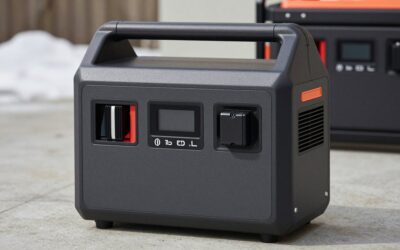
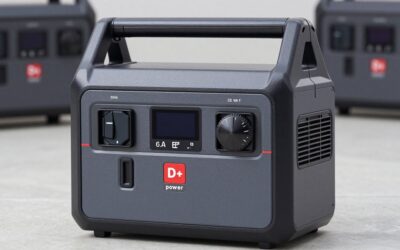
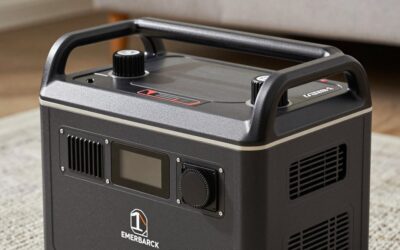
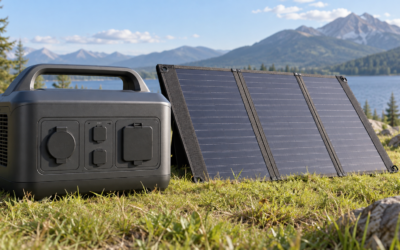
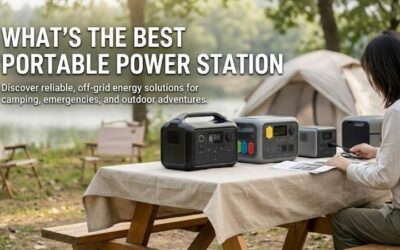
A reader searching for a solar power station may actually want to keep a laptop or other small equipment running away from mains electricity. In that case, switch to a portable battery and solar-charging comparison. Keep that purchasing decision separate from research about heat-driven power plants.
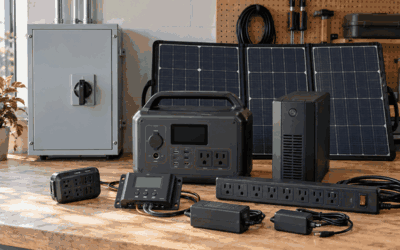
Before comparing offers, write down the equipment you want to supply, where you will use it and which components you already own. Then use each manufacturer’s documentation to check the exact battery model, supplied accessories and charging requirements. A standalone panel, cable or battery maintainer should not be counted as a complete portable power station merely because its listing mentions compatible power stations.
Do not assume that two connectors with a similar appearance establish compatibility. Ask for documented compatibility of the actual products under consideration. This article does not approve an electrical combination or supply installation instructions; those details belong in the relevant manufacturer’s documentation and, where appropriate, a qualified installer’s assessment.
A worksheet that keeps categories clear
For each item or project, fill in these fields: intended use; energy-conversion process; included equipment; source URL; source date; claimed output with units; storage description; unresolved questions. Leave a field blank if you cannot establish it. The blanks show where further research is needed.
For example, a listing that clearly describes only a foldable PV panel can fill in the collection technology and supplied equipment. It cannot fill in an included battery capacity unless a battery is actually specified. Similarly, a project announcement about a thermal plant is not a shopping offer for a portable generator. Matching the evidence to the question prevents both errors.
Common questions
Does solar thermal always mean electricity? No. Solar heat can serve heating applications directly. Look for a heat-to-electricity conversion process when the subject is a power station.
Is a solar-charged battery a thermal power station? A PV charging input and battery storage do not establish a thermal generating process. Classify the equipment from its documented components.
Can I choose the best thermal station from an online retail list? Such a list is unlikely to answer a project-level technology question. Start with technical descriptions and dated operational evidence. For portable equipment, use a separate product comparison suited to that task.

Write Your Review
No reviews yet. Be the first to share your experience!