Power Station vs Generator: What to Buy on Black Friday
Power station vs generator: use this Black Friday decision guide to match outage length, load size, noise and fuel rules before the sale weekend starts.
Quick answer: Our top pick is EcoFlow DELTA 2 — the short-outage station, with Jackery Explorer 1000 v2 — the apartment-friendly station as a strong alternative.
A portable power station is a large rechargeable battery with a built-in inverter. It stores energy in watt-hours, releases it silently through ordinary outlets, and refills from a wall socket, a vehicle, or solar panels. A portable generator makes electricity on demand by burning fuel in a small engine. It stores nothing, but as long as fuel is available it can keep producing power for days, and an inverter generator does that with clean output that is safe for electronics.
As an Amazon Associate, we earn from qualifying purchases.
Black Friday pushes both categories at the same time, with the same urgency. That pressure hides the real question, which is not which machine is better but which failure you are actually preparing for. A battery that runs a fridge for one night and an engine that runs a well pump for three days are different tools. Decide by the outage you expect, the loads you refuse to lose, and the rules of your building, and the right category usually picks itself.
This article contains affiliate links, and if you buy through one of them we may earn a commission at no extra cost to you.
Quick Answer
Choose a power station if your outages are short, your loads are lights, phones and a fridge, or your home bans fuel and engine noise. Choose an inverter generator if outages run long, or you must run a well pump, furnace blower or air conditioner. Many homes with medical devices or mixed needs end up buying both, in stages.
Decide by Outage Profile
Short Outages: Lights, Phones and the Fridge
If your grid failures last a few hours and your goal is to keep the refrigerator cold, the lights on and phones charged, a mid-size power station covers the whole event without leaving the living room. A fridge cycles on and off rather than drawing its rated watts all day, so a station in the one-kilowatt-hour class stretches further than the raw numbers suggest. There is nothing to start, nothing to refuel, and no exhaust to manage in the dark. Verdict: power station.
Long Outages and Big Loads
Multi-day outages after storms change the maths completely. A battery is a fixed bucket of energy, and once it is empty it needs the grid, a vehicle or a good day of sun to refill. A generator refills from a fuel can in minutes. Big motor loads widen the gap further: a well pump, a furnace blower or a window air conditioner can drain a large station in hours, while a mid-size inverter generator carries them in rotation for as long as fuel lasts. Verdict: generator.
Apartments, Condos and Noise Limits
Engines cannot run indoors, on a balcony, or anywhere near a neighbour’s window, and many leases and condo rules ban fuel storage outright. A power station has none of those problems. It sits in a closet, charges from the wall, and runs in silence through the night. If you rent, or your building restricts engines and gasoline, this profile is not a preference, it is a constraint that settles the question. Verdict: power station.
Medical Devices and Sensitive Electronics
Home medical equipment such as a CPAP machine needs two things at once: clean sine-wave power and quiet overnight running. A power station delivers both by design, and many models switch over fast enough to act as a backup supply beside the bed. An inverter generator also produces clean power, but it is still an engine outside a window. Where overnight silence matters most, the battery wins; where the device must run for many nights, plan on both. Verdict: power station first, generator as backup.
The Shortlist for Each Path
EcoFlow DELTA 2 — the short-outage station
Top Pick
EcoFlow DELTA 2 — the short-outage station
Capacity: 1024Wh, LiFePO4 battery
AC output: 1800W, with X-Boost mode up to 2700W as EcoFlow states it
Recharge inputs: AC charging up to 1200W; solar input up to 500W; car charging cable supported
Expansion: accepts a DELTA 2 extra battery, doubling capacity to 2048Wh
EcoFlow rates the DELTA 2 at 1024Wh, which is the size class that handles an evening of lights, devices and fridge cycling without rationing. It recharges from the wall far faster than older stations, so it is ready again quickly between short outages.
At under 24 lb, the Explorer 1000 v2 is the easiest of these machines to store in a small home and carry down stairs. Its app-controlled quiet charging mode suits overnight top-ups in a bedroom or studio.
The AC200L stretches the station path toward generator territory: double the capacity of the one-kilowatt-hour class, a stronger inverter, and expansion batteries for households that want battery silence with a longer runway, including medical-device users planning for a second night.
The EU2200i is the reference point for quiet inverter generators. It will not run a whole house, but rotated between a fridge, a furnace blower and lights it covers the loads that matter through a long outage, refuelling from a can each time.
The WEN delivers the same running watts as the Honda class in a quiet, one-person-carry package, with a fuel shutoff that helps storage between storm seasons. It suits the long-outage profile for buyers who prioritise low noise and easy handling.
The decisions that matter are not timed to a sale clock. Machine type, size class and fuel are worth settling now, before the weekend, because they depend on your home and your loads, and no offer changes them. If your outage profile points clearly at a station or clearly at a generator, that answer will still be right in a month.
What can wait is the exact model check. Black Friday offers change quickly and bundles appear and disappear across the weekend, so check the Amazon product page for the current price and any live offers before you commit. Read the listing for the specific variant, because capacity, included panels and extra batteries differ between versions of the same model name. If your first choice is unavailable, the runner-up in the same size class beats a rushed jump to a different class.
How to Choose
Start with the two numbers that are most often confused. Watts describe how much power a machine can deliver at one moment, and they decide whether a load will start and run at all. Watt-hours describe how much energy a station holds, and they decide for how long. A generator is bought mainly on watts plus fuel runtime; a station is bought on both, and buyers who shop on watts alone end up with a battery that runs their fridge beautifully for three hours.
Next, write down the recharge or refuel plan. A station in a home without solar needs a realistic wall-charging window between outages, or a vehicle charging plan. A generator needs legal, ventilated fuel storage and a rotation habit so the gasoline stays fresh. Finally, decide where the machine will live. A station belongs indoors, near the loads it serves. A generator belongs outdoors, well away from windows, with a heavy-duty extension cord rated for the load reaching inside. If you have no safe outdoor spot, that fact alone chooses the station.
Who Should Skip
Skip both if your grid rarely fails and your fridge contents are the only loss. A small battery pack for phones, a cooler and a plan for eating out covers most households through a short outage, and Black Friday urgency is not a reason to store a machine you will use once in five years.
Skip the portable options entirely if what you actually need is automatic whole-home backup: air conditioning, well pump and furnace together, starting on their own at 2 a.m. That is a standby generator with a transfer switch and professional installation, a different purchase from a different kind of seller. Portables bought as a substitute will disappoint you in the first long outage.
FAQ
Can a power station run a refrigerator overnight?
Yes, in most cases. A typical fridge cycles rather than running constantly, and a station around 1000Wh or larger usually covers a night of fridge use plus lights and phone charging. Check your fridge’s rated watts against the station’s output, and keep the door closed.
Can I run a generator in my garage with the door open?
No. Generators produce carbon monoxide and must run outdoors, far from windows and doors, even in bad weather. If you have no safe outdoor placement, that is a strong reason to choose a power station instead.
Do I need an inverter generator, or is a conventional one fine?
For phones, laptops, modern TVs and medical devices, choose an inverter model. Inverter generators produce clean sine-wave power that matches what sensitive electronics expect, and they are usually much quieter than conventional open-frame machines.
Should I buy a station now and a generator later?
That staged approach suits many homes. The station covers short outages, apartment rules and overnight medical use immediately, and a generator can be added later if a long outage exposes the gap. Buy the station size you need on its own merits, not as a placeholder.
Final Verdict
Match the machine to the outage, not to the loudest offer. Short outages, rented homes and overnight medical loads point to a power station, and the DELTA 2, Explorer 1000 v2 and AC200L cover that path from compact to expandable. Long outages and motor loads point to an inverter generator, and the EU2200i and 56225i cover it quietly. Settle the type and size class first, then check the product page for the current price and any live offers.
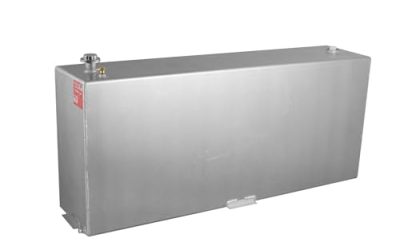
Compare the best truck bed fuel transfer tanks — RDS aluminum vertical, rectangular and toolbox-combo tanks plus a JohnDow poly tank with a 12V pump — by capacity, footprint, fuel type and pump setup.
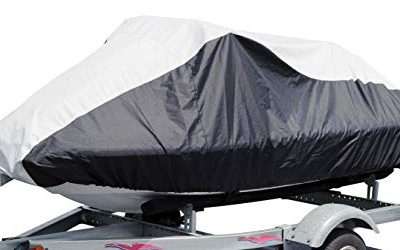
Compare 5 jet ski covers for outdoor storage, from 600D universal covers to a model-specific 1000D cover, with sizing, vents, straps and waterproofing explained.


 Honda EU2200i — the long-outage generator
 WEN 56225i — the lighter generator alternative



Write Your Review
No reviews yet. Be the first to share your experience!