
⚡ Key Takeaways
- How Each Fuel Works in a Generator
- Power Output and Efficiency
- Storage and Shelf Life
- Availability During an Emergency
- Cleanliness and Engine Maintenance
- Cold Weather Performance
- Cost Considerations
- Safety and Handling of Each Fuel
- Real-World Runtime Comparison
- Connecting Either Generator to Your Home
- Related Guides
- Frequently Asked Questions
- Conclusion
- Related Articles

Prime
Best Seller
Westinghouse 12500 Watt Dual Fuel Home Backup Portable Generator, Remote Electric Start, Transfer Switch Ready, Gas and Propane Powered

Save $180.00

Save $40.01
Dropped $23.51

Save $200.00
- Gasoline generators draw fuel from an onboard tank into a carburetor where it mixes with air for combustion.
- Gasoline carries more energy per gallon than propane, so a generator typically produces slightly higher wattage on gas than on propane, often around 10 percent more.
- Gasoline degrades within weeks to months and demands fuel stabilizer, careful rotation, and approved containers that you must keep refilling.
- During a widespread outage, gas stations often lose power too, leaving pumps inoperable and lines long.
Choosing between propane vs gas generator power is one of the first big decisions you will face as a backup-power buyer, and it shapes everything from runtime to storage to how cleanly your generator runs. Both fuels are proven, widely available, and capable of powering your home through an outage, but they behave very differently in real life. Gasoline delivers slightly more power and is easy to top off anywhere, while propane stores indefinitely and burns cleaner with far less maintenance. This guide compares the two fuels head to head across the factors that actually matter so you can pick the right one for your situation.
🛒 Best Price Today on Amazon
Prime members get fast, free shipping on everything above, plus member-only deals. New members get a 30-day free trial — cancel anytime.
Quick answer: Our top pick in 2026 is the Power output — our #1 rated choice. See the full ranked comparison, alternatives and buying advice below.
How Each Fuel Works in a Generator
Gasoline generators draw fuel from an onboard tank into a carburetor where it mixes with air for combustion. They are the default for most portable units and offer strong power output for their size. Propane generators run on liquefied petroleum gas supplied from an external tank, the same kind used for a backyard grill or a large home tank. Propane is delivered as a vapor through a regulator into the engine. Many modern generators are dual fuel, able to run on either source, but here we focus on the core trade-offs between the two fuels themselves.
Power Output and Efficiency
Gasoline carries more energy per gallon than propane, so a generator typically produces slightly higher wattage on gas than on propane, often around 10 percent more. If you are running your generator near its maximum capacity, that margin can matter. Propane, by contrast, burns a bit more volume to deliver the same output, but it does so more cleanly. For most homeowners powering essentials rather than maxing out the generator, the difference in output is minor and rarely decisive on its own.
Storage and Shelf Life
This is where the two fuels diverge most dramatically. Gasoline degrades within weeks to months and demands fuel stabilizer, careful rotation, and approved containers that you must keep refilling. Propane, on the other hand, never goes bad. A sealed propane tank can sit in your garage or yard for years and still be ready the moment you need it. For anyone whose generator may sit unused for long stretches between emergencies, propane’s indefinite shelf life is a powerful advantage.
| Factor | Gasoline | Propane |
|---|---|---|
| Power output | Slightly higher | Slightly lower |
| Shelf life | 3–6 months (stabilized) | Indefinite |
| Availability during outage | Common but pumps may be down | Pre-stored tanks always ready |
| Clean burning | Moderate | Very clean |
| Cold-weather starting | Reliable | Harder in deep cold |
| Engine maintenance | More (carburetor gumming) | Less |
Availability During an Emergency
During a widespread outage, gas stations often lose power too, leaving pumps inoperable and lines long. If you have not stockpiled gasoline in advance, you may be unable to refuel. Propane sidesteps this problem entirely when you keep spare tanks on hand, because a stored tank is ready power waiting in your yard. That said, refilling propane tanks also requires open suppliers, so the smart move with either fuel is to store enough ahead of time.
Cleanliness and Engine Maintenance
Propane burns cleaner than gasoline, producing fewer carbon deposits and no varnish or gum to clog the carburetor. This means less frequent maintenance and fewer no-start headaches after long storage. Gasoline engines need more attentive upkeep, especially around the carburetor and fuel system, where stale fuel causes most problems. Regardless of fuel, keeping spare filters, plugs, and oil from a generator maintenance kit on hand keeps your engine running at its best.
Cold Weather Performance
Gasoline generally starts more reliably in very cold conditions. Propane vaporizes less readily as temperatures drop, which can make starting harder in deep winter cold, though many units handle typical freezing temperatures fine. If you live in a region with brutal winters and rely on your generator for heat, this is worth weighing in gasoline’s favor or planning around with proper tank placement and cold-weather accessories.
Cost Considerations
Per unit of energy, gasoline and propane prices fluctuate and vary by region, so neither is consistently cheaper. Gasoline is sold by the gallon at stations everywhere, while propane is bought as tank refills or exchanges. Factor in propane’s longer shelf life, which means less wasted fuel, and gasoline’s wider pump availability. For many households the real cost difference comes down to convenience and waste rather than the raw price at the pump.
Safety and Handling of Each Fuel
Both fuels demand respect, but they pose different hazards. Gasoline is highly volatile and its vapors are heavier than air, so they can travel along the ground to an ignition source and flash back. It must be stored in approved containers, kept away from heat and sparks, and never poured into a hot or running generator. Spills are a real fire risk and the fumes are harmful to breathe. Because gasoline degrades, old fuel also becomes a disposal concern.
Propane is stored under pressure in sealed tanks, which makes it stable and non-degrading, but the pressurized tank itself requires care. Tanks must be kept upright, stored outdoors rather than in a closed basement or living space, and inspected for leaks at the connection using soapy water, never a flame. A propane leak is detectable by its added odor, giving you a warning that gasoline vapors do not. Both fuels produce carbon monoxide when burned, so the cardinal rule of outdoor-only operation applies equally regardless of which you choose.
Real-World Runtime Comparison
For practical planning, think about how each fuel translates into hours of power. A common setup runs a mid-size generator on a 20-pound propane tank, the familiar grill-style cylinder, which typically yields several hours of runtime at moderate load before needing a swap. Keeping three or four of these tanks on hand gives you a substantial, non-perishable reserve ready at any time. Gasoline, by contrast, offers convenient onboard tank capacity and easy top-offs during operation, but every gallon you store is on a clock before it degrades. Many households conclude that the ideal approach is to keep a modest, rotated gasoline supply for immediate convenience alongside several propane tanks for long-term, worry-free backup, which is exactly the flexibility a dual fuel generator provides.
Connecting Either Generator to Your Home
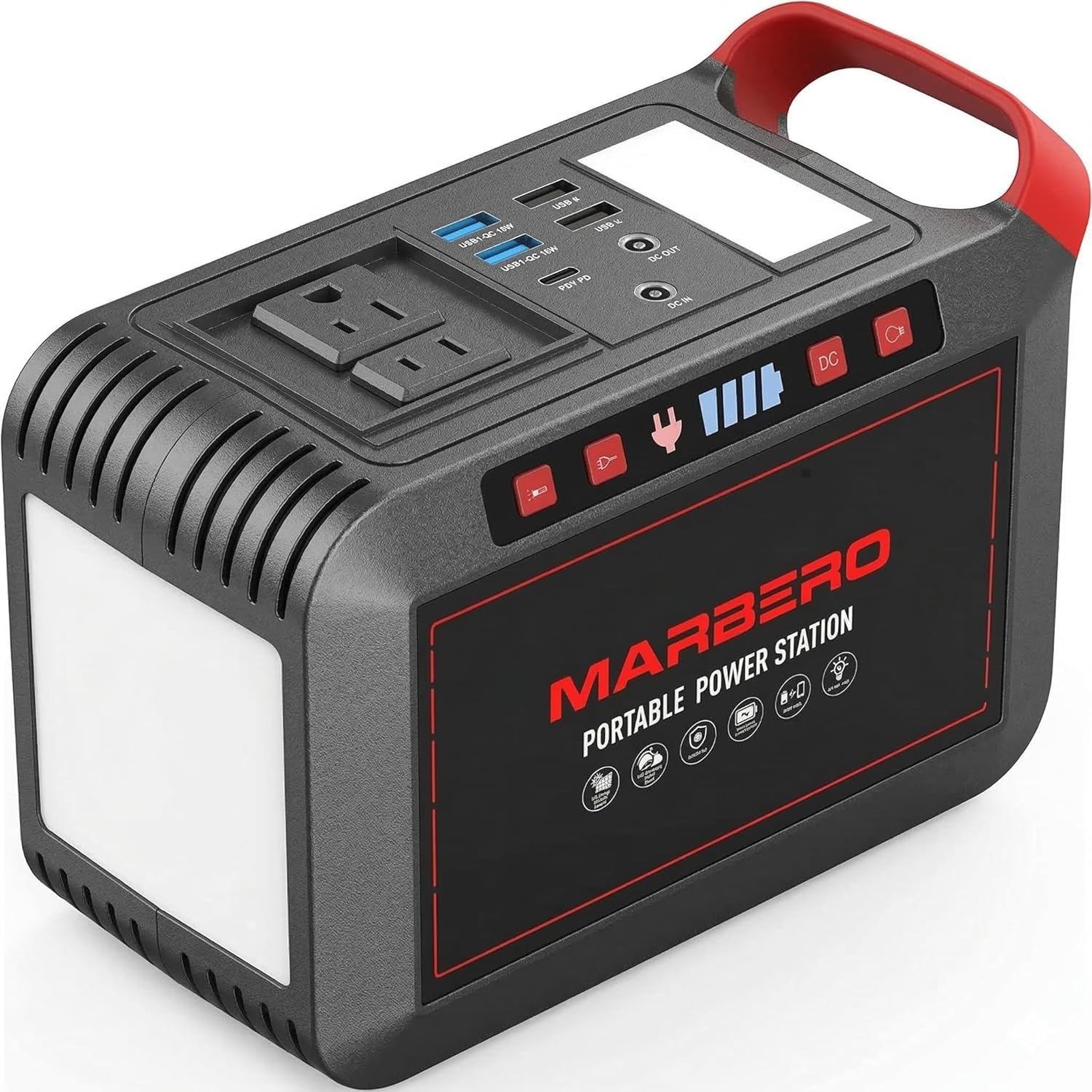
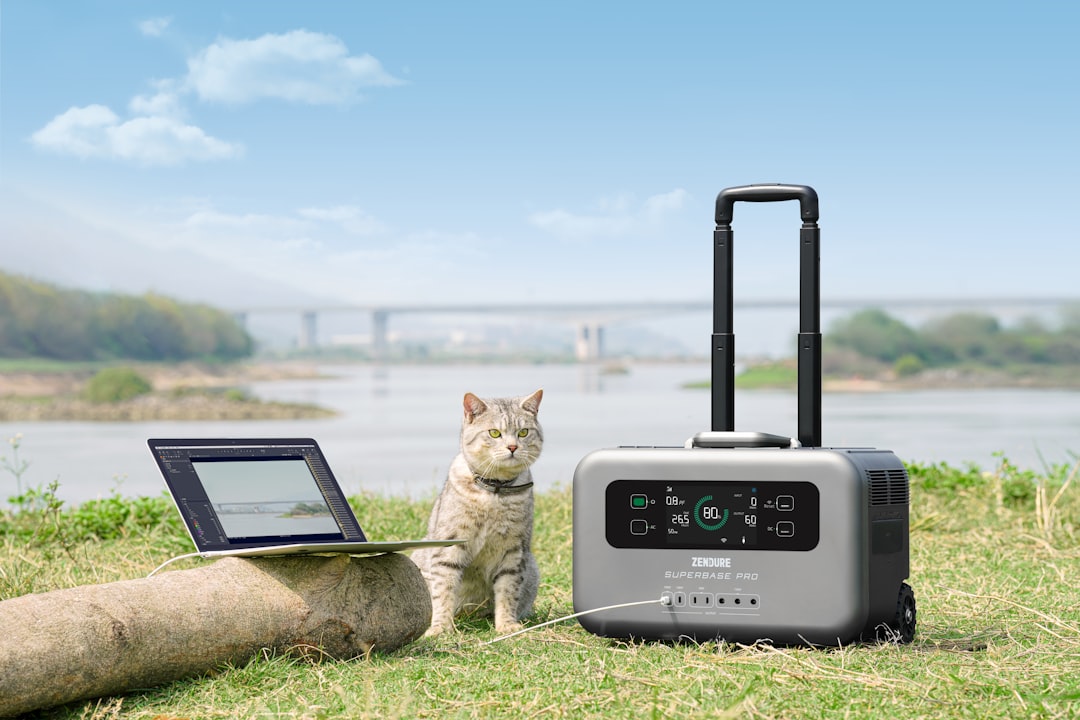
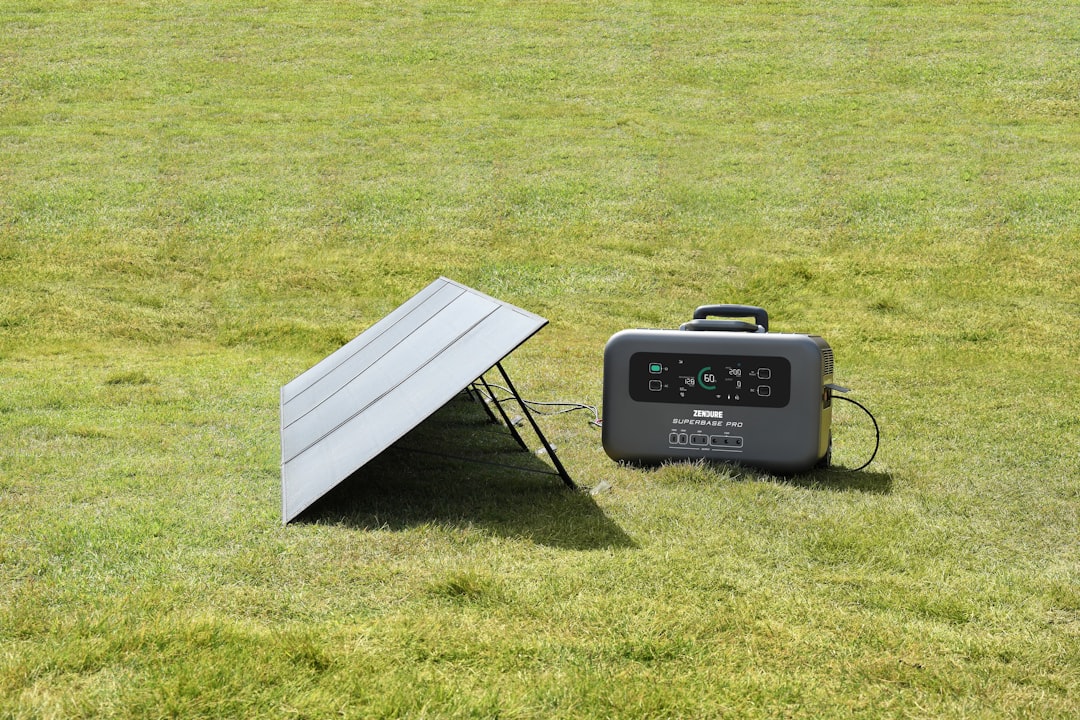
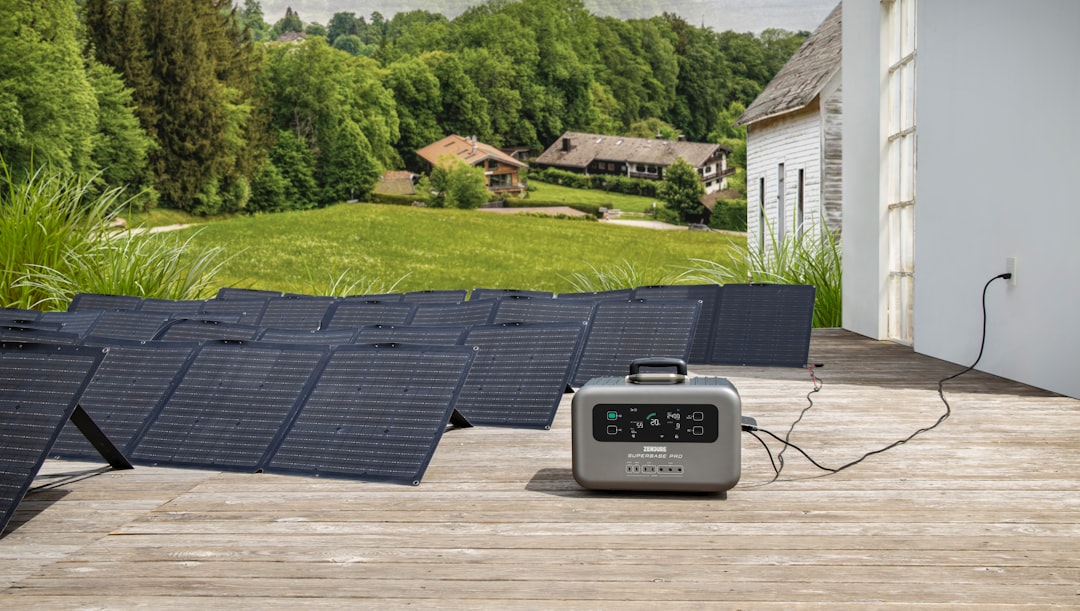
Whichever fuel you choose, how you deliver the power to your home matters. For powering appliances directly, a heavy-duty generator extension cord keeps the unit safely outdoors while reaching your essentials. To energize household circuits, have an electrician install a generator interlock kit, which lets you run your home’s panel safely without the risk of backfeeding the grid. For very small, fuel-free needs, a portable power station or solar generator complements either fuel type by handling lights and devices with zero emissions.
Frequently Asked Questions
Is a propane or gas generator better? Neither is universally better. Gasoline offers slightly more power and easier refueling, while propane stores indefinitely, burns cleaner, and needs less maintenance. Your priorities on storage, runtime, and climate determine the best fit.
Does a generator run longer on gas or propane? On a per-volume basis, gasoline carries more energy and can produce slightly longer runtime for the same fuel volume, but propane’s edge is that you can store many tanks indefinitely for extended outages.
Is propane cleaner than gasoline for a generator? Yes. Propane burns cleaner, leaving fewer carbon deposits and no carburetor-clogging varnish, which translates to less maintenance and more reliable starts after storage.
Can cold weather affect a propane generator? Yes. Propane vaporizes less easily in very cold temperatures, which can make starting harder in deep winter. Gasoline generally starts more reliably in extreme cold.
Which fuel is safer to store? Propane stored in sealed tanks is stable and long-lasting, but it is under pressure and must be kept outdoors. Gasoline degrades over time and is flammable, requiring stabilizer and careful container storage. Both demand proper handling.
Conclusion
The propane versus gas decision comes down to what you value most. Choose gasoline for maximum power output, easy refueling, and dependable cold starts. Choose propane for indefinite storage, cleaner operation, and lower maintenance. Many buyers split the difference with a dual fuel generator that runs on both, giving you the flexibility to use whichever fuel is available when the power goes out.
Ready to decide? Our #1 pick for 2026 is the Power output.
Live price & availability on Amazon.





Write Your Review
No reviews yet. Be the first to share your experience!