
🛒 Best Price Today on Amazon
Prime members get fast, free shipping on everything above, plus member-only deals. New members get a 30-day free trial — cancel anytime.
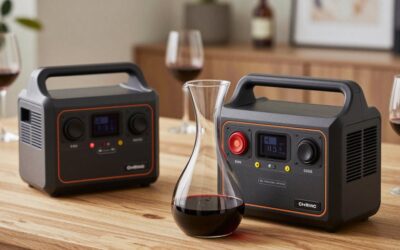
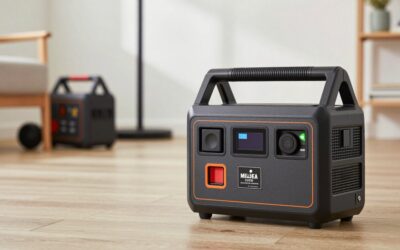
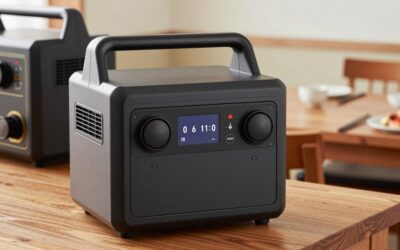
One of the biggest reasons people buy portable power stations is that, unlike gas generators, they can be used inside the home. That is true: battery power stations produce no exhaust and no carbon monoxide. But safe indoor use still depends on the battery chemistry, the product’s certification, where you place it, and how you charge it. This guide explains why power stations are generally safe indoors, where the real risks lie, and the practices that minimize them.
Why batteries are safe where generators are not
A gas generator burns fuel and produces carbon monoxide, which is odorless and deadly in enclosed spaces. Generators must run outdoors, far from doors and windows. A power station stores electrical energy chemically and produces no combustion gases during normal operation, so it can safely run in bedrooms, living rooms, and home offices.
The real risks: heat and battery failure
The main risks with power stations involve overheating or, rarely, battery failure. Modern units include battery management systems that monitor voltage, current, and temperature, shutting down if conditions become unsafe. Risks rise when units are damaged, poorly made, covered, or used outside their rated conditions.
Battery chemistry matters
| Chemistry | Thermal stability | Typical cycle life | Indoor suitability |
|---|---|---|---|
| LiFePO4 (lithium iron phosphate) | Very high | 3,000-6,000 cycles | Excellent |
| NMC (nickel manganese cobalt) | Moderate | 500-1,000 cycles | Good with quality BMS |
| Sealed lead-acid | High | 200-500 deep cycles | Good, heavy |
LiFePO4 is far more resistant to thermal runaway than NMC, which is one reason it has become the standard for quality power stations.
Certifications to look for
Look for products tested to recognized safety standards. In North America, UL 2743 covers portable power packs, and testing marks from recognized labs such as UL, ETL, or CSA indicate independent evaluation. FCC compliance addresses electromagnetic interference, not fire safety. Avoid no-name units without listed certifications.
Safe placement indoors
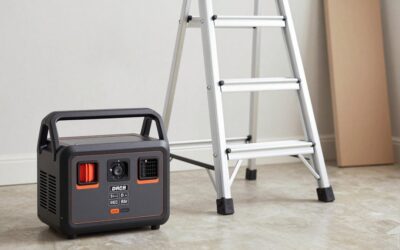
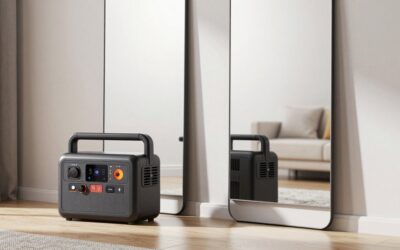
- Give it airflow: keep 6 to 12 inches of clearance around vents and never cover it with blankets or clothing.
- Hard, stable surface: place it on a floor or sturdy table, not on a bed or carpet pile where vents may be blocked.
- Away from heat and water: keep it away from heaters, stoves, direct sun, and areas that might flood.
- Out of reach of children and pets: prevent tampering with outlets and cords.
- Near a smoke alarm: store and charge it in a room with working smoke detection.
Charging safely indoors
Charging produces more heat than discharging, and fans may run. Use the manufacturer’s charger and cables. Avoid charging a unit that is swollen, cracked, or has been dropped hard. Do not charge LiFePO4 units below freezing unless they have built-in heating.
Overnight use
Many people run CPAP machines or fans from a power station overnight in a bedroom. This is generally safe with quality units. If possible, avoid charging overnight in a bedroom, and schedule charging during the day when someone is awake.
Warning signs to act on
Stop using and unplug the unit if you notice swelling, unusual smells, hissing or popping sounds, excessive heat, smoke, or error messages related to temperature. Move it outdoors only if safe to do so, and contact the manufacturer.
Never confuse a power station with a generator
Some products marketed as solar generators are power stations; others with the word generator contain engines. If it has a fuel tank or exhaust, it must never run indoors, in a garage, or on an enclosed porch.
Cords, power strips, and overloads
Indoor safety also covers what you plug in. Use heavy-duty extension cords rated for the load, 14-gauge for loads up to about 1,500W and 12-gauge for longer runs or higher loads, and avoid running cords under rugs where heat can build up unnoticed. Do not daisy-chain power strips. Keep total load within the station’s continuous rating; repeated overload shutdowns stress the inverter. Space heaters are a poor match for battery power because they drain capacity quickly and create their own fire risk near bedding and curtains, so choose heated blankets at 50 to 100W instead when you need warmth.
FAQ
Can I use a portable power station in my bedroom?
Yes. Battery power stations produce no carbon monoxide and are commonly used overnight for CPAP machines and fans. Keep vents clear and use a certified unit.
Is it safe to charge a power station indoors?
Yes, with a certified unit, the manufacturer’s charger, good ventilation, and a working smoke alarm nearby. Avoid charging damaged units.
Bottom line
Portable power stations are safe to use indoors because they produce no exhaust. Choose a certified unit, preferably with LiFePO4 cells, keep it ventilated and away from heat and water, and watch for warning signs. Never bring a fuel-burning generator indoors.
Write Your Review
No reviews yet. Be the first to share your experience!