
🛒 Best Price Today on Amazon
Prime members get fast, free shipping on everything above, plus member-only deals. New members get a 30-day free trial — cancel anytime.
For homes on private wells, losing power means losing water: no drinking water from the tap, no flushing toilets and no showers. A well pump is often the single most important load to back up, and also one of the trickiest to size a generator for. Submersible well pumps usually run on 240V, sit hundreds of feet down a borehole and can draw a hefty surge each time they start. This guide walks through how to size and connect a generator so the water keeps flowing.
Know your pump first
Well pumps vary widely. Start by finding the pump’s horsepower, voltage and whether it is a two-wire or three-wire design. The information is often on the control box in the basement or utility room, or in paperwork from the well installer.

maXpeedingrods 4000 Watt Inverter Generator, Bluetooth® App Data Monitor
Included for 'Best Generator for Running a Well Pump' because the listing specifies Bluetooth® App Data Monitor, details this guide uses to compare options.
View on Amazon
Westinghouse 6600 Watt Dual Fuel Home Backup Portable Generator, Remote Electric Start, Transfer Switch Ready, RV Ready, CO Sensor
Included for 'Best Generator for Running a Well Pump' because the listing specifies Remote Electric Start and Transfer Switch Ready, details this guide uses to compare options.
View on Amazon
Oxseryn 5000W Inverter Generator Gas Powered, Portable Open Frame Generator
Included for 'Best Generator for Running a Well Pump' because the listing specifies Portable Open Frame Generator, details this guide uses to compare options.
View on Amazon
Westinghouse 28000 Peak Watt Home Backup Portable Generator, Remote Electric Start with Auto Choke, Transfer Switch Ready 30A & 50A Outlets, Gas Powered, CO Sensor,Blue
Included for 'Best Generator for Running a Well Pump' because the listing specifies Remote Electric Start with Auto Choke and Transfer Switch Ready 30A & 50A Outlets, details this guide uses to compare options.
View on Amazon- Shallow jet pumps (above ground, often 1/2 to 1 HP) may be 120V or 240V.
- Submersible pumps are typically 240V. Three-wire pumps have a separate control box with start components; two-wire pumps have them built in and often have a harsher start-up surge.
- Constant-pressure pumps use variable frequency drives and generally start more gently, but can be sensitive to power quality.
Typical power requirements
| Pump size | Typical running watts | Typical start-up watts | Generator class commonly used |
|---|---|---|---|
| 1/2 HP (240V) | 1,000–1,200 W | 2,000–3,500 W | 4,000–5,500 W with 240V outlet |
| 3/4 HP (240V) | 1,300–1,600 W | 3,000–5,000 W | 5,500–7,500 W |
| 1 HP (240V) | 1,600–2,000 W | 4,000–6,500 W | 7,000–9,500 W |
| 1.5–2 HP (240V) | 2,200–3,000 W | 6,000–9,000 W | 9,500 W+ or standby |
Two-wire pumps tend toward the higher start-up figures. These are general ranges; a well contractor or electrician can measure your actual draw. Pump manufacturers often publish minimum generator sizes for each model, which is the most reliable reference.
What to look for in a generator
240V output
Most submersible pumps need 240V. Look for a generator with a 240V 30A (L14-30) or 50A outlet. Many small inverter generators only provide 120V and cannot run a 240V pump at all.
Surge capacity
The generator must handle the pump’s start-up while other loads, such as a refrigerator, are running. Starting the pump first, then adding other loads, helps.
Clean power for sensitive pumps
Constant-pressure systems with electronic drives may require stable voltage and frequency. Inverter generators or quality conventional generators with low harmonic distortion are often recommended; check the pump or drive manufacturer’s guidance.
Fuel and runtime
Well pumps run intermittently, so average fuel use is moderate. A dual-fuel generator gives you the option of propane for long-term storage.
Connecting safely
A well pump is hardwired to the panel or a pressure switch, so you need a transfer switch or panel interlock with a power inlet, installed by a licensed electrician. That lets you run the pump circuit along with other essentials. Never backfeed the house through an outlet or dryer receptacle. Backfeeding is dangerous and illegal, and it can electrocute utility workers repairing lines.
Standby generators
For homes where water supply is critical, such as those with livestock or medical needs, a home standby generator with an automatic transfer switch can restore water within seconds of an outage. Standby units in the 10 to 22 kW class commonly handle a well pump plus much of the house.
Stretching limited generator hours
- Run the generator in blocks and let the pump refill the pressure tank, then fill bathtubs and jugs for flushing and washing.
- A larger pressure tank reduces how often the pump starts.
- Coordinate high-water tasks, such as laundry or showers, during generator run times.
Carbon monoxide safety
Portable generators must operate outdoors at least 20 feet from the home, never in a garage, basement, carport, porch or shed, even with doors open. Point exhaust away from windows, doors and vents. Well houses and pump sheds are enclosed spaces too; never run a generator inside one. Install battery CO alarms on every level of the home.
FAQ
Can a portable power station run a well pump?
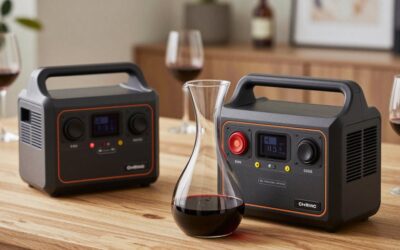
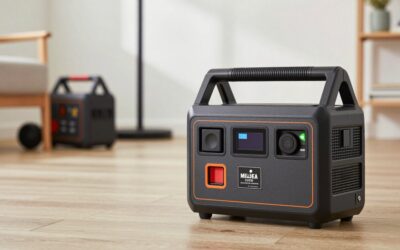
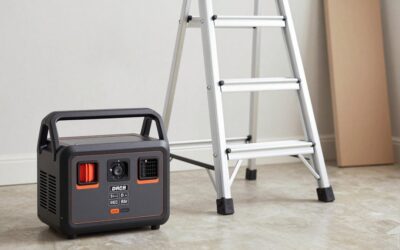
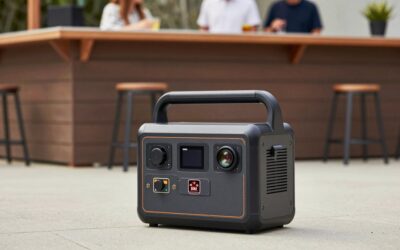
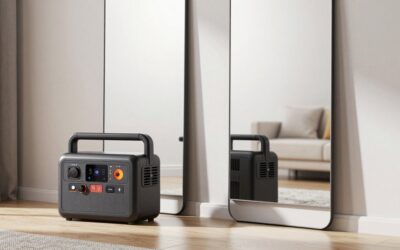
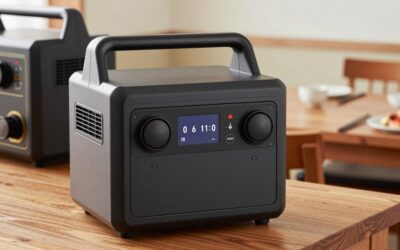
Some large power stations with 240V output and high surge capacity can run smaller well pumps. Many 120V-only stations cannot. Check both voltage and surge requirements before relying on one.
Why does the generator stall when the pump starts?
The start-up surge exceeds the generator’s capacity or other loads are already using much of its output. Start the pump with other loads off, or choose a larger generator. A licensed electrician or pump professional can also evaluate soft-start options where appropriate.
Bottom line
The best generator for a well pump provides 240V output and enough surge capacity for your specific pump, with headroom for a refrigerator and lights. For most 1/2 to 1 HP pumps, that means a 5,500 to 9,500 W class generator; larger pumps or whole-home needs point to a standby unit. Have a licensed electrician install the transfer switch, and always run portable generators outdoors, well away from the home.


Write Your Review
No reviews yet. Be the first to share your experience!