
🛒 Best Price Today on Amazon
Prime members get fast, free shipping on everything above, plus member-only deals. New members get a 30-day free trial — cancel anytime.
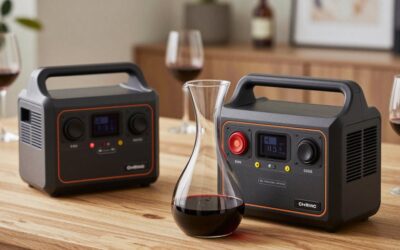
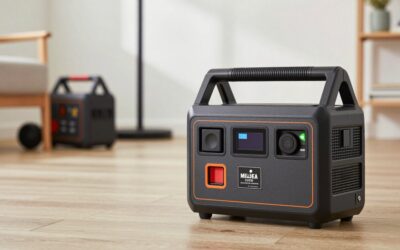
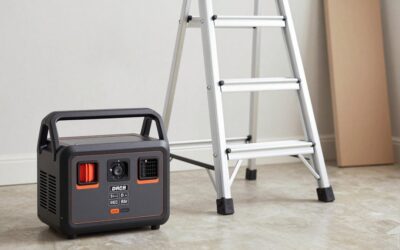
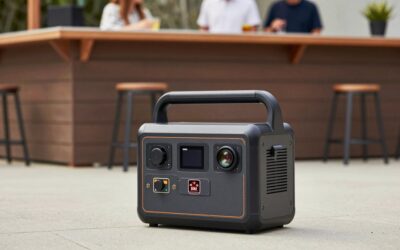
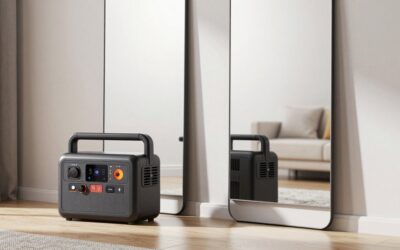
For weekend van trips and small campers, the EcoFlow River 2 Pro hits a sweet spot. It weighs about 18 pounds, holds roughly 768Wh and has an 800W inverter, which is plenty for a 12V fridge, lights, fans and devices. It is not built for heavy loads like an RV air conditioner, but for minimalist boondocking, it can be the entire electrical system. This guide explains how to size a trip around it and how to keep it charged off-grid.
Specs for the road
Confirm with EcoFlow’s current spec sheet: about 768Wh LiFePO4, 800W continuous output with X-Boost for resistive loads, a 12V car outlet and DC ports, about 220W of solar input, 100W car charging and fast AC charging. It is not expandable, which is the main limitation for longer trips.
Sample daily budgets
| Setup | Loads | Daily energy | Days on one charge (~700Wh via DC-heavy use) |
|---|---|---|---|
| Weekend minimalist | 12V fridge, LED lights, phones | ~400Wh | ~1.7 |
| Remote worker | 12V fridge, laptop 8 hours, Starlink-class dish, lights | ~1,000-1,300Wh | under 1 |
| Hot-weather van | 12V fridge, roof fan 12 hours, lights, phones | ~550-650Wh | ~1.1-1.3 |
| Cool-weather tent camping | 12V heated blanket 6 hours, lights, phones | ~350Wh | ~2 |
Running 12V loads through the DC ports avoids inverter losses, so a DC-focused setup gets closer to the rated capacity than an AC-heavy one.
Recharging off-grid
Solar
The River 2 Pro’s solar input tops out around 220W. A 200 to 220W portable panel in good sun delivers roughly 0.8 to 1kWh per day, enough to cover a weekend minimalist or hot-weather van setup indefinitely. Remote workers with satellite internet will run short without extra charging.
Driving
The 12V car input adds about 100W, roughly 100Wh per hour of driving. A four-hour drive adds about half a charge. A DC-DC charger or alternator solution can add more, depending on the setup.
Campground top-ups
Fast AC charging refills it in about an hour at a campground outlet, café or visitor center, useful on longer trips.
What it cannot do
- Roof AC: RV roof air conditioners need 1,200W or more running and much higher at startup.
- Electric cooking: a 1,000W induction burner or microwave may run using X-Boost for resistive elements, but it would consume a large share of the battery quickly. Propane or butane cooking is more practical, outdoors or with proper ventilation.
- Expansion: if your needs grow, you will need a second unit or a larger model.
Safety and care
Secure the River 2 Pro while driving; an unrestrained 18-pound box can injure passengers in a sudden stop. Keep it out of direct sun behind a windshield, where temperatures can exceed its safe range. It should not be charged below about 32°F; in winter, keep it inside the sleeping area. If you use a small generator, keep it well away from your rig and tent with exhaust pointed away, and carry a battery-powered CO alarm in any van or camper where people sleep. Never run a fuel-burning heater in a van or tent unless it is designed and installed for that use with proper ventilation.
Squeezing more from each charge
- Power 12V devices from the DC ports instead of AC to avoid inverter losses.
- Turn the AC inverter off when you are not using it; idle draw adds up overnight.
- Pre-chill the fridge on shore power before you leave.
- Park facing the sun in the morning and shade the van interior to keep the fridge working less.
These habits commonly add 10 to 20% to a day’s usable energy.
It is also worth logging a few trips: note the battery percentage each morning and evening along with the weather. After a couple of outings, you will know exactly how many cloudy days your setup can absorb before you need to drive or find a campground outlet.
FAQ
Can the River 2 Pro run a CPAP in a van?
Yes. A CPAP without humidification uses around 250 to 300Wh per night, so one charge covers about two nights, leaving room for a fridge if you have solar.
Is it better than a van’s built-in lithium system?
A built-in system is usually larger and better integrated. The River 2 Pro’s advantages are portability, simplicity and the ability to use it at home during outages.
Bottom line
The EcoFlow River 2 Pro is a strong choice for minimalist boondocking in vans, small campers and tents. It runs a 12V fridge, lights, fans and electronics comfortably, and with a 200W solar panel it can sustain light setups indefinitely. Heavy users and remote workers will want more capacity.


Write Your Review
No reviews yet. Be the first to share your experience!