
🛒 Best Price Today on Amazon
Prime members get fast, free shipping on everything above, plus member-only deals. New members get a 30-day free trial — cancel anytime.
- Top Picks at a Glance
- Quick Answer Table: What Each Odd Generator Search Means
- 1. Powerhorse 8000 Surge / 6000 Rated Watt Dual-Fuel Inverter: Best Overall Power Generator
- 2. Pulsar PGD40ISCO 4000W Inverter: Best Quiet Small Generator
- 3. Westinghouse 12500 Watt Dual Fuel: Best Home Backup Capacity
- 4. VEVOR 500W 12V Wind Turbine Kit: Best for Wind Power Experiments
- 5. NorthStar PTO Generator, 12,000 Rated Watts: Best Tractor-Driven Option
- 6. FosPower NOAA Weather Radio With Hand Crank: Best Emergency Hand-Crank Gadget
- 7. LectroFan EVO Sound Machine: Best for Noise Generator Searches
- Also Consider
- Generator Questions Answered
- How We Chose
- Buying Guide
- Common Mistakes
- Which One Should You Buy?
- Sources
“Generator” is one of the most overloaded words on the internet: the same search box returns engine-driven power generators, wind turbine kits, tractor PTO units, white noise machines, medical oxygen devices and a long tail of website tools that have nothing to do with electricity. The short answer to most of these odd searches is below, and the products that genuinely belong on a generator site are the Powerhorse 6000-rated-watt dual-fuel inverter generator for a home or jobsite, with the Pulsar PGD40ISCO as a lighter, quieter runner-up for camping and small backup loads.
This guide is research-based. We compared manufacturer descriptions, listing details and safety guidance, and we did not personally use these products. Where a spec was not published we write “not listed,” and we use price tiers rather than numbers. Nothing here is electrical-code advice: anything that connects to a house panel should be done by a licensed electrician.
Top Picks at a Glance
- Best Overall Power Generator: Powerhorse 8000 surge / 6000 rated watt dual-fuel inverter generator, listed at 62 dB.
- Best Quiet Small Generator: Pulsar PGD40ISCO 4000W ultra-light quiet gas inverter generator.
- Best Home Backup Capacity: Westinghouse 12500 Watt Dual Fuel portable generator, transfer-switch ready.
- Best for Wind Power Experiments: VEVOR 500W 12V wind turbine generator kit with an MPPT controller.
- Best Tractor-Driven Option: NorthStar PTO generator, 13,000 surge / 12,000 rated watts, 24 HP tractor required.
- Best Emergency Hand-Crank Gadget: FosPower NOAA weather radio with solar and hand crank.
- Best for “Noise Generator” Searches: LectroFan EVO, a non-looping sound machine for sleep.
Quick Answer Table: What Each Odd Generator Search Means
| Search | What it usually means | Where to go | Watch for |
|---|---|---|---|
| Power generators, Powerhorse, Pulsar | Engine-driven portable or inverter generators | Powerhorse or Pulsar picks below | Rated vs surge watts |
| Wind generators and motors for wind generators | Small wind turbine kits or DIY alternators | VEVOR kit section | Charge controller and battery needed |
| PTO generators | Tractor-driven alternators | NorthStar section | Tractor horsepower requirement |
| Portable oxygen generators | Medical oxygen concentrators, not power generators | A doctor or medical supplier | Never improvise medical devices |
| Noise generators online | White, pink or brown noise sources | Sound machine section | Volume safety for babies |
| Myspace, PSN, premium link, mock up generators | Web tools or scams unrelated to electricity | The last Q&A section | Phishing and malware |
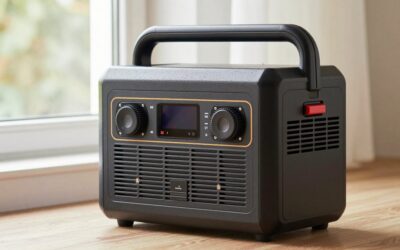
1. Powerhorse 8000 Surge / 6000 Rated Watt Dual-Fuel Inverter: Best Overall Power Generator
- 8,000 surge watts and 6,000 rated watts
- Dual-fuel (gasoline and propane) with inverter power
- Listed at 62 dB running sound
- Run time, weight and outlet layout: not listed in the title
Best for: home backup of essentials, jobsites and RV-style use where you want one machine with fuel flexibility. Skip if: you only need a small camping unit.
When someone types “best power generators,” this class of machine is what the search wants: a gas or propane engine with an inverter to give cleaner electricity for electronics. Rated watts are the number to plan around, because that is the continuous output. Surge watts are a short burst for starting motors, and a generator that advertises a high surge figure may not carry that load for long. A 6,000 rated watt machine covers a refrigerator, a few lights, a sump pump and some small appliances if you manage the load carefully.
Dual fuel matters when gasoline is scarce after storms; propane stores well, though output on propane is usually lower than on gasoline, so check the manual for propane ratings. The 62 dB figure is the maker’s listed sound level, and generators of this size are still loud compared with the smallest inverter models.
Pros: large rated output, dual fuel, inverter power, recognizable maker. Cons: heavy and loud for the size, specs like weight not listed here, regular engine upkeep.
2. Pulsar PGD40ISCO 4000W Inverter: Best Quiet Small Generator
- 4,000-watt portable gas inverter generator
- Marketed as ultra light and quiet
- Run time, decibel level and weight: not listed in the title
Best for: camping, tailgating and powering a few essentials during an outage. Skip if: you want to run a whole house or a large air conditioner.
People who search for Pulsar generators are often comparing it to a better-known brand, so here is the plain version: Pulsar sells a range from 1,600-watt units up to tri-fuel models over 10,000 watts, and the PGD40ISCO sits in the lightweight middle. A 4,000-watt inverter is enough for lights, a fridge and electronics, but not for several heavy loads at once. Always add up the running watts of what you want to power and keep a margin.
Inverter generators produce cleaner power that is safer for laptops, phones and other sensitive devices. They are also usually quieter than open-frame designs. Confirm the exact decibel rating and run time on the maker’s page, since neither is in the listing title.
Pros: light class, inverter output, practical size. Cons: fewer published specs here, limited for big loads.
3. Westinghouse 12500 Watt Dual Fuel: Best Home Backup Capacity
- 12,500-watt dual-fuel portable generator (gas and propane)
- Remote electric start
- Transfer switch ready, per the listing
- Rated vs peak output split: not listed in the title
Best for: larger homes that want to run multiple circuits through a properly installed transfer switch. Skip if: you need portability or quiet operation.
“Transfer switch ready” means the generator has an outlet suited to a transfer switch connection. It does not mean you can plug it into a house outlet. Connecting a generator to a home’s wiring must be done through a proper transfer switch or interlock installed by a licensed electrician, because back-feeding can endanger utility workers and damage equipment. This is the single most important safety point for anyone using a big generator at home.
At this size the machine is heavy and uses fuel quickly, so think about storage and refueling. The remote start is a convenience in cold weather or storm conditions, but the generator must always be placed outdoors and away from windows, doors and vents.
Pros: big capacity, dual fuel, remote start, transfer switch ready. Cons: heavy, loud, fuel-hungry, needs professional hookup.
4. VEVOR 500W 12V Wind Turbine Kit: Best for Wind Power Experiments
- 500W-rated, 12V wind turbine generator kit
- 5-blade design with an MPPT controller included
- Start-up wind speed and tower or mounting hardware: not listed in the title
Best for: off-grid learning projects, boats, sheds and small battery systems. Skip if: you expect it to run a house.
Wind generator searches, including “best motors for wind generators” and “best home wind generators,” usually fall into two camps: people who want a ready-made kit and people building a DIY alternator. A kit like this one produces low-voltage power that charges a battery bank through a controller, and you typically add an inverter to run household devices. The wattage on the label is a maximum at a high wind speed; real output in average wind is far lower, so size your expectations and your battery to match.
Location matters more than the spec sheet. Turbines need clean, steady wind away from trees and buildings, a sturdy mast and correct wiring. Check local rules before mounting anything tall, and have an electrician review any connection that goes near a building.
Pros: low-cost entry to wind power, controller included, compact kit. Cons: output depends heavily on wind, extra parts required, mounting is on you.
5. NorthStar PTO Generator, 12,000 Rated Watts: Best Tractor-Driven Option
- 13,000 surge watts and 12,000 rated watts
- Requires a 24 HP tractor per the listing
- Runs from the tractor’s power take-off shaft, so it uses no separate engine
Best for: farms and acreages that already own a suitable tractor. Skip if: you do not have a tractor with a compatible PTO.
A PTO generator is driven by a tractor’s power take-off, so the tractor engine does the work. The upside is large output without a second engine to maintain. The downside is that you must keep the tractor running, fueled and in a safe location, and match its horsepower and PTO speed to the generator’s requirement. The listing states 24 HP required, which is the minimum to check.
Because home backup through a PTO unit involves large current, the connection to a building must be done by a licensed electrician with proper transfer equipment. We do not give wiring advice here, and you should follow the maker’s manual for shaft guards and operating speed.
Pros: high output, no separate engine, good for farms. Cons: needs a compatible tractor, setup is not plug-and-play, tractor must run the whole time.
6. FosPower NOAA Weather Radio With Hand Crank: Best Emergency Hand-Crank Gadget
- AM/FM and NOAA weather band radio
- 7,400 mWh power bank with solar and hand-crank charging
- SOS alarm and multiple power options per the listing
Best for: a storm kit where you want weather alerts and a phone top-up without fuel. Skip if: you expect to run appliances.
“Hand crank generators” are tiny by generator standards. They are designed to give you a small amount of emergency power for a radio, a flashlight and a phone top-up, not to run a refrigerator. This product is a good example: it is a radio first, with a power bank as a bonus. If you want real backup power for a home, you need an engine-driven generator or a battery power station, not a crank.
Pros: no fuel, weather alerts, multiple charging methods. Cons: very low power, slow cranking, not a generator in the usual sense.
7. LectroFan EVO Sound Machine: Best for Noise Generator Searches
- Non-looping sound machine for sleep
- Offers fan-style and noise sounds per the listing
- Power source and number of sounds: not listed here
Best for: sleep, focus and masking street noise. Skip if: you need a sound-masking system for office privacy.
Searches such as “best noise generators online” are often looking for white, pink or brown noise, either from an app or a device. A dedicated machine gives you a steady sound without a phone. The key feature is non-looping playback, which avoids the repeating pattern that some cheap machines produce. If you use a sound machine near a baby, keep it at a low volume and some distance from the crib, following pediatric guidance.
Pros: dedicated device, non-looping, no phone needed. Cons: nothing to do with power generation, personal preference for sound type.
Also Consider
- Pulsar PGD16ISCO 1600W: an ultra-light quiet gas inverter generator, CARB compliant per the listing, for very light loads.
- WEN 56235i 2350-Watt Inverter Generator: a super quiet, lightweight inverter model with fuel shut-off per the listing.
- Powerhorse 7,000 Watt Portable Generator with electric start: a larger open-frame style for jobsite and backup use.
- Pikasola 400W 12V Wind Turbine Kit: a smaller 5-blade wind kit with a charge controller, aimed at marine and RV use.
Generator Questions Answered
What are the best power generators?
The best power generator depends on how many watts you need, so start by adding up the running watts of what you want to power. For a home or jobsite, a dual-fuel inverter such as the Powerhorse above is a strong all-round choice, while a 4,000-watt Pulsar suits lighter use.
What is the difference between Powerhorse and Pulsar generators?
Both brands sell portable and inverter generators in many sizes, so compare model by model rather than by brand. The Powerhorse in this guide is a 6,000-rated-watt dual-fuel inverter, and the Pulsar is a 4,000-watt gas inverter.
Are portable oxygen generators the same as power generators?
No. Portable oxygen concentrators are medical devices that separate oxygen from air, and they are prescribed and fitted by healthcare providers. A fuel-powered generator does not make oxygen. If you rely on oxygen equipment and are planning for a power outage, talk to your doctor and your equipment supplier about backup options, and never run a fuel generator indoors.
Can I use a generator for a wind turbine or a motor from a wind generator?
A wind turbine is its own type of generator, and it needs a controller and a battery bank. Motors sold for DIY wind builds vary, and their output depends on rotational speed. For a first project, a complete kit with a controller, such as the VEVOR above, is simpler than assembling parts.
What does a PTO generator do?
It converts a tractor’s power take-off rotation into electricity. It needs a tractor of the right horsepower and speed, and it should be set up following the manual and local electrical rules.
What are mock up, Myspace or premium link generators?
These are website tools or services, not electrical equipment. A mock up generator creates design mockups, and a Myspace generator usually makes page layouts or text. A “premium link generator” claims to unlock paid downloads and carries risks such as malware and account theft. If you are on a generator review site looking for power, you want the picks above instead.
Are PSN code generators real?
No. Independent security write-ups describe PSN code generator sites as scams that use surveys, malware downloads or phishing, and PlayStation codes are only issued through Sony and authorized sellers. Do not enter your login or download anything from these sites.
Can I run a generator in a garage or near a window?
No. Fuel-burning generators produce carbon monoxide, which can be deadly. Place them outdoors, well away from windows, doors and vents, and use a battery-powered carbon monoxide alarm indoors. Follow the maker’s manual for clearance distances.
Which noise generators are best for sleep?
A non-looping sound machine such as the LectroFan EVO is a straightforward choice. Pick one with volume control and keep sound levels moderate, especially for children.
How We Chose
We started with the types of searches that land on a generator site, then looked for real products in the store that actually answer each intent. We kept only items with a clear connection to the question, read the listings and manufacturer descriptions, and avoided inventing any specs. Safety statements follow standard manufacturer guidance on carbon monoxide and professional hookup. The scam warning about code generators comes from a single web search of independent security write-ups. We did not personally use any of these products.
Buying Guide
Rated watts versus surge watts
Rated (running) watts are what the generator can supply continuously. Surge (starting) watts are a brief burst. Add the running watts of everything you want to power, then add the largest starting load, and leave a margin so the generator is not at its limit all the time.
Inverter versus open-frame
Inverter generators produce stable power that suits electronics and are usually quieter and more fuel efficient at partial load. Open-frame generators are typically cheaper per watt but louder and rougher on sensitive devices.
Fuel type
Gasoline is easy to find but degrades in storage. Propane stores well and burns cleaner, though output may be lower. Dual-fuel models give you both. Check your manual for the output on each fuel.
Noise level
Decibel ratings help compare models, but they are measured under specific conditions. If neighbors or campgrounds matter, a smaller inverter is the quieter route.
Safety basics
Run fuel generators outdoors only, keep them away from openings, let them cool before refueling, and never connect them to a home outlet. Use a transfer switch or interlock installed by a licensed electrician if you want to power house circuits.
Common Mistakes
- Buying by surge watts instead of running watts.
- Running a generator in a garage or enclosed space.
- Expecting a small wind turbine to power a whole house.
- Treating a hand-crank gadget as a real backup generator.
- Trusting any website that promises free codes or links from a “generator.”
Which One Should You Buy?
For most readers, the Powerhorse dual-fuel inverter is the best all-purpose power generator in this guide. Pick the Pulsar PGD40ISCO for lighter, quieter use, the Westinghouse 12500 for larger home backup with a professionally installed transfer switch, the VEVOR kit only if you want to learn about small wind power, and the NorthStar if you already own a suitable tractor. Choose the FosPower for emergency radio and phone charging, and the LectroFan if what you wanted was a noise generator. For anything medical, such as oxygen, ask your doctor and supplier rather than a generator guide.
Sources
- Powerhorse, Pulsar and Westinghouse generator product pages (manufacturers)
- NorthStar PTO generator product information
- VEVOR wind turbine kit product details
- Manufacturer owner’s manuals on carbon monoxide and generator placement
- MalwareTips investigations of PSN gift card generator scams
Last updated: October 2026









Write Your Review
No reviews yet. Be the first to share your experience!