
🛒 Best Price Today on Amazon
Prime members get fast, free shipping on everything above, plus member-only deals. New members get a 30-day free trial — cancel anytime.
- Step 1: Size for game processing, not just camp lights
- Step 2: Cold-start reliability
- Step 3: Noise and placement relative to stands
- Step 4: Fuel planning for a remote camp
- Step 5: Safety in wall tents and cabins
- Step 6: Durability and portability
- Step 7: Security at unattended camps
- Step 8: Pair it with a power station
- FAQ
- Bottom line
A deer camp generator has to start on a frosty morning after a bumpy ride down a two-track, run a freezer full of venison, power a grinder for a processing session, and do it all without broadcasting noise across the ridge where your stands are. It may sit unattended at a remote camp for days. That combination calls for specific choices on size, cold-start features, noise, fuel, and security. This guide covers them in order.
Step 1: Size for game processing, not just camp lights
Lights and chargers barely register. The loads that size a deer camp generator are the freezer, processing tools, and maybe a coffee maker at breakfast.
| Deer camp load | Running watts | Starting watts |
|---|---|---|
| Chest freezer, 5–7 cu ft | 80–150W | 600–1,000W |
| Electric meat grinder, #12–#22 | 400–1,000W | 800–2,000W |
| Vacuum sealer | 110–250W | minimal |
| Coffee maker | 800–1,200W | minimal |
| Lights and chargers | 50–200W | minimal |
| Electric space heater (low) | 750W | minimal |
A freezer, grinder, sealer, and lights together need about 1,000 to 1,600W running with a peak of 2,500W or so. A 2,000 to 3,000W inverter generator is the typical fit. Add a coffee maker at the same time as the grinder, and step up to 3,000 to 3,500W.
Step 2: Cold-start reliability
Late-season camps can see temperatures in the teens or lower. Look for:
- Electric start with a recoil backup.
- A starter battery you can bring inside overnight or keep on a small maintainer.
- A choke that is easy to operate with gloves.
- Manual guidance on winter oil; many allow 5W-30 synthetic below freezing.
- A fuel shutoff valve so you can run the carburetor dry before leaving camp.
Fresh, stabilized fuel matters more than anything. Stale fuel from last season is the most common reason a generator will not start at camp.
Step 3: Noise and placement relative to stands
Inverter generators rated around 50 to 58 dBA at 23 feet are much quieter than open-frame units. Still, sound carries far on calm, cold mornings. Place the generator on the side of camp away from hunting areas, behind a building or terrain feature, and run it midday when most hunters are in the field or resting. Point exhaust downwind of camp and away from any tents.
Step 4: Fuel planning for a remote camp
| Camp length | Daily run time | Fuel estimate (2,000–3,000W inverter) |
|---|---|---|
| Weekend | 2–4 h | 1–2 gal total |
| 5 days | 3–5 h | 3–6 gal |
| 10 days | 3–6 h | 6–12 gal |
Estimates assume light to moderate loads. Dual fuel models let you run from propane cylinders you may already bring for cooking and heat, and propane does not go stale between seasons. In deep cold, larger cylinders maintain pressure better than small ones.
Step 5: Safety in wall tents and cabins
Deer camps often combine a wood or propane stove in an enclosed tent or cabin with a generator nearby. Carbon monoxide risk is real on both fronts. Keep the generator at least 20 feet from sleeping areas, never inside a tent vestibule or lean-to, and place a battery CO alarm in every sleeping space. Refuel only after the engine cools, and store fuel away from the stove.
Step 6: Durability and portability
You may carry the generator across rough ground or lift it into a truck bed or UTV. Weight matters: 2,000W-class inverters typically weigh 40 to 55 lb, while 3,000W-class models often exceed 60 lb and have wheels that may not suit mud or snow. Consider a model with sturdy handles, a sealed control panel, and outlets with rubber covers to keep out moisture.
Step 7: Security at unattended camps
Remote camps are sometimes left empty during the day or between weekends. Use a cable lock through the generator frame to a fixed point, remove it between trips, and record the serial number. Some hunters store the generator in a locked shed or box when away.
Step 8: Pair it with a power station
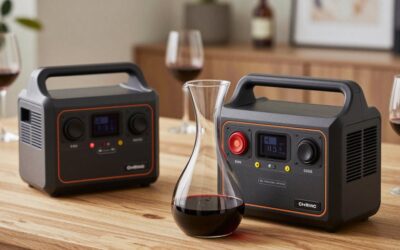
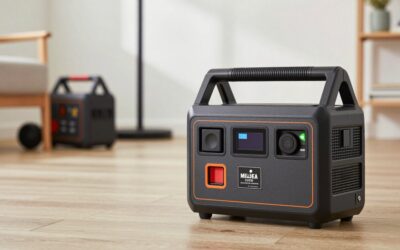
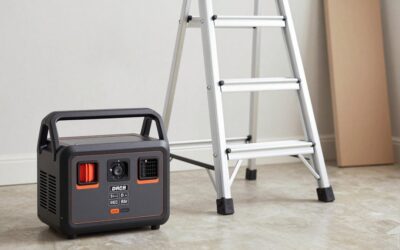
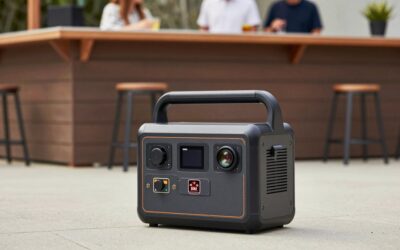
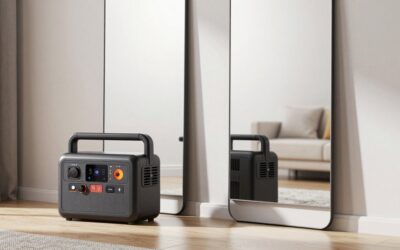
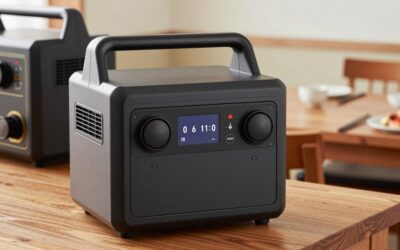
A power station in the cabin handles overnight lights, charging, and CPAP use silently. The generator recharges it midday. This combination keeps camp quiet at dawn and dusk, when deer are most active.
FAQ
What size generator do I need for deer camp?
For lights, charging, a freezer, and occasional game processing, a 2,000 to 3,000W inverter generator is usually right. Choose 3,500W if you run a coffee maker or heater at the same time as a grinder.
How do I keep a generator from freezing up at camp?
Use fresh, stabilized fuel, winter-appropriate oil, and keep the starter battery warm. Run the carburetor dry or shut the fuel valve when leaving camp for extended periods.
Bottom line
For deer camp, choose a 2,000 to 3,500W inverter or dual fuel generator sized to your freezer and processing tools, with reliable cold-start features and quiet operation. Place it away from hunting areas, run it midday, protect sleeping spaces with CO alarms, and pair it with a power station for silent overnight use.
Write Your Review
No reviews yet. Be the first to share your experience!