
- Top Pick: Upstreman 7.7 Cu.Ft. Refrigerator with Freezer Double Door Fridge | 5 Adjustable Thermostat, Large Capacity, Reversible Door Swing, Refrigerator for Apartment, Office, Dorm, Black(BD75)
- Best Value: Frigidaire, 2 Door Apartment Size Refrigerator/Freezer Combo, 7.5 cu ft, Platinum Series, Stainless, 23" D x 21.5" W x 55.5" H
- Premium Choice: Upstreman 18.2 Cu.Ft French Door Refrigerator, 30 Inch Wide Kitchen Refrigerator, Frost-Free, Adjustable Shelves, Quiet and Energy Efficient Inverter Compressor Refrigerator for Home FD182-SS
When the power goes out, the appliance people worry about first is almost always the refrigerator. A freezer full of meat and a fridge full of groceries represent real money, and both start losing the battle within about four hours of a dead outlet. The good news is that keeping a fridge cold does not require a massive generator, but sizing it correctly matters more than most people realize because the compressor’s brief startup surge, not its running draw, is what actually determines the wattage you need.
This guide walks through exactly how to calculate the right generator size for your refrigerator, from a compact 3.2 cubic-foot dorm unit to a full 28 cubic-foot French-door model. Get the math right and you can ride out an outage on a surprisingly modest and affordable generator.
As an Amazon Associate we earn from qualifying purchases at no extra cost to you.


⚡ Save on Your Next PC — Amazon Prime
Prime members get fast free shipping on the systems above, plus early access to Prime Day & Black Friday PC deals. New members get a 30-day free trial.
Watch: What Size Generator Do I Need for a Refrigerator? — Video Review
Running Watts vs. Starting Watts
Every refrigerator lists two numbers that matter. Running watts is the steady draw once the compressor is spinning, and it is usually low: a modern Energy Star fridge sips 100-250 running watts. Starting watts is the momentary spike when the compressor kicks on, and it can be two to three times higher. A fridge that runs at 150 watts may briefly demand 600-800 watts at startup, and your generator has to cover that peak or it will stall.
Typical Wattage by Refrigerator Size
- Mini fridge (3-4 cu. ft.): Units like a 3.2 or 3.3 cubic-foot model run around 80-100 watts with a startup surge near 250-400 watts.
- Apartment size (5-7.7 cu. ft.): A 7.5 cubic-foot two-door fridge/freezer typically runs 120-180 watts, surging to roughly 600-800 watts.
- Standard family fridge (18-28 cu. ft.): A large French-door model such as an 18.2 or 28 cubic-foot unit runs 150-250 watts with startup peaks of 800-1,200 watts.
The Sizing Formula
Add up the starting watts of the refrigerator plus the running watts of anything else you plan to power at the same time (lights, a phone charger, a router). Then add 20-25% headroom so the generator is not pinned at maximum. For a single large fridge, a generator with about 1,500-2,000 starting watts is comfortable; for a mini fridge, even a 300-500 watt power station will do.
Why Bigger Is Not Always Better
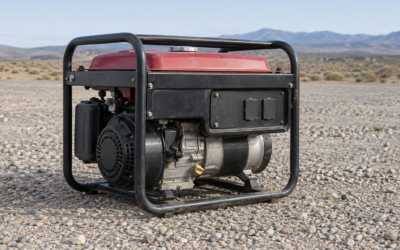
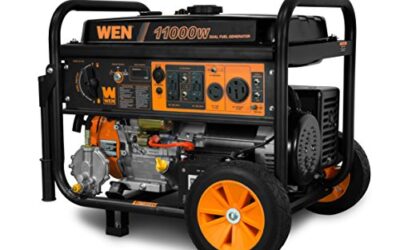
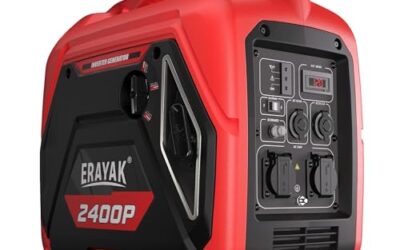
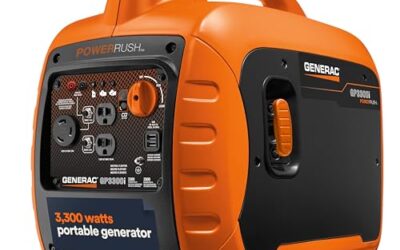
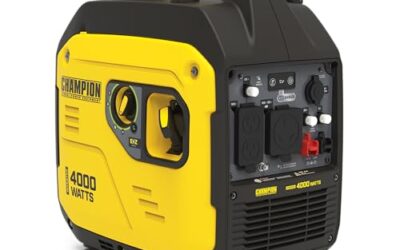
It is tempting to buy the largest generator you can afford, but an oversized unit burns more fuel idling and, in the case of gas generators, runs less efficiently under light loads. If the refrigerator is your only concern, a right-sized 2,000-watt inverter generator or a 1,000Wh battery station is quieter, cheaper to run, and easier to store than a 7,500-watt monster you will rarely tax.
Tips
- Check the nameplate: The sticker inside the fridge lists voltage and amps; multiply them (volts x amps) to estimate running watts before you shop.
- Keep the door closed: A full fridge holds temperature for about 4 hours and a freezer up to 48 hours unopened, buying you time to start the generator.
- Favor an inverter unit: Compressors and control boards prefer clean sine wave power; an inverter generator protects the electronics inside modern fridges.
- Test before you need it: Run your fridge on the generator during a calm weekend so you confirm it starts and holds under real conditions.
Frequently Asked Questions
Will a 2,000-watt generator run my refrigerator?
For almost any household fridge, yes. Even a large French-door model peaks around 1,000-1,200 starting watts, well within a 2,000-watt inverter generator’s capacity, leaving room for a few lights or a phone charger.
Can a portable power station keep my fridge cold?
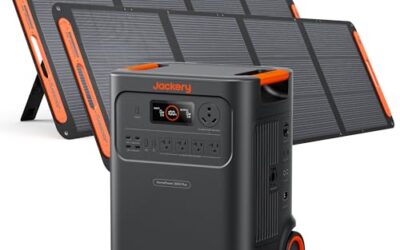
A 1,000Wh LiFePO4 station can run an efficient full-size fridge for roughly 10-15 hours since the compressor only cycles part of the time. A mini fridge can stretch that to a day or more, making battery stations a quiet, fume-free outage solution.
How much fuel will a generator use running a fridge?
Because a fridge cycles rather than running constantly, fuel use is modest. A small inverter generator in eco mode powering only a refrigerator may sip through a tank over 8-10 hours, though adding other loads shortens that considerably.
Does a chest freezer need a bigger generator than a fridge?
Not necessarily. Chest freezers are well insulated and often draw similar or lower running watts than a fridge, but confirm the startup surge on the nameplate. The sizing formula is identical: cover the peak, then add headroom.
Conclusion
Sizing a generator for a refrigerator comes down to one rule: cover the compressor’s startup surge, not just its running draw, then add a modest cushion. For most homes that means a 2,000-watt inverter generator or a 1,000Wh battery station is plenty, and it will keep your food safe through an outage while sipping fuel and staying quiet. Measure your fridge’s nameplate wattage, do the simple math, and buy the smallest unit that clears the peak with headroom to spare.

Write Your Review
No reviews yet. Be the first to share your experience!