
🛒 Best Price Today on Amazon
Prime members get fast, free shipping on everything above, plus member-only deals. New members get a 30-day free trial — cancel anytime.
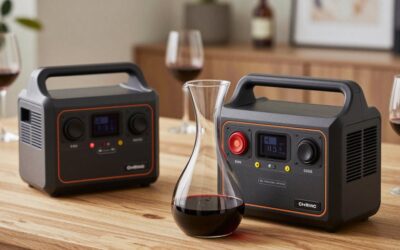
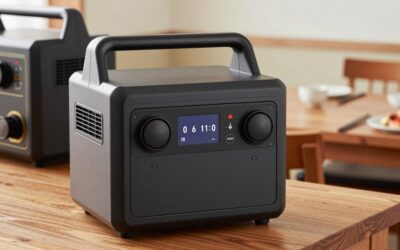
The Bluetti Pioneer Na is best known for one thing: it uses sodium-ion cells instead of lithium, and Bluetti markets it primarily for cold weather. Hurricane season is the opposite problem, hot and humid rather than frigid, so it is fair to ask whether the Pioneer Na makes sense for coastal storm prep at all. The answer depends on what you value: its capacity and output are competitive for a mid-size station, but its signature advantage is less relevant in August heat.
Spec class
Bluetti rates the Pioneer Na at about 900 Wh of sodium-ion capacity, roughly 1,500 W of continuous AC output and a higher Power Lifting figure for resistive loads. It supports fast combined AC and solar charging, is rated for thousands of cycles and weighs roughly 35 pounds. It is not expandable. Because sodium-ion is new to portable power stations, long-term field data is still limited; check the current spec sheet and warranty terms.
What sodium-ion means for hurricane owners
Sodium-ion chemistry is attractive because it avoids lithium and performs well in the cold. In a hurricane outage, the relevant questions are simpler: how much energy does it hold, how fast can it recharge and how does it handle heat? On capacity, 900 Wh is in the same class as many popular 1 kWh LFP stations. On recharge, Bluetti quotes fast times when combining AC and solar. On heat, all batteries prefer moderate temperatures, so the same rules apply: keep it cool, shaded and ventilated.
Hurricane runtime estimates
| Load mix | Average draw | Runtime (about 760 Wh usable) |
|---|---|---|
| Phones, router, lights, radio | 30–40 W | 19–25 hours |
| CPAP (no humidifier) + fan overnight | 70–90 W | 8–11 hours |
| Full-size fridge in a hot kitchen | 75–90 W average | 8–10 hours |
| 5,000 BTU window AC | 450–500 W | about 1.5 hours |
These are estimates. Bluetti quotes a relatively high idle draw with the AC inverter on compared with the quietest stations, so switch the inverter off when you are only charging USB devices.
Where it fits a coastal storm plan
Strengths
- Enough output (around 1,500 W) to run a microwave, coffee maker or small window AC briefly.
- Fast recharging when the grid flickers on or when combining solar and generator input.
- Useful year-round if you also face cold winters or travel north.
Weaknesses for hurricane use
- Its cold-weather edge brings little benefit in Gulf or Atlantic summer outages.
- Capacity is modest for multi-day refrigeration without solar.
- Newer chemistry means fewer years of real-world reliability data than LFP.
Solar recovery after landfall
Once skies clear, a 200 to 400 W panel set in coastal sun can produce roughly 700 to 1,600 Wh per day, enough to refill the Pioneer Na daily and sustain essentials plus overnight refrigeration. Store panels indoors while wind and debris are a threat. Confirm solar voltage and current limits on the spec sheet before wiring panels together.
If you use a gas generator for recharging, place it at least 20 feet from the house, never in a garage, carport or porch, with exhaust directed away from doors and windows. Keep battery CO alarms on every level. The Pioneer Na itself produces no exhaust and is safe indoors.
Who should consider it for hurricanes
The Pioneer Na makes the most sense for people who split time between a hot coastal home and a cold northern cabin, or who evacuate north during storms and also want a winter battery. For people who only face summer hurricanes, a similarly priced LFP station with more capacity may be the better value. Compare capacity per dollar and solar input for your specific needs.
Heat care tips
Keep it in the coolest interior room, off the floor and away from windows. Avoid leaving it in a hot car during evacuation stops. Heat accelerates aging in every battery chemistry.
FAQ
Is sodium-ion safer than lithium in hurricane conditions?
Sodium-ion is generally considered to have good thermal stability, but any battery should be kept dry, ventilated and away from flood water. Do not use a unit that has been submerged.
Can it run a refrigerator through a hurricane outage?
For about a night on one charge. With solar during the day, it can keep a fridge running for longer periods.
Bottom line
The Bluetti Pioneer Na is a capable mid-size power station for hurricane season, handling essentials, medical devices and short refrigeration. Its standout cold-weather performance, however, does little for summer storms. Buy it if you also face winter outages or cold-weather camping; otherwise, compare it closely with LFP stations that offer more capacity for the price.
Write Your Review
No reviews yet. Be the first to share your experience!