
🛒 Best Price Today on Amazon
Prime members get fast, free shipping on everything above, plus member-only deals. New members get a 30-day free trial — cancel anytime.
- What Makes a Good Power Outage Prep Gift
- Light First: Rechargeable Lanterns and Headlamps Beat Candles
- Power Stations vs Generators as Gifts: The Honest Split
- A Weather Radio Is the Cheapest Peace of Mind You Can Wrap
- Phone Power Banks and a Jump Starter That Does Double Duty
- Kitchen, Water, and the Cooler
- The Carbon Monoxide Alarm Is the Most Important Item Here
- What Not to Gift
- Budget Tiers
- Frequently Asked Questions
The best power outage gifts are the ones used within the first hour of a blackout: a rechargeable lantern, a headlamp, a phone power bank, and a carbon monoxide alarm. A small battery power station is the standout bigger gift. Skip generators, fuel cans, and anything that needs installation.
If someone on your list lives at the end of a rural line, in a storm corridor, or on a grid that gives up whenever the wind picks up, they already know what an outage feels like. They do not need a bunker. They need the boring things that make a dark house tolerable: light that does not burn, a charged phone, a way to hear a warning, and hot coffee in the morning.
What Makes a Good Power Outage Prep Gift
Preparedness gifts go wrong in two predictable ways. Either they are dramatic and useless (a five-gallon bucket of freeze-dried rations), or they are a decision the recipient should have made themselves (a generator, a fuel system, a transfer switch). The sweet spot is the middle: items with a clear job, no installation, and no assumptions about their house. A useful test: would this get picked up within the first hour of a four-hour outage? If it only earns its keep on day three of a regional disaster, it is a hobby, not a present.
Gift, How Often It Gets Used, and Who It Suits
| Gift | How often it gets used | Who it suits |
|---|---|---|
| Rechargeable LED lantern | Every outage, plus camping and power cuts while working on the car | Anyone — the safest default gift on this list |
| Headlamp | Every outage; also attics, crawlspaces, dog walks | People who have to actually fix something in the dark |
| Phone power bank | Weekly, outage or not | Commuters, travelers, teenagers, everyone |
| Small battery power station | Every outage, plus tailgates and campsites | Households running a CPAP, a router, or a medication fridge |
| Battery or hand-crank weather radio | A few times a year, but critical when it matters | Tornado alley, hurricane coast, wildfire country |
| Car jump starter with USB output | Rare for jumps, often as a power bank | Older vehicles, cold climates, long rural driveways |
| Manual can opener and camp stove | Longer outages; the stove doubles for camping | Anyone who has ever eaten cold soup out of the can |
| Water storage containers | Well owners, every outage | Homes on a well pump — no power means no water at all |
| Rotomolded or high-retention cooler | Outages plus every summer weekend | Households trying to save a fridge full of food |
| Carbon monoxide alarm | Runs continuously, silently, for years | Essential if they already own a generator |
Light First: Rechargeable Lanterns and Headlamps Beat Candles
Light is the first thing anyone reaches for, so it is where your budget does the most work. A rechargeable LED lantern that stands on a counter and lights a whole room beats four flashlights. Look for USB-C charging, a charge that survives months in a drawer, and a low setting that stretches runtime overnight. Add a headlamp: hands-free light is the difference between resetting a breaker easily and doing it with a flashlight in your teeth.
Now the part people do not want to hear: candles are a bad outage gift. Candle fires cluster on exactly the nights the power goes out, and the pattern repeats — one left burning in an empty room, knocked over by a pet, or set too close to a curtain. The light is poor and unsteady besides. An LED lantern does the job better with zero fire risk. Give candles as candles, not as emergency lighting for power outages.
Power Stations vs Generators as Gifts: The Honest Split
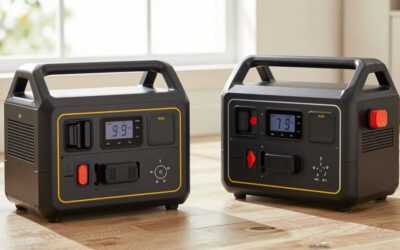
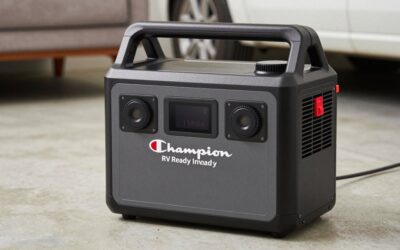
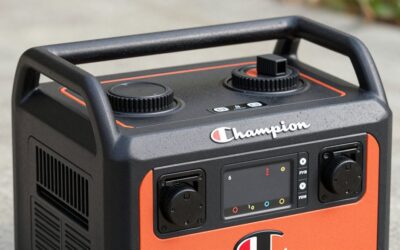
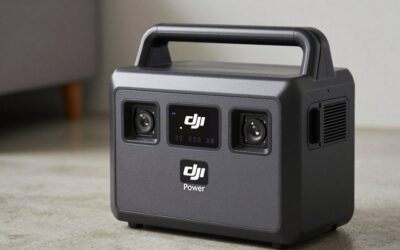
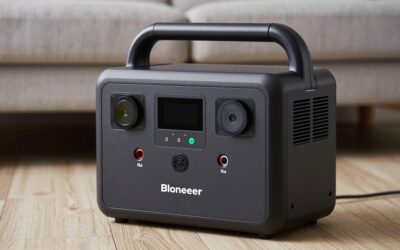
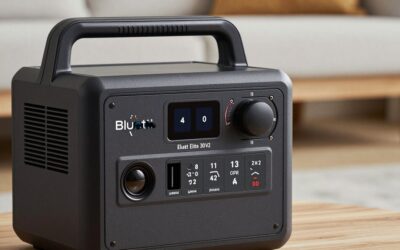
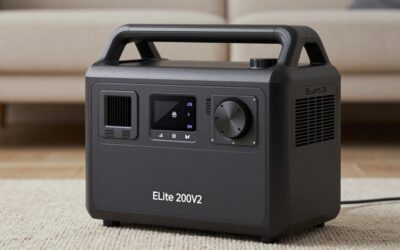
A small battery power station is a genuinely good gift. It arrives charged, needs no fuel, makes no fumes, and runs indoors safely. A unit in the roughly 250 to 600 watt-hour range will keep phones, a laptop, a router, a couple of lamps, and a CPAP going through a night. It requires no decisions from the recipient — plug it in, top it up a few times a year, use it.
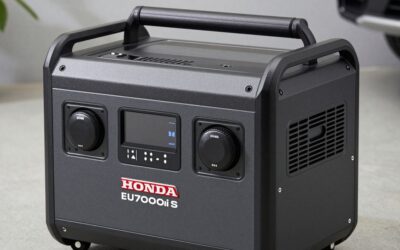
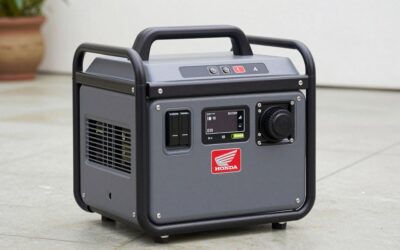
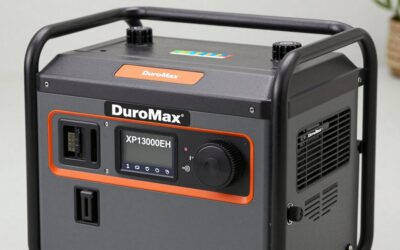
A generator usually is not a good gift. Not because generators are bad, but because buying one is a personal decision made from information you probably do not have. Sizing depends on their well pump, furnace blower, and fridge compressor. Fuel choice depends on whether they can store gasoline safely or already have propane on site. Placement depends on their lot, their neighbors, and where the windows are. Get any of that wrong and you have handed someone a heavy object to store, maintain, and possibly return. Send them a comparison of inverter generators versus conventional models and let them choose.
| Small battery power station | Portable generator | |
|---|---|---|
| Safe to run indoors | Yes | Never — carbon monoxide risk |
| Fuel needed | None; recharge from wall, car, or solar | Gasoline or propane, stored safely |
| Noise | Silent | Loud enough to annoy neighbors at 2 a.m. |
| Maintenance | Top up charge a few times a year | Oil changes, fuel stabilizer, seasonal run-ups |
| Typical runtime | A night of phones, lights, router, CPAP | Days, with refueling — can run a fridge and well pump |
| Good as a surprise gift? | Yes | No — sizing and fuel are the owner’s call |
A Weather Radio Is the Cheapest Peace of Mind You Can Wrap
When cell towers are congested or their backup batteries run down, a NOAA Weather Radio still works. Look for battery power plus a hand crank, a built-in flashlight, and Specific Area Message Encoding so it alarms only for their county instead of waking the house for a storm three counties away. The crank is a useful backstop, but pick one that also takes ordinary batteries.
Phone Power Banks and a Jump Starter That Does Double Duty
Give a power bank in the 10,000 to 20,000 mAh range with USB-C Power Delivery, so it charges a phone fast and can nurse a laptop along. It gets used on flights and road trips all year, which is the point.
A lithium jump starter is the sleeper pick. It lives in the trunk, starts a dead car in a cold snap without a second vehicle, and most models include USB ports so it doubles as a large power bank. For anyone with an older car or a long rural driveway, it is one of the most practical things here — just remind them about keeping backup batteries topped up twice a year.
Kitchen, Water, and the Cooler
A manual can opener costs almost nothing and is the most-forgotten item in a house full of electric everything. Add a single-burner butane or propane camp stove and the outage stops being miserable — coffee and a hot meal change the mood in a cold house more than any gadget. Same safety rule: camp stoves burn fuel and produce carbon monoxide, so they are outdoor equipment. A covered porch away from windows is fine; a kitchen counter is not.
For water, think about who is on a well. When the power dies the pump dies and the taps go dry immediately, so stackable containers or a bathtub bladder are unglamorous and enormously useful. A high-retention cooler is the underrated one: moving a fridge’s contents into a well-insulated cooler with ice buys days instead of hours, and it gets used every summer anyway. Our notes on keeping food cold during an outage cover how long things actually last.
The Carbon Monoxide Alarm Is the Most Important Item Here
If the person you are shopping for already owns a generator, buy the CO alarm first and everything else second. Carbon monoxide is colorless, odorless, and kills people who believed they had ventilated adequately. A battery-powered or plug-in alarm with battery backup costs very little and mounts in minutes. Alongside it, these rules are not optional:
- Never run a generator indoors. Not in the house, not in a basement, not in a crawlspace.
- Never run a generator in an attached garage, even with the door fully open. CO accumulates and enters the house.
- Keep it far from the house — well away from any open window, door, or vent, so exhaust cannot drift back inside.
- Never backfeed the house by plugging a generator into a dryer outlet or any wall receptacle. It energizes the utility line and can kill a lineman working to restore power, and it bypasses every protective device in the panel. Power a house circuit only through a properly installed transfer switch or interlock, fitted by an electrician.
- Use heavy-gauge outdoor cords rated for the load, and let the generator cool before refueling.
- Install a CO alarm on every sleeping level and test it when the clocks change.
Our generator safety checklist is worth forwarding along with any power-related gift.
What Not to Gift
- A generator, unless you know their load and where they would run it. Sizing, fuel type, noise tolerance, and placement are their decisions. Gifting the wrong one creates an obligation, not a solution.
- Fuel storage cans. Stored gasoline is a hazard and goes stale, and how much to keep on hand is a household judgment call involving local rules and safe storage space.
- Anything requiring installation. Transfer switches, interlock kits, standby units, and hardwired battery systems all mean an electrician, a permit, and a bill the recipient did not agree to.
- Outdoor gas heaters. Patio and construction heaters are a CO hazard indoors, and gifting one invites that misuse.
- Giant sealed food buckets. Most go untouched for years; a case of food they actually eat is more useful.
Budget Tiers
| Tier | What to give | Why it works |
|---|---|---|
| Stocking stuffer | Headlamp, manual can opener, spare batteries, CO alarm | Cheap, used immediately, no decisions required |
| Solid gift | Rechargeable lantern, weather radio, 20,000 mAh power bank | The three items pulled out first in every outage |
| Generous | Jump starter with USB output, high-retention cooler, camp stove kit | Earns its place year-round, not just in a blackout |
| Big-ticket | Small battery power station (roughly 250-600Wh) | The one large purchase that needs no input from the recipient |
| Do not | Generator, fuel cans, hardwired anything | Their call, their sizing, their electrician |
One practical note for holiday shopping: lanterns, power banks, and power stations ship partly charged and self-discharge in storage, so charge the item before you wrap it. A dead gift on the first stormy night defeats the purpose. If the household is working toward something larger, our breakdown of how to size a generator for a home is the right next step for them to read on their own time.
Frequently Asked Questions
Is a portable power station really a good gift, or just an expensive gadget?
It is a genuinely good gift because it removes decisions instead of creating them. A unit in the 250 to 600 watt-hour range needs no fuel, no oil changes, and no placement planning, and it runs safely indoors. The recipient charges it from a wall outlet and uses it for phones, lamps, a router, or a CPAP. It also gets used camping, so it does not sit in a closet waiting for a disaster.
Why are candles a bad idea during a power outage?
Candle fires spike during outages, and the pattern repeats: one left burning in an empty room, tipped over by a pet, or placed too near curtains. An open flame in a house where everyone is navigating by feel is an unnecessary risk. A rechargeable LED lantern gives brighter, steadier light for many hours, costs little, and cannot start a fire. Keep candles for nights when the lights are on.
Can I give someone a generator as a surprise gift?
It is better not to. Choosing a generator depends on the recipient’s actual electrical load, whether a well pump or furnace blower draws a big starting surge, whether they can store gasoline or already have propane, and where on the property it can run safely away from windows. Those are all their decisions. Buy the carbon monoxide alarm, the cords, and the lighting instead, and let them pick the generator themselves.
Where is it safe to run a generator?
Outdoors only, on dry level ground, well away from every window, door, and vent so exhaust cannot drift back inside. Never in a basement, never in a crawlspace, and never in an attached garage even with the door wide open, because carbon monoxide builds up and moves indoors. Never backfeed a wall or dryer outlet to power house circuits; that endangers utility workers and bypasses the panel’s protection. Use a transfer switch installed by an electrician instead.
What is the single most useful item for someone who loses power often?
If they already own a generator, it is a carbon monoxide alarm, without question, because it protects against the one failure mode that kills people. If they do not own a generator, it is a good rechargeable lantern, since light is the first thing anyone reaches for and it improves every hour of an outage. Both are inexpensive, need no setup, and work the moment they come out of the box.
Write Your Review
No reviews yet. Be the first to share your experience!