
🛒 Best Price Today on Amazon
Prime members get fast, free shipping on everything above, plus member-only deals. New members get a 30-day free trial — cancel anytime.
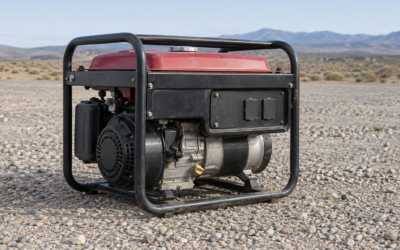
Changing generator oil is a small maintenance job that can prevent expensive engine damage. Old oil loses its ability to lubricate, while low oil can cause overheating, accelerated wear, or an automatic shutdown. Done incorrectly, the job can be just as problematic: overfilling may create smoke and leaks, draining hot oil can cause burns, and spilled oil can create a fire hazard or contaminate soil. The process below works for many portable gasoline generators, but oil capacity, drain-plug location, and recommended viscosity vary by model. Always check the owner’s manual before starting. This guide is current for routine maintenance in 2026.
What You Need
| Item | Why | Optional? |
|---|---|---|
| Manufacturer-recommended engine oil | Provides the correct lubrication and viscosity. Many small four-stroke generators use SAE 10W-30, but confirm the manual. | No |
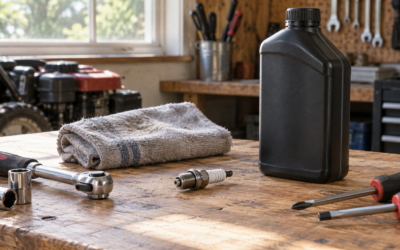
| STP Premium Synthetic Blend 4 Cycle Small Engine Oil, SAE 10W-30, 32 fl oz | A convenient small-engine oil option for generators and similar equipment. It is priced at about $14.98 and may cover one service, depending on engine capacity. | Yes, if compatible |
| Drain pan | Catches used oil. Choose one that holds at least 2 quarts (64 fl oz), even if your generator takes less. | No |
| Funnel | Helps prevent oil from running onto the frame or engine. | Recommended |
| Socket or wrench | Removes the oil-drain plug. The required size depends on the generator. | No, unless using an extractor |
| Thorstone 200cc Fluid Extractor Pump | Can remove oil through the fill tube on compatible designs. It costs about $11.37 and includes two 22-centimeter PVC suction tubes. | Yes |
| Shop towels and disposable gloves | Protect hands and clean spills. | Recommended |
| Approved used-oil container | Stores oil for recycling or disposal. Do not pour used oil onto the ground or into a drain. | No |
Step-by-Step
1. Read the manual and identify the oil capacity (5 minutes)
Find the recommended oil type, approximate capacity, drain-plug location, fill opening, and oil-check procedure. A portable generator may hold roughly 16 to 37 fluid ounces, while larger models can require more. Do not assume that a 32-fluid-ounce bottle will fill the engine completely. Also check whether the manual specifies a straight-weight oil or another viscosity for your climate.
As an Amazon Associate we earn from qualifying purchases at no extra cost to you. Product prices and availability are accurate as of the date shown and are subject to change.


2. Run the generator briefly, then shut it down (5 minutes)
Start the generator outdoors, away from doors, windows, and vents. Let it run without a load for about 3 to 5 minutes. Warm oil flows more easily and carries suspended contaminants toward the drain. Turn the generator off, close the fuel valve if equipped, and let it sit for a few minutes so the hottest surfaces cool slightly.
Never perform this job in a garage, shed, or other enclosed area. Gasoline engines produce carbon monoxide, an odorless and potentially deadly gas. Keep cigarettes, flames, heaters, and other ignition sources away from the work area.
3. Stabilize and prepare the generator (3 minutes)
Place the generator on a firm, level surface. Disconnect all appliances and extension cords. If the model has an electric start, turn the engine switch off. For additional protection against accidental starting, disconnect the spark-plug boot and keep it away from the plug. Do not tilt the generator unless the manufacturer specifically permits it; tilting can send fuel or oil into parts of the engine that should remain dry.
4. Position the drain pan (2 minutes)
Remove any service cover that blocks access to the oil filler and drain plug. Slide the drain pan beneath the plug, allowing extra room for oil that may run along the housing. Put on gloves and wipe dirt from around the filler cap and drain plug. Cleaning first helps keep grit from entering the crankcase.
5. Drain the old oil (5–10 minutes)
Remove the oil-fill cap or dipstick first. This lets air enter and helps the oil drain steadily. Then loosen the drain plug with the correct wrench, keeping pressure on it until the threads are nearly free. Move your hand away quickly as the plug comes out, and let the oil drain until it changes from a steady stream to occasional drips.
If your generator has no convenient drain plug, use a fluid extractor only if the manual allows removal through the fill tube. Insert the 22-centimeter suction tube carefully; never force it or allow pieces of tubing to detach inside the engine. Pump slowly into the waste container. An extractor may leave a small amount of oil behind, so it is not automatically equivalent to draining from the plug.
6. Inspect and reinstall the drain plug (3–5 minutes)
Check the plug for damaged threads, a crushed sealing washer, or metal particles. Replace a worn washer if the manufacturer specifies one. Clean the plug and the surrounding area, then reinstall it by hand to avoid cross-threading. Tighten it to the torque listed in the manual. If no torque specification is available, make it snug without excessive force; overtightening can strip an aluminum crankcase.
7. Add fresh oil gradually (5 minutes)
Place a funnel in the fill opening and add approximately 80% of the stated capacity. For example, if the manual lists 20 fluid ounces, begin with about 16 fluid ounces. Wait briefly, then check the level using the exact method described by the manufacturer. Some dipsticks are checked fully threaded in, while others are checked resting on the opening without being screwed in.
Add oil in small amounts until the level reaches the full mark. Do not pour in the entire bottle automatically. Overfilling can cause foaming, leaks, smoke, hard starting, or engine damage. Keep the generator level while checking, and wipe the dipstick before each measurement.
8. Run, inspect, and recheck (5–10 minutes)
Reinstall the fill cap securely and reconnect the spark-plug boot if you removed it. Start the generator outdoors and let it run for 2 to 3 minutes. Watch for oil around the drain plug and filler, then shut the engine off and wait about 5 minutes. Recheck the level and add a small amount if needed.
Do not leave the generator running unattended. If you see a leak, smell fuel, hear unusual knocking, or notice heavy smoke, shut it down and investigate after the engine cools.
9. Clean up and recycle the oil (5 minutes)
Transfer the used oil to a sealed, labeled container. Many auto-parts stores, service stations, and municipal recycling centers accept used motor oil, although local limits vary. Do not mix it with gasoline, coolant, solvents, or household waste. Wipe the generator and floor thoroughly before storing tools.
Mistakes to Avoid
- Using the wrong oil: Do not substitute two-stroke oil, transmission fluid, or automotive additives unless the manual specifically approves them.
- Checking on an uneven surface: A tilted generator can produce a false reading and lead to overfilling.
- Skipping the warm-up: Cold oil drains slowly and may leave more old oil behind. Warm the engine briefly, but avoid handling freshly hot oil.
- Forcing the drain plug: Cross-threaded or stripped threads can require crankcase repair.
- Ignoring the oil filter: If your generator has an oil filter, replace it at the interval specified in the manual and prefill it only when instructed.
- Leaving spills behind: Oil on a hot muffler can smoke or ignite. Clean every spill before restarting.
- Relying on color alone: Dark oil is not the only sign of service need. Track operating hours and follow the maintenance schedule.
How Often
Many portable generators receive their first oil change after approximately 20 to 30 operating hours, followed by changes every 50 to 100 hours or at least once per season. Heavy loads, dusty conditions, frequent short runs, high temperatures, and long storage periods may justify more frequent service. A generator used only during occasional outages should still have its oil checked before each extended use and changed at least annually, unless the manufacturer specifies otherwise.
Record the date, operating-hour reading, oil type, and amount added. This simple log helps prevent skipped maintenance and can support warranty service.
When to Call a Pro or Replace
Get professional help if the drain plug will not loosen, the threads are stripped, the engine contains metal flakes, the oil is milky, or the generator continues to leak after a proper service. A professional should also evaluate knocking, severe vibration, persistent blue smoke, hard starting, or an engine that repeatedly shuts down with a full oil level.
Replacement may make more sense when repair costs approach the price of a comparable new generator, especially if the unit has a damaged crankcase, low compression, a failed automatic-voltage system, or extensive corrosion. Before replacing it, compare the repair estimate with the generator’s age, rated wattage, noise level, fuel efficiency, and parts availability.
FAQ
Can I change generator oil without running the engine first?
Yes, but warm oil drains more completely and quickly. Run the generator outdoors for about 3 to 5 minutes, then shut it down and allow the hottest parts to cool enough for safe handling. Never warm it indoors.
How much oil does a generator take?
It depends on the engine. Many portable units require roughly 16 to 37 fluid ounces, but some need more. Use the manual’s capacity as a starting point and finish by checking the dipstick or level mark. Stop at the full mark rather than emptying an entire bottle.
Is SAE 10W-30 suitable for every generator?
No. SAE 10W-30 is common for four-stroke portable generators, but temperature range and engine design can require another viscosity. Confirm the specification before using STP Premium Synthetic Blend or any other oil.
What should I do with the old oil?
Seal it in a clean container and take it to a local used-oil collection site, auto-parts retailer, or recycling center that accepts motor oil. Keep it separate from gasoline and other fluids, and never pour it on soil or down a household drain.


Write Your Review
No reviews yet. Be the first to share your experience!