
🛒 Best Price Today on Amazon
Prime members get fast, free shipping on everything above, plus member-only deals. New members get a 30-day free trial — cancel anytime.
When winter storms knock out power, staying warm becomes the priority, and many people plan to run an electric space heater from a generator. That works, but space heaters draw a lot of continuous power, which affects generator size, fuel consumption and what else you can run. This guide explains what size generator you need for one or more space heaters, compares electric heat with running your furnace, and shares tips for staying warm on less fuel.
Generator size recommendations
| Heating plan | Continuous load | Minimum generator (running W) | Comfortable choice |
|---|---|---|---|
| One heater on low (750W) | ~750W | 1,200W | 2,000W inverter |
| One heater on high (1,500W) | ~1,500W | 1,800W | 2,500–3,000W inverter |
| One heater + fridge + lights | ~2,000W running, ~3,000W start | 2,500W | 3,500W inverter |
| Two heaters on high + essentials | ~3,500–4,000W | 4,500W | 5,500–7,000W |
| 240V garage heater (5,000W) + essentials | ~6,000–7,000W | 7,500W | 9,000W+ |
Why small inverters struggle
A typical 2,000W-class inverter is rated around 1,600–1,800 running watts. A 1,500W heater leaves almost no margin for anything else, and running the generator near its limit for hours burns fuel quickly and stresses the engine. Choose a generator whose running rating is at least 25–30% above your continuous load.
Parallel kits
Two small inverters in parallel can deliver around 3,200–3,600 running watts, enough for a heater on high plus a refrigerator and lights, while keeping each unit light enough to carry.
Fuel consumption
Space heaters keep generators heavily loaded, which increases fuel burn.
| Setup | Average load | Gasoline per hour | Fuel for 24 hours |
|---|---|---|---|
| 2,200W inverter, heater on low | ~800W | ~0.17–0.22 gal | ~4–5 gallons |
| 3,500W inverter, heater high + fridge | ~1,800W | ~0.35–0.45 gal | ~8.5–11 gallons |
| 7,000W conventional, 2 heaters + essentials | ~4,000W | ~0.6–0.8 gal | ~14–19 gallons |
A multi-day winter outage with continuous electric heat can require a lot of fuel, which may be hard to obtain during storms.
The furnace alternative
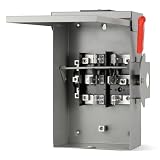
If you have a gas or propane furnace, powering it from the generator is far more efficient than using electric space heaters. The furnace blower, igniter and controls draw roughly 300–800W running (up to about 1,500–2,300W at startup for PSC blower motors), while the burner uses gas to produce 40,000–100,000 BTU/hr of heat — the equivalent of 12,000–29,000W of electric heat. Connecting a furnace through a transfer switch or dedicated furnace inlet lets a 3,500W generator heat an entire house.
| Heating method | Generator load | Heat delivered |
|---|---|---|
| Electric space heater | 1,500W | ~5,100 BTU/hr |
| Gas furnace (blower on generator) | ~500–800W | 40,000–100,000 BTU/hr |
Furnace power quality
Modern furnaces use electronic control boards sensitive to power quality. An inverter generator or a conventional unit with low THD and a properly bonded neutral helps prevent control board lockouts.
Tips to stay warm on less power
- Heat one room and close it off; hang blankets over doorways.
- Use a heater’s low setting with the thermostat set to 62–65°F.
- Use electric blankets or heated mattress pads at 50–100W instead of heating the whole room overnight.
- Run the generator in intervals: heat the room for an hour, then let it coast while conserving fuel.
- Seal drafts with towels and close curtains to reduce heat loss.
Safety in winter storms
Carbon monoxide deaths spike during winter outages. Never run a generator in a garage, basement or near open windows, even with doors open. Keep the generator at least 20 feet from the house, clear snow from exhaust and intake areas, and install CO alarms. Use heavy-gauge extension cords rated for the heater’s current and never daisy-chain power strips.
Planning a winter outage kit
A realistic winter kit for a home without a gas furnace includes a 3,500W-class inverter generator, one oil-filled heater used on low, heated blankets for sleeping, a CO alarm for each bedroom, and fuel for three days — roughly 15–20 gallons of stabilized gasoline or eight to ten 20 lb propane cylinders if the generator is dual fuel. Store fuel safely outdoors, keep the generator’s battery charged if it has electric start, and run it for 15 minutes monthly during autumn to confirm it starts. For homes with a gas furnace, the kit simplifies: a furnace inlet or transfer switch and a 3,000–3,500W generator deliver whole-house warmth on a fraction of the fuel.
FAQ
Can a 2,000W generator run a space heater?
It can run a heater on low (750–900W) comfortably, but running on high at 1,500W leaves little headroom for anything else. A 3,000–3,500W inverter is a better match.
Is it better to run a space heater or my furnace on a generator?
If you have a gas or propane furnace, powering it is much more efficient: a 500–800W blower load delivers many times more heat than a 1,500W electric heater.
Bottom line
Plan on at least a 2,500–3,000W inverter for one space heater on high, and 5,500–7,000W for two heaters plus essentials. If you have a gas furnace, power it instead — it delivers far more heat for far less generator capacity and fuel.


Write Your Review
No reviews yet. Be the first to share your experience!