
⚡ Key Takeaways
- Why Rain and Generators Are a Dangerous Mix
- The Conflict Between Ventilation and Shelter
- Safe Ways to Run a Generator in Wet Weather
- Setting Up a Generator Tent or Canopy
- Protecting Your Connections and Cords
- What If You Have No Cover and It Is Pouring?
- Choosing the Right Generator Cover
- Elevating and Positioning Against Water
- Maintenance After Wet-Weather Use
- Top-Rated Picks
- Related Guides
- Frequently Asked Questions
- Conclusion
- Related Articles
- A generator produces significant electrical current, and water is an excellent conductor.
- Carbon monoxide safety demands that you run a generator outdoors, far from any enclosed space, with exhaust dispersing freely.
- Several purpose-built and DIY options let you operate safely in the rain.
- Position the generator on a dry, level surface, ideally a concrete pad or a raised platform that keeps it out of puddles and runoff.
When a storm knocks out your power, you may find yourself wondering whether you can run a generator in the rain. It is a fair question, because outages and bad weather almost always arrive together, and you already know a generator must never run indoors. The short answer is that you should never operate a generator unprotected in the rain or snow, but with the right cover and setup you can run it safely during wet weather. Mixing electricity and water creates two serious risks, electrocution and equipment damage, so understanding how to shelter your generator correctly is essential. This guide explains the dangers and walks you through safe, practical solutions.
🛒 Best Price Today on Amazon
Prime members get fast, free shipping on everything above, plus member-only deals. New members get a 30-day free trial — cancel anytime.
Why Rain and Generators Are a Dangerous Mix
A generator produces significant electrical current, and water is an excellent conductor. If rain reaches the outlets, internal components, or your connection points, you risk a short circuit or a lethal shock. Water can also seep into the alternator and electrical panel, corroding contacts and permanently damaging the unit. Even a light drizzle blowing into exposed receptacles can create a hazard.
Manufacturers are explicit on this point: portable generators are designed to operate outdoors but must be kept dry. Running one in standing water, falling rain, or blowing snow without protection voids most warranties and, more importantly, endangers anyone nearby.
The Conflict Between Ventilation and Shelter
Here is the challenge. Carbon monoxide safety demands that you run a generator outdoors, far from any enclosed space, with exhaust dispersing freely. Rain protection tempts you to tuck the unit under a roof or inside a structure. You must never resolve this by moving the generator into a garage, shed, or enclosed canopy. The solution is a cover that keeps water off the machine while leaving the sides fully open so exhaust and heat escape and CO never accumulates.
Safe Ways to Run a Generator in Wet Weather
Several purpose-built and DIY options let you operate safely in the rain. The table below compares the most common approaches.
| Solution | Rain Protection | Ventilation | Best For |
|---|---|---|---|
| Generator tent/canopy (open sides) | Excellent | Excellent | Most portable units, easy setup |
| Steel generator enclosure | Excellent | Good (vented) | Permanent outdoor placement |
| Pop-up canopy, open all sides | Good | Excellent | Temporary storm use |
| DIY plywood cover, open sides | Moderate | Good | Budget short-term option |
| Running unprotected in rain | None | n/a | Never acceptable |
The most popular choice is a generator tent, a lightweight cover that clamps over the unit and shields it from rain while keeping all four sides open. These set up in minutes and are designed specifically to allow exhaust to escape.
Setting Up a Generator Tent or Canopy
Position the generator on a dry, level surface, ideally a concrete pad or a raised platform that keeps it out of puddles and runoff. Anchor the tent securely so wind cannot blow it onto the hot engine. Keep the exhaust outlet clear and pointed away from your home. Make sure no part of the cover touches the muffler or exhaust, which can reach temperatures hot enough to melt fabric or start a fire.
Maintain the same 20-foot distance from your house that you would in dry weather, with exhaust directed away from doors, windows, and vents. The cover protects the machine; it does nothing to reduce carbon monoxide risk, so placement rules still apply in full.
Protecting Your Connections and Cords
Water intrusion at the outlet and cord connections is just as dangerous as rain on the generator itself. Use outdoor-rated, weatherproof cords and keep the plug connections elevated and shielded from pooling water. A quality generator extension cord rated for wet conditions, paired with a covered connection, keeps moisture out of the circuit. For permanent connections, a professionally installed generator interlock kit lets you route power into your home through a weatherproof inlet box, eliminating exposed cord junctions near the house entirely.
What If You Have No Cover and It Is Pouring?
If a storm catches you without any rain protection, do not run the generator in the open. The risk of electrocution and ruining a costly machine outweighs the inconvenience of waiting. For critical low-power needs during a downpour, a sealed portable power station or solar generator can be used indoors safely with no exhaust, keeping a phone charged or a medical device running until conditions improve enough to shelter your gas generator outside.
Choosing the Right Generator Cover
Not all covers are created equal, and picking the right one makes wet-weather operation far safer. A purpose-built generator running cover, often sold as a generator tent, is engineered to clamp over the unit while it operates, shielding the top and sides from rain yet leaving the bottom and ends open for airflow and exhaust escape. Look for one rated for the dimensions of your specific generator, with adjustable straps and clearance around the exhaust outlet. Heavier steel enclosures suit permanently placed units and offer the best protection, but they must include proper venting so heat and fumes do not build up.
Avoid the temptation to improvise with a tarp draped directly over the running machine. A loose tarp can sag onto the hot muffler and ignite, block the air intake and cause overheating, or trap exhaust around the unit. Whatever cover you choose, confirm it maintains generous clearance from every hot surface and never restricts the airflow the engine needs to cool itself. A few feet of open space around the generator is your friend.
Elevating and Positioning Against Water
Where you set the generator matters as much as what covers it. Rising water and runoff during a heavy storm can reach a generator sitting on the ground, so place it on a raised, level surface such as a concrete pad, a sturdy platform, or a purpose-made stand that lifts it above puddles. Keep it clear of downspouts, low spots, and any area where water collects. Position the unit so prevailing wind carries exhaust away from your home rather than toward it, and recheck after the wind shifts. Good positioning protects both the machine and the people relying on it, complementing whatever cover you use.
Maintenance After Wet-Weather Use
Running in damp conditions stresses your generator more than dry operation. After a wet outage, let the unit cool, wipe down any moisture, and inspect the outlets and air filter. Periodic upkeep with a generator maintenance kit, including a fresh air filter and clean spark plug, helps the engine shrug off the extra humidity and keeps it starting reliably the next time weather turns ugly.
Top-Rated Picks

Prime
Best Seller
Westinghouse 12500 Watt Dual Fuel Home Backup Portable Generator, Remote Electric Start, Transfer Switch Ready, Gas and Propane Powered

| Product | Brand | Rating | Reviews | Price |
|---|---|---|---|---|
| Westinghouse 12500 Watt Dual Fuel Home Backup Portabl… | — | ★ 4.7 | 10.8k | under $1,000 |
| Jackery Explorer 500 v2 Portable Power Station and 16… | — | ★ 4.7 | 8.8k | under $350 |
| Jackery Explorer 1000 v2 Portable Power Station,1070W… | — | ★ 4.7 | 3.3k | under $450 |
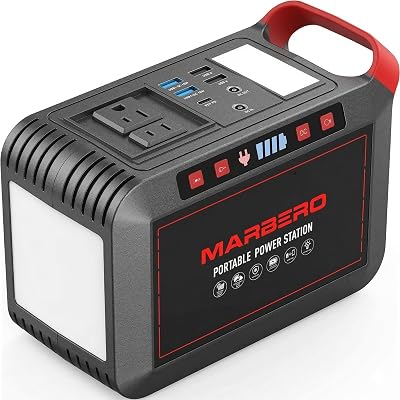
| Portable Power Station 300W MARBERO 237Wh Camping Sol… | MARBERO | ★ 4.2 | 8.7k | under $150 |
| MARBERO Solar Generator 111Wh Portable Power Station … | MARBERO | ★ 4.2 | 8.7k | under $150 |
Frequently Asked Questions
Can I run a generator in the rain at all? Not unprotected. You can run it during rain only if it is sheltered by an open-sided cover such as a generator tent or canopy that keeps water off the unit while allowing exhaust to disperse freely.
Why can’t I just put the generator in my garage during a storm? Because carbon monoxide from the exhaust will accumulate to deadly levels in any enclosed or partially enclosed space, even with the door open. Generators must always run outdoors.
What happens if a generator gets rained on? Water can cause short circuits, electric shock, and permanent damage to the alternator and electrical components. It can also void the warranty and create a serious electrocution hazard.
Is a generator tent safe to use? Yes, when set up correctly. A proper generator tent keeps all sides open for ventilation, protects against rain, and must never touch the hot exhaust or muffler.
Can I run a generator in the snow? Yes, with the same precautions as rain. Keep it elevated above accumulating snow, shelter it with an open-sided cover, and ensure the exhaust and air intake stay clear.
Conclusion
You can keep your generator running through wet weather, but only when you keep it dry and ventilated at the same time. Use an open-sided generator tent or canopy, maintain safe distance and exhaust direction, protect your cord connections from water, and never run an unprotected generator in the rain. Respect those limits and your generator will power you through the worst storms without putting anyone at risk.
Top picks from this guide
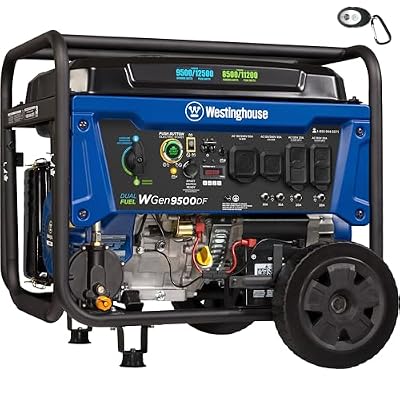 WestinghouseWestinghouse 12500 Watt Dual Fuel Home Backup Portable Generator, Remote…$999 \xc2\xb7 99/100
 MARBEROPortable Power Station 300W MARBERO 237Wh Camping Solar Generator Backup…$123 \xc2\xb7 99/100
 JackeryJackery Explorer 500 v2 Power Station, 512Wh/500W, AC Cable Included…$359 \xc2\xb7 97/100
 MARBEROMARBERO 111Wh Solar Generator with Panels Included Solar Panel Kit…$95 \xc2\xb7 96/100








Write Your Review
No reviews yet. Be the first to share your experience!