
⚡ Key Takeaways
- Why Proper Storage Matters So Much
- Step One: Manage the Fuel
- Step Two: Change the Oil
- Step Three: Protect the Engine Internals
- Step Four: Care for the Battery
- Step Five: Clean, Cover, and Choose the Right Location
- The Trouble With Ethanol Fuel
- How Often to Exercise a Stored Generator
- Bringing a Generator Out of Storage
- A Maintenance-Free Backup Option
- Related Guides
- Frequently Asked Questions
- Conclusion
- Related Articles

Prime
Best Seller
Westinghouse 12500 Watt Dual Fuel Home Backup Portable Generator, Remote Electric Start, Transfer Switch Ready, Gas and Propane Powered


- Gasoline begins to degrade in as little as 30 days.
- You have two solid strategies, depending on how long the generator will sit.
- Used engine oil contains acidic combustion byproducts and moisture that can corrode internal parts during a long rest.
- For long-term storage, fogging the cylinder adds extra insurance against rust.
Knowing how to store a generator properly is the difference between a machine that fires up on the first pull during an emergency and one that leaves you stranded with a gummed-up carburetor. Generators spend most of their lives sitting idle, and it is precisely during that downtime that the worst damage occurs. Stale fuel, internal corrosion, and a dead battery are the three most common reasons a generator fails to start when you finally need it. The good news is that a proper storage routine takes less than an hour and dramatically extends your unit’s lifespan and reliability. This guide walks you through short-term and long-term storage step by step.
As an Amazon Associate we earn from qualifying purchases at no extra cost to you.


🛒 Best Price Today on Amazon
Prime members get fast, free shipping on everything above, plus member-only deals. New members get a 30-day free trial — cancel anytime.
Why Proper Storage Matters So Much
Gasoline begins to degrade in as little as 30 days. As it breaks down, it leaves varnish and gum deposits that clog the tiny jets and passages inside a carburetor. Ethanol-blended fuel, the standard at most gas stations, makes things worse because it attracts moisture, which leads to corrosion and phase separation in the tank. Meanwhile, moisture in the air can rust internal engine parts, and an unmaintained battery slowly discharges until it can no longer crank the engine. A few minutes of preparation prevents every one of these problems.
Step One: Manage the Fuel
Fuel is the number one storage concern. You have two solid strategies, depending on how long the generator will sit.
| Storage Duration | Recommended Fuel Approach |
|---|---|
| Under 30 days | Fill tank, add fuel stabilizer, run engine 10 minutes |
| 1 to 6 months | Stabilize a full tank, or drain completely |
| Over 6 months | Drain tank and carburetor fully |
For short to medium storage, add a quality fuel stabilizer to a full tank, then run the engine for about ten minutes so the treated fuel circulates through the carburetor. A full tank also leaves less room for condensation to form. For long-term storage, the safest path is to drain the fuel entirely. Empty the tank, then run the engine until it stalls to burn off whatever remains in the carburetor, or use the carburetor drain screw if your model has one.
Step Two: Change the Oil
Used engine oil contains acidic combustion byproducts and moisture that can corrode internal parts during a long rest. Always change the oil before storing a generator for an extended period. Run the engine briefly to warm the oil so it drains completely, then refill with the grade specified in your manual. Fresh oil coats the internals with clean protection. A generator maintenance kit bundles the right oil, filters, and spark plug so you can knock out this step and a full tune-up in one session.
Step Three: Protect the Engine Internals
For long-term storage, fogging the cylinder adds extra insurance against rust. Remove the spark plug, spray a small amount of fogging oil or a teaspoon of clean engine oil into the cylinder, then pull the starter cord slowly a few times to coat the cylinder walls. Reinstall the spark plug but leave it slightly loose if you want to remember it needs final tightening, or simply note it. This thin film of oil prevents corrosion on the piston and cylinder during months of inactivity.
Step Four: Care for the Battery
Generators with electric start rely on a battery that will slowly self-discharge in storage. Disconnect the battery and store it in a cool, dry place, and connect it to a trickle charger or battery maintainer to keep it topped off. A maintained battery can last several years, while a neglected one often needs replacement after a single season of storage. If your unit has a recoil pull start as a backup, test it occasionally so you have a fallback.
Step Five: Clean, Cover, and Choose the Right Location
Wipe down the generator to remove dirt, debris, and any fuel or oil residue. Store it in a clean, dry, well-ventilated space such as a garage or shed, off the bare ground on a pallet or shelf to avoid moisture wicking up from concrete. Cover it with a breathable generator cover rather than a sealed plastic tarp, which traps condensation against the metal. Keep stored fuel separate, in approved containers, away from any ignition source and never inside living spaces.
If you store extension cords and accessories alongside the unit, coil them loosely to avoid kinks. A dedicated generator extension cord kept with the generator means you are never hunting for the right cord during an outage.
The Trouble With Ethanol Fuel
Much of the gasoline sold at American pumps contains up to 10 percent ethanol, and this blend is a leading cause of storage headaches. Ethanol is hygroscopic, meaning it actively attracts and absorbs moisture from the air. Over weeks of storage, that absorbed water can separate from the fuel in a process called phase separation, leaving a layer of water and alcohol at the bottom of the tank that corrodes metal and will not burn properly. The result is a generator that sputters, runs rough, or refuses to start when you finally need it.
To fight this, many owners use ethanol-free gasoline when it is available, since it stores longer and is far gentler on small engines and fuel systems. If you can only get ethanol-blended fuel, a stabilizer formulated to combat ethanol problems is essential, and draining the system for long storage becomes even more important. Whichever fuel you use, never leave untreated ethanol gas sitting in a generator for months and expect a clean start.
How Often to Exercise a Stored Generator
A generator that simply sits, even when prepared correctly, benefits from periodic exercise. Starting and running the unit for several minutes every month or two accomplishes several things at once: it circulates oil to keep seals and internal parts lubricated, burns off any minor moisture, keeps the carburetor passages clear of forming deposits, and recharges an electric-start battery that would otherwise slowly drain. It also gives you the chance to catch a problem during calm times rather than discovering it in the dark during an outage. Apply a light load during the exercise run, like a couple of work lights, so the engine works under realistic conditions. Mark a recurring reminder on your calendar so this simple habit does not slip.
Bringing a Generator Out of Storage
When it is time to use your generator again, reverse the key steps. Reconnect and reinstall the battery, add fresh fuel if you drained the tank, check the oil level, and inspect the air filter and spark plug. Start the unit and let it run for a few minutes under no load to confirm it is operating smoothly before you rely on it. Doing a test run every few months during storage is the single best habit for guaranteeing a first-pull start.
A Maintenance-Free Backup Option
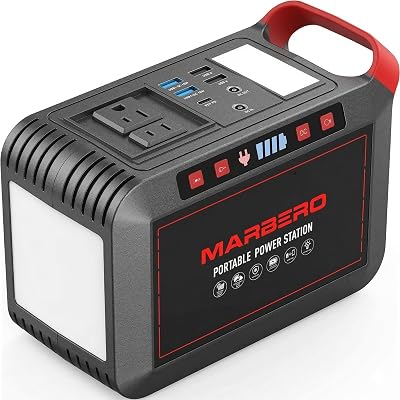
Battery-based backup power sidesteps fuel storage headaches entirely. A portable power station or solar generator can sit for months and still hold a charge, with no carburetor to gum up or oil to change. Keeping one charged alongside your gas generator gives you instant, fuss-free power for small loads while your main unit handles the heavy lifting.
Frequently Asked Questions
Should I store my generator with fuel in it or empty? For storage under a few months, a full tank with fuel stabilizer is fine and reduces condensation. For storage longer than six months, drain the tank and carburetor completely to prevent gum and varnish buildup.
How long can gasoline sit in a generator? Untreated gasoline starts degrading in about 30 days. With a fuel stabilizer, it can last three to six months. Beyond that, draining the fuel is the safer choice.
Do I need to change the oil before storing a generator? Yes. Old oil holds acids and moisture that corrode the engine during storage. Always change to fresh oil before long-term storage.
Where should I store my generator? In a clean, dry, well-ventilated space such as a garage or shed, raised off the ground and covered with a breathable cover. Store fuel separately in approved containers away from ignition sources.
How often should I run a stored generator? Start and run it for a few minutes every month or two. Periodic exercise keeps the carburetor clear, charges the battery, and confirms the unit is ready when you need it.
Conclusion
A generator that is stored correctly is a generator you can trust. Stabilize or drain the fuel, change the oil, protect the cylinder and battery, and keep the unit clean, dry, and covered. Run it occasionally to keep everything limber. Spend that one hour now, and your generator will reward you with reliable power the moment the lights go out.
Top picks from this guide
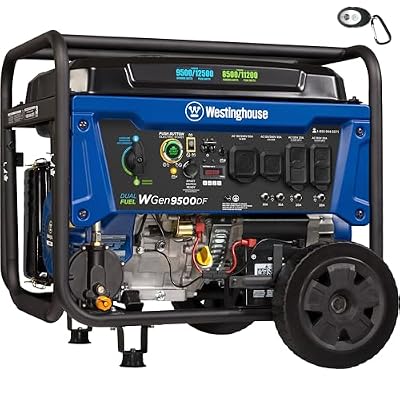 WestinghouseWestinghouse 12500 Watt Dual Fuel Home Backup Portable Generator, Remote…$999 \xc2\xb7 99/100
 MARBEROPortable Power Station 300W MARBERO 237Wh Camping Solar Generator Backup…$123 \xc2\xb7 99/100
 JackeryJackery Explorer 500 v2 Power Station, 512Wh/500W, AC Cable Included…$359 \xc2\xb7 97/100
 WENWEN DF450i Super Quiet 4500-Watt Dual RV-Ready Portable Inverter Generator…$700 \xc2\xb7 96/100









Write Your Review
No reviews yet. Be the first to share your experience!