
🛒 Best Price Today on Amazon
Prime members get fast, free shipping on everything above, plus member-only deals. New members get a 30-day free trial — cancel anytime.
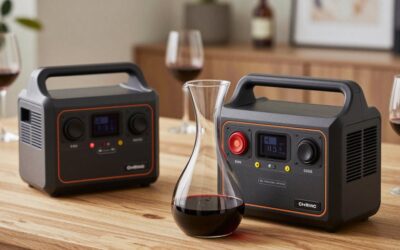
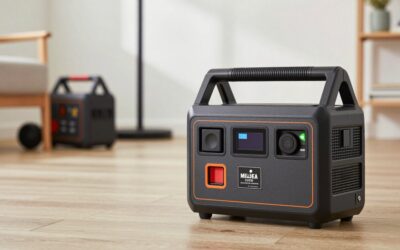
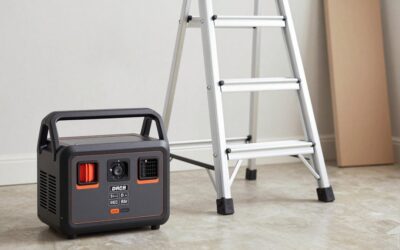
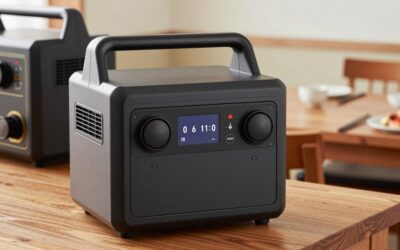
Because the Bluetti Pioneer Na is designed for cold weather, it is natural to assume it is also a good way to run a space heater. The sodium-ion battery certainly works in the cold, and the 1,500W inverter can run a typical heater. But cold-weather battery performance and heating capacity are two different things. With roughly 900Wh of storage, the Pioneer Na can run a space heater for less than an hour on high. This guide explains that gap and offers ways to use the Pioneer Na’s cold-weather strengths to stay warm more efficiently.
The key figures
Confirm against Bluetti’s current spec sheet: about 900Wh of sodium-ion capacity, 1,500W continuous output and a resistive-only boost mode around 2,250W. Bluetti rates charging down to about 5°F and discharging to about -13°F. The unit is not expandable, and availability has varied, with some regions reporting discontinuation.
Space heater runtimes
About 765Wh usable is assumed. Cold room temperatures will not reduce this as much as they would for a lithium unit, which is the Pioneer Na’s advantage.
| Heating load | Draw | Estimated runtime | Heat output |
|---|---|---|---|
| Space heater, high | 1,500W | ~30 minutes | ~5,100 BTU/hr |
| Space heater, low | 750W | ~1 hour | ~2,560 BTU/hr |
| Radiant panel heater | ~400W | ~1.9 hours | ~1,365 BTU/hr |
| Heated mattress pad (queen, both sides low) | ~80W | ~9.5 hours | direct body heat |
| Heated vest via USB | ~10W | days | direct body heat |
Why cold tolerance does not equal heating capacity
A sodium-ion battery that works at -13°F solves the battery’s cold problem, not yours. Heating air requires a lot of energy. A 12 by 12 foot room with average insulation on a freezing night can lose 2,000 to 4,000 BTU per hour, and 900Wh contains only about 3,070 BTU in total. In other words, the Pioneer Na holds roughly one hour of heating for a single small room, even before losses.
Using the Pioneer Na smartly in winter
Power the furnace instead of a heater
For homes with a gas or propane furnace, the fuel carries the heating load, and the blower and controls typically need only 300 to 800W. A 1,500W inverter can usually start and run a furnace blower. Connecting it safely requires a dedicated inlet and transfer switch or interlock, or a furnace cord kit, installed by a licensed electrician. Never backfeed house wiring through a wall outlet.
Heat the person
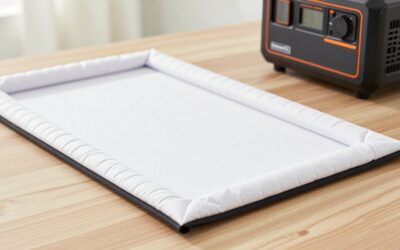
Heated mattress pads, electric blankets and heated clothing turn the Pioneer Na’s energy into many hours of warmth. A single heated pad can run for most of a night.
Keep the house tight
Shut off unused rooms, close curtains after dark and block drafts under doors. Gather in one room so body heat helps.
Fuel-burning heaters and CO
When a battery can’t provide enough heat, people often reach for propane or kerosene heaters. Only use units rated for indoor use, follow the ventilation requirements and keep a working CO alarm in the same room. Never bring outdoor propane heaters, grills or camp stoves inside. If you recharge the Pioneer Na with a gas generator, run the generator outdoors at least 20 feet from the house, never in a garage or on a porch, with exhaust directed away.
The real cold-weather advantage
Where the Pioneer Na shines is keeping essentials running in cold spaces: a CPAP in a chilly bedroom, a router and phones in an unheated room, or a freezer in a garage. It can be charged by solar on a frosty morning without first being warmed indoors, which makes multi-day winter outages easier to manage.
How long would a room stay warm after the heater stops?
Not long. In a typical frame house on a freezing night, a room warmed by 10°F will lose most of that gain within 30 to 60 minutes after the heater shuts off, faster if there are drafty windows. Masonry walls, heavy furniture and closed curtains slow the loss somewhat. This is why short heater bursts feel good but rarely change the overnight picture. Warming the people in the room with heated bedding and layers is the approach that actually holds up through the night.
FAQ
Does the resistive boost mode make a heater run longer?
No. It lets higher-wattage resistive loads operate, but it drains the battery faster. Runtime depends on total energy, not peak output.
Can I charge the Pioneer Na while the heater runs?
With pass-through charging and grid or generator power, yes. In that case, plugging the heater directly into the source is more efficient.
Bottom line
The Bluetti Pioneer Na can run a space heater for about 30 minutes on high or an hour on low. Its sodium-ion battery works in the cold but does not hold enough energy for sustained room heating. Use it for furnace blowers, heated bedding and essential electronics instead.
Write Your Review
No reviews yet. Be the first to share your experience!