
🛒 Best Price Today on Amazon
Prime members get fast, free shipping on everything above, plus member-only deals. New members get a 30-day free trial — cancel anytime.
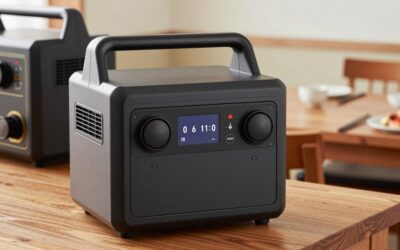
Winter outages test a battery differently than summer storms do. The house is cold, so any heat you make costs a lot of energy; the station itself may be sitting in a cold room; and ice storms can keep lines down for days while clouds block solar recharge. The Jackery HomePower 3000 can be a useful part of a winter plan, but only if you are realistic about what 3 kWh of 120V power does against the cold.
The short version
It can keep a gas furnace running, which is the single most valuable winter load, provided an electrician has given you a safe way to connect it. It cannot heat a house with electric resistance heat for more than a few hours. Everything in this article flows from that distinction.
What the spec sheet tells a winter buyer
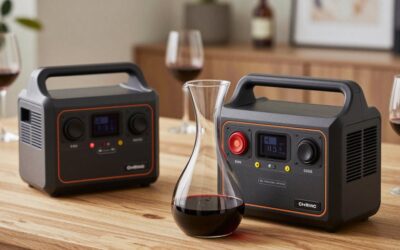
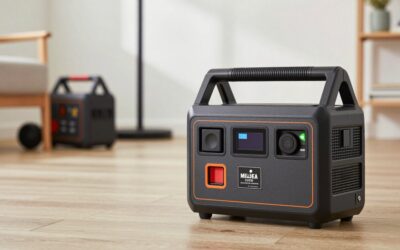
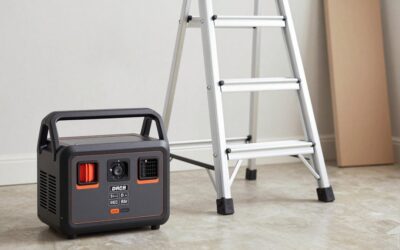
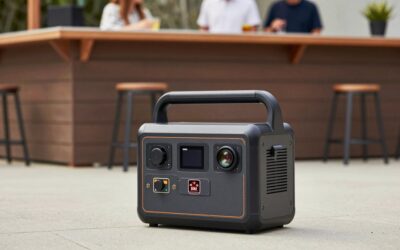
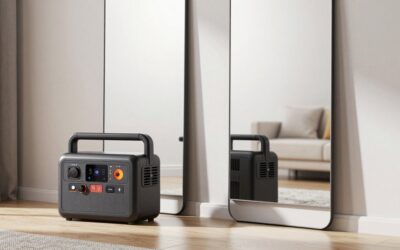
Jackery lists about 3,072 Wh of LiFePO4 storage, roughly 3,600 W continuous 120V output, a surge rating around twice that, and a weight near 60 pounds. It is 120V only and not expandable. Jackery also advertises low self-discharge in storage, which suits a unit that may sit for months between cold snaps. Confirm current figures on the spec sheet before planning circuits.
Winter loads, ranked by value per watt-hour
| Load | Running watts | Energy per 24 hours | Worth it? |
|---|---|---|---|
| Gas furnace blower and controls | 300–800 W while cycling | 2,000–5,000 Wh depending on cold | Highest value: keeps the whole house warm |
| Refrigerator (cold kitchen) | 100–200 W average | 900–1,500 Wh | Optional: the garage or porch can act as a cooler |
| Sump pump during thaw | 800–1,000 W running | 200–1,200 Wh | Critical if snowmelt floods |
| Electric blanket | 50–100 W | 400–800 Wh overnight | Excellent: warms a person, not a room |
| 1,500 W space heater | 750–1,500 W | 6,000+ Wh if run all day | Poor: empties the battery in about 2 hours |
That last row surprises people. A plug-in heater is the most tempting thing to run and the least efficient use of a battery. An electric blanket or heated mattress pad delivers comfort for a fraction of the energy.
Running the furnace safely
Most gas furnaces are hardwired, so you cannot just plug them in. The right approach is a manual transfer switch or a dedicated furnace inlet installed by a licensed electrician. Some furnaces are picky about power quality; the HomePower 3000 produces pure sine wave output, which most modern control boards accept. Never backfeed a panel with a homemade cord; it endangers utility crews and can start fires.
Keeping the battery itself warm
LiFePO4 chemistry generally will not accept a charge below about 32°F, and capacity drops as cells get colder. Keep the station in the warmest occupied room, not an unheated garage. If the house drops into the 40s, capacity loss is modest; if the battery sits near freezing, expect charging to be blocked until it warms.
Recharging when the sky is gray
Winter solar is weak. Short days and low sun angles might give you one to two peak-sun-hour equivalents, so a 600 W panel set may return only 500 to 1,000 Wh, and nothing if panels are snow-covered. For multi-day ice storms, a small gas or dual-fuel generator is the practical recharger. Run it at least 20 feet from the house, never in a garage, porch or breezeway even with the door open, and clear snow so the exhaust is not trapped. Put battery-powered CO alarms on every floor. Winter is the peak season for generator CO poisonings because people bring generators closer to stay warm while refueling.
A sample 24-hour plan
Run the furnace in morning and evening blocks, let the house coast overnight to the low 60s, use an electric blanket for sleep, keep phones and a radio charged and let the fridge contents sit in a cold room or cooler. That routine fits roughly one charge per day in moderate cold.
FAQ
Can the HomePower 3000 run a heat pump?
Generally not. Most central heat pumps need 240V and draw several kilowatts, which is outside this unit’s 120V-only output.
Is it safe to use indoors during a winter outage?
Yes. It burns no fuel and produces no carbon monoxide, which makes it far safer indoors than any gas appliance or generator.
Bottom line
The Jackery HomePower 3000 is good for winter outages when you use it to power a gas furnace blower, a sump pump and small comfort loads, with an electrician-installed connection and a recharge plan for cloudy days. It is not a heat source. Households with electric heat or 240V heat pumps should look at larger 240V systems or a properly installed standby generator.

Write Your Review
No reviews yet. Be the first to share your experience!