
🛒 Best Price Today on Amazon
Prime members get fast, free shipping on everything above, plus member-only deals. New members get a 30-day free trial — cancel anytime.
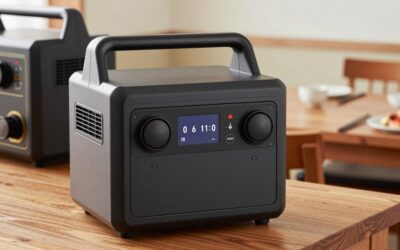
Older generators had a low-oil light and not much else. Newer portable and inverter generators have digital displays, multi-color LEDs, and blinking codes that report overloads, low oil, CO shutdowns, output faults, and service reminders. Codes differ by brand and model, and there is no universal list, so the most important step is always the manual. What this guide gives you is the logic behind the most common code categories and the fix for each.
How generator codes are usually organized
Most brands group alerts into a small number of categories, shown either as text, a numbered code, or a pattern of blinks on a specific indicator. Counting blinks is often part of the diagnosis; for example, some units flash a light a set number of times, pause, and repeat.
| Category | Typical indicator | What triggered it | First fix |
|---|---|---|---|
| Overload | Red light or “OL” message | Load above rated output or surge too high | Unplug loads, reset, restart |
| Low oil | Yellow/amber oil icon | Oil below sensor level or unit tilted | Level unit, top up oil |
| CO shutdown | CO symbol or specific blink pattern | CO accumulation around the unit | Move unit farther from structures |
| Output/inverter fault | Fault code or flashing output light | Inverter module, overtemp, short | Cool down, check cords |
| Maintenance reminder | Wrench icon or hour alert | Service interval reached | Change oil/plug, reset per manual |
Overload codes
The most common alert. A single big motor starting, or several loads on one outlet, exceeds output. Unplug everything, press the reset if equipped, restart, and reintroduce loads one at a time, largest motor first. On inverter generators, parallel kits can add capacity if you routinely need more.
Low-oil codes
Inverter generators often hold less than a quart of oil, so modest consumption triggers the sensor. Check with the unit on level ground. If the code persists with correct oil level, the sensor or its wire may be faulty, a job for a service center.
CO shutdown codes
Many generators now include carbon monoxide sensing that shuts the engine off when CO builds up near the unit. A CO shutdown means the location is unsafe, not that the generator is broken. Move it to open air, at least 20 feet from the home, with exhaust pointing away from doors and windows. Some models also flag a CO sensor fault, in which case they may not run until serviced. Never tape over, disconnect, or bypass the sensor.
Output and inverter faults
On inverter generators, the inverter module can report overheating, short circuits, or internal faults. Check for damaged cords, water in outlets, and blocked vents. Let it cool 30 minutes. If the fault returns without load, the module may need replacement under warranty.
Maintenance reminders
Hour meters with service prompts are helpful. Typical intervals are first oil change around 5 to 25 hours on a new engine, then every 50 to 100 hours, with spark plug and air filter service around 100 to 300 hours depending on the manual. Reset procedures vary; some require holding a button while starting.
Connected apps
Bluetooth or Wi-Fi models often show full code descriptions in the app, along with fuel level, runtime, and load. If your display only shows a number, the app may translate it. Keep the app updated since code definitions can change with firmware.
General reset routine
- Turn off loads and the engine.
- Wait until the display clears or the unit cools, at least a few minutes.
- Correct the obvious cause: level, oil, location, load.
- Restart with no load, confirm the code is gone, then add loads gradually.
Keep a code log
Intermittent codes are the hardest to diagnose because they are gone by the time you call support. Keep a simple log taped inside the generator cover or in your phone: the date, the code or blink count, what was plugged in, outside temperature, fuel type, and hours on the meter. Patterns show up quickly. An overload code that appears only when the well pump and fridge start together tells you to stagger loads. A low-oil code that appears only after six or more hours of running tells you the engine is consuming oil and needs topping every refuel. A CO shutdown that happens only on calm nights near the house wall tells you to move the unit farther out. Service technicians can diagnose far faster with this record in hand.
FAQ
My generator shows a code with no load connected. What now?
That points away from overload and toward low oil, a sensor fault, or an inverter or CO sensor issue. Check oil and position first, then contact service with the exact code.
Where can I find my generator’s code list?
In the owner’s manual, usually in the troubleshooting section, and on the manufacturer’s support website under your model number.
Bottom line
Identify the category, overload, low oil, CO, output fault, or maintenance, and fix the root cause instead of repeatedly resetting. Treat CO shutdowns as a location warning, and keep the manual or app handy for model-specific codes.



Write Your Review
No reviews yet. Be the first to share your experience!