
🛒 Best Price Today on Amazon
Prime members get fast, free shipping on everything above, plus member-only deals. New members get a 30-day free trial — cancel anytime.
Most power station reviews obsess over capacity. The SOLIX C1000 makes a better case for itself on a different metric: how quickly it refills. It sits in the roughly 1kWh class with LiFePO4 cells and an inverter in the 1,800W range, but its standout trait is very fast AC recharging, in the neighborhood of an hour from empty. For people who live with rolling outages, planned shutoffs, or grids that flicker back on for short windows, recharge speed can matter more than raw watt-hours. This review asks whether that trait makes the C1000 worth buying for your situation.
Why recharge speed changes the value equation
Imagine a utility running rotating blackouts: two hours off, four hours on. A slow-charging 1kWh unit might recover only 300 to 400Wh during each four-hour window at 100W from a laptop-style brick. A fast-charging unit can go from nearly empty to full inside one window. Over a three-day event, the fast charger effectively delivers several times its rated capacity because it is refilled between every outage.

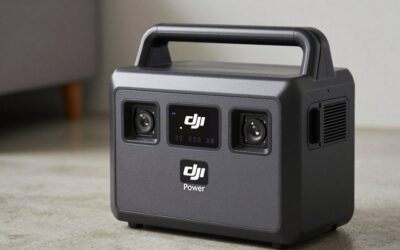
Anker SOLIX C1000 Portable Power Station with Car Charging Cable, 1,056Wh
Included for 'Anker SOLIX C1000 Review: Is It Worth Buying in 2026?' because the listing specifies 056Wh, details this guide uses to compare options.
View on Amazon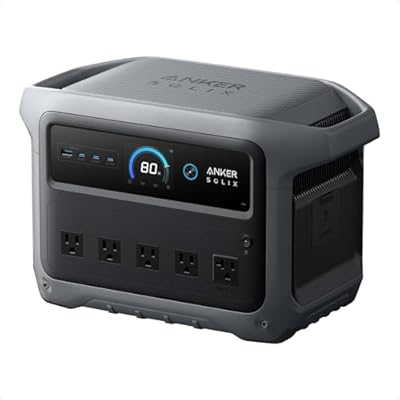
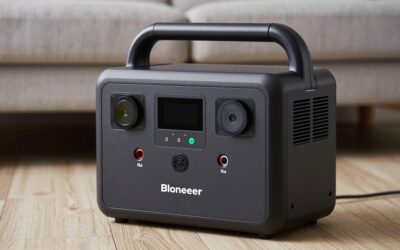
Anker SOLIX C1000 Gen 2 Portable Power Station
Included for 'Anker SOLIX C1000 Review: Is It Worth Buying in 2026?' as a relevant option in this category; details come from the product listing.
View on Amazon
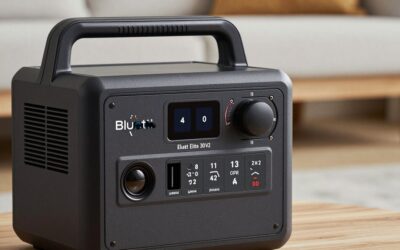
Anker SOLIX C1000 Portable Power Station (Black), 1,056Wh, 1,800W, Camping
Included for 'Anker SOLIX C1000 Review: Is It Worth Buying in 2026?' because the listing specifies 056Wh and 800W, details this guide uses to compare options.
View on Amazon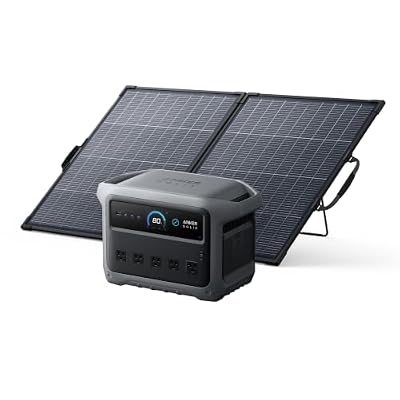
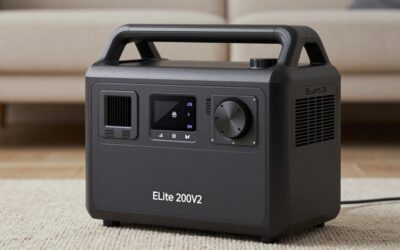
Anker SOLIX C1000 Gen 2 Portable Power Station with 200W Solar Panel
Included for 'Anker SOLIX C1000 Review: Is It Worth Buying in 2026?' as a relevant option in this category; details come from the product listing.
View on AmazonRecharge time at different input levels
Assuming roughly 950Wh to refill and typical charging efficiency:
| Charging source | Approximate input | Time to full |
|---|---|---|
| Fast AC mode | 1,100-1,300W | ~55-70 minutes |
| Standard AC mode | 400-600W | ~2-2.5 hours |
| Solar, two 200W panels at noon | ~280-320W real | ~3.5-4 hours of peak sun |
| Solar, one 100W panel | ~70W real | ~14 hours of peak sun |
| 12V car socket | ~100-120W | ~8-10 hours |
The gap between fast AC and everything else is striking, which is why the C1000’s pitch fits grid-connected homes far better than off-grid campers.
Who gets the most out of it
The ideal owner lives where outages are frequent but short: areas with public safety power shutoffs that last several hours, regions with aging grids, or apartments with building-level interruptions. It also suits people who want to shift a little energy, charging on cheap off-peak rates and running a home office from the battery during expensive peak hours, although the savings from that are small, often $3 to $10 per month at typical rate spreads.
Who gets less out of it
Off-grid campers gain little from fast AC charging, since there is no wall outlet at a trailhead. For them, solar input limits and weight matter more, and a unit with higher solar input per dollar may be the better buy.
What the inverter can run
An inverter around 1,800W with higher surge handles most kitchen countertop appliances one at a time: a 1,000W microwave, a 1,200W drip coffee maker, a 1,500W induction plate on medium. Each 10-minute session costs 170 to 250Wh, so running the kitchen quickly eats into capacity. Motor loads like a full-size fridge, a 1/3 horsepower sump pump, or a small window AC typically start without trouble.
Practical runtime snapshot
With roughly 900Wh usable, a full-size fridge averaging 70W runs about 13 hours; a router plus a 50W laptop setup runs about 12 hours; a CPAP without humidifier runs about 3 nights.
Weight and form factor
At roughly 27 to 28 pounds with a built-in handle design, it is on the heavier side of the 1kWh class. That is fine for a home unit that moves room to room and a car trunk now and then, but noticeable if you intend to carry it to a campsite regularly.
Longevity considerations
Fast charging generates more heat than slow charging. LiFePO4 handles it well, but you can extend service life by using the standard charge mode when you are not in a hurry and saving fast mode for outages. With LiFePO4 cells commonly rated for around 3,000 cycles, a unit charged daily would reach 80 percent capacity only after many years; calendar aging and heat exposure will likely matter more.
FAQ
Is fast charging bad for the C1000’s battery?
Occasional fast charging is fine for LiFePO4 chemistry. Using the slower mode for routine top-ups reduces heat and can modestly extend lifespan.
Can I use the C1000 as a home UPS?
It can pass through power while plugged in and switch to battery when the grid drops. Check the rated switchover time; for desktop PCs, under 20 milliseconds is the safe target.
Bottom line
The SOLIX C1000 is worth buying if you live with frequent, short outages or rotating shutoffs where fast recharging multiplies usable energy. If you are mostly off-grid, prioritize solar input and weight instead, and consider whether a lighter or more solar-focused 1kWh unit delivers better value for your trips.
Write Your Review
No reviews yet. Be the first to share your experience!