
⚡ Key Takeaways
- What Sets Dual Fuel Generators Apart
- The Big Advantage: Fuel Flexibility
- Head-to-Head Comparison
- Power Output Differences
- Cost and Complexity
- Maintenance Considerations
- Which Should You Choose?
- How to Switch Fuels on a Dual Fuel Generator
- Who Benefits Most From Dual Fuel
- Connecting Either Type to Your Home
- Related Guides
- Frequently Asked Questions
- Conclusion
- Related Articles
- Related Guides

Prime
Best Seller
Westinghouse 12500 Watt Dual Fuel Home Backup Portable Generator, Remote Electric Start, Transfer Switch Ready, Gas and Propane Powered



- A dual fuel generator is built with a fuel selector and the plumbing to accept both gasoline from an onboard tank and propane from an external tank.
- The headline benefit of dual fuel is choice.
- The table below lays out the key differences between dual fuel and gas-only generators.
- On gasoline, a dual fuel unit performs essentially like a gas-only model of the same rating.
When shopping for backup power, you will quickly run into the dual fuel vs gas generator question, and it is one worth thinking through carefully. A traditional gas generator runs on gasoline alone, while a dual fuel generator can run on either gasoline or propane, giving you the freedom to switch fuels based on what is available. That flexibility sounds like an obvious win, but dual fuel models come with their own trade-offs in cost, complexity, and power output. This guide compares the two side by side across the factors that matter most so you can decide whether the versatility of dual fuel is worth it for your needs.
As an Amazon Associate we earn from qualifying purchases at no extra cost to you.




🛒 Best Price Today on Amazon
Prime members get fast, free shipping on everything above, plus member-only deals. New members get a 30-day free trial — cancel anytime.
What Sets Dual Fuel Generators Apart
A dual fuel generator is built with a fuel selector and the plumbing to accept both gasoline from an onboard tank and propane from an external tank. You choose which fuel to run before starting, and the generator’s engine is designed to operate on either. A standard gas generator, by contrast, is engineered around gasoline only, with a simpler fuel system. The core engine technology is similar, but the dual fuel unit adds a propane regulator, hose connection, and a switching mechanism that a gas-only model lacks.
The Big Advantage: Fuel Flexibility
The headline benefit of dual fuel is choice. During a widespread outage, gas stations may be closed or pumps may be down, but if you have propane tanks stored at home, you can keep running. Conversely, if you run out of propane, you can switch to gasoline. This redundancy is especially valuable for emergency preparedness, where you cannot predict which fuel will be available. Propane also stores indefinitely, so a dual fuel owner can keep spare tanks on standby for years without worrying about fuel going stale.
Head-to-Head Comparison
The table below lays out the key differences between dual fuel and gas-only generators.
| Factor | Dual Fuel Generator | Gas-Only Generator |
|---|---|---|
| Fuel options | Gasoline or propane | Gasoline only |
| Fuel flexibility in emergency | High | Limited |
| Power output | Slightly lower on propane | Full on gasoline |
| Long-term fuel storage | Excellent (propane) | Poor (gas degrades) |
| Upfront cost | Higher | Lower |
| Maintenance | Cleaner on propane | More carburetor care |
| Complexity | More components | Simpler |
Power Output Differences
One trade-off to understand is that dual fuel generators typically produce slightly less power when running on propane than on gasoline, often around 10 percent less, because propane carries less energy per unit volume. On gasoline, a dual fuel unit performs essentially like a gas-only model of the same rating. If you frequently run near the generator’s maximum capacity, you will want to account for that propane derating, or simply run on gasoline when you need the full output. For most homeowners powering essentials, the difference is minor.
Cost and Complexity
Dual fuel generators generally cost more upfront than comparable gas-only models because of the added propane components. They also have more parts that could eventually need attention. However, the propane side runs cleaner, leaving fewer carbon deposits and no carburetor-gumming varnish, which can reduce maintenance over time. A gas-only generator is simpler and cheaper to buy, but you are locked into a single fuel that degrades quickly and may be hard to obtain during an emergency.
Maintenance Considerations
Both types share the same core engine maintenance needs: regular oil changes, air filter cleaning, and spark plug checks. The dual fuel advantage is that running on propane keeps the fuel system cleaner, which can mean fewer no-start problems after storage. Whichever you choose, keeping a generator maintenance kit on hand with the right oil, filters, and plugs ensures your unit stays reliable and delivers its rated power year after year.
Which Should You Choose?
Choose a dual fuel generator if emergency preparedness and fuel flexibility are your priorities, if you want the option to store propane indefinitely, or if you live somewhere where fuel availability during outages is uncertain. Choose a gas-only generator if you want the lowest upfront cost, the simplest machine, and maximum power output, and you are confident you can keep gasoline on hand. Many buyers find the modest price premium of dual fuel well worth the peace of mind that comes from never being stranded by a single unavailable fuel.
How to Switch Fuels on a Dual Fuel Generator
Operating a dual fuel generator is straightforward once you understand the routine. Most models have a three-position fuel selector dial, typically marked for gasoline, off, and propane. You choose your fuel before starting, never while the engine is running. To run on gasoline, you fill the onboard tank as you would any gas generator. To run on propane, you connect a hose from a propane tank, the standard 20-pound cylinder is common, open the tank valve, set the dial to propane, and start the unit. Switching from one fuel to the other requires stopping the engine, changing the selector, and restarting, so it is a deliberate action rather than an on-the-fly change.
A practical tip for emergencies is to start and run on propane when you expect a long outage, preserving your perishable gasoline, then switch to gasoline only when you need maximum output or when propane runs low. This strategy makes the most of each fuel’s strengths and is precisely the kind of flexibility that draws people to dual fuel in the first place.
Who Benefits Most From Dual Fuel
Certain owners gain far more from dual fuel than others. Rural homeowners who already keep large propane tanks for heating or cooking have a ready, abundant fuel source on hand, making dual fuel a natural fit. People in hurricane-prone or storm-heavy regions, where outages can be long and gas stations unreliable, value the redundancy of two fuel options. Preppers and anyone building a long-term emergency plan appreciate propane’s indefinite shelf life for stockpiling. On the other hand, a casual user who only needs occasional short-term backup and can easily keep fresh gasoline on hand may find a simpler, cheaper gas-only generator perfectly adequate. Matching the machine to your real-world situation, rather than to the most feature-rich option, is the key to a satisfying purchase.
Connecting Either Type to Your Home
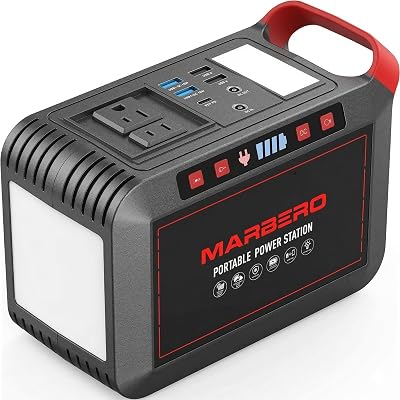
Regardless of which generator you pick, how you deliver the power is the same. For powering appliances directly, use a heavy-duty generator extension cord to keep the unit safely outdoors. To energize your home’s circuits, have a licensed electrician install a generator interlock kit so the generator ties into your panel safely without backfeeding the grid. And for small, fuel-free backup that complements either type, a portable power station or solar generator handles lights and devices silently with zero emissions.
Frequently Asked Questions
Is a dual fuel generator better than a gas generator? It depends on your priorities. Dual fuel offers fuel flexibility and indefinite propane storage, ideal for emergency preparedness, while gas-only generators are cheaper, simpler, and deliver full power. Neither is universally better.
Does a dual fuel generator produce less power on propane? Yes, slightly. Running on propane typically yields around 10 percent less output than gasoline because propane carries less energy per volume. On gasoline, a dual fuel unit performs like a comparable gas-only model.
Are dual fuel generators harder to maintain? They have a few more components, but running on propane keeps the fuel system cleaner with fewer carburetor problems. Core engine maintenance like oil and filter changes is the same for both types.
Why choose dual fuel for emergencies? Because fuel availability during an outage is unpredictable. Dual fuel lets you run on stored propane when gas stations are down, or switch to gasoline if propane runs out, giving you valuable redundancy.
Is a dual fuel generator worth the extra cost? For many buyers, yes. The modest price premium buys fuel flexibility, indefinite propane storage, and cleaner operation, which adds up to greater peace of mind during emergencies. If budget is tight and you can keep gasoline stocked, a gas-only model may suffice.
Conclusion
The dual fuel versus gas generator decision comes down to flexibility against simplicity and cost. Dual fuel models give you the freedom to run on whatever fuel is available and to store propane indefinitely, making them a strong choice for emergency readiness. Gas-only generators win on price, simplicity, and full power output. Weigh your fuel access, budget, and preparedness goals, and you will land on the right machine for your home.
Related guide: See our Best Portable Power Stations for Backup Power in 2026 for the top picks and buying advice.
Top picks from this guide
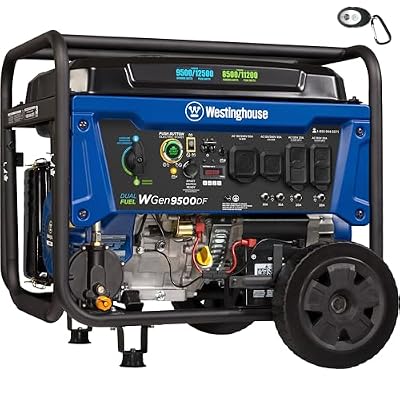 WestinghouseWestinghouse 12500 Watt Dual Fuel Home Backup Portable Generator, Remote…$999 \xc2\xb7 99/100
 MARBEROPortable Power Station 300W MARBERO 237Wh Camping Solar Generator Backup…$123 \xc2\xb7 99/100
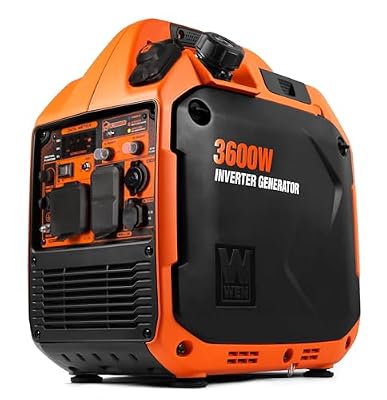 WENWEN Quiet and Lightweight 3600-Watt Dual Fuel RV-Ready Portable Inverter…$521 \xc2\xb7 97/100
 PowerSmartPowerSmart 3800 Watt Dual Fuel Inverter Generator for Camping or…$470 \xc2\xb7 97/100








Write Your Review
No reviews yet. Be the first to share your experience!