
🛒 Best Price Today on Amazon
Prime members get fast, free shipping on everything above, plus member-only deals. New members get a 30-day free trial — cancel anytime.
- Top Pick: Kidde Carbon Monoxide Detector, AA Battery Powered, Portable for Travel or Home, 85 dB Alarm, LED Status Indicators, 3rd Edition
- Best Value: FIRST ALERT CO605 Plug-in Carbon Monoxide Detector with Battery Backup, White
- Premium Choice: Generator Petcock Fuel Shutoff Valve M16x1.5mm Gas Shut Off Valve Fuel Petcock for Predator Generator Parts Petcock Valve For 3500W-9000W 5.5HP-16HP Predator Generac Duromax Powermate (1)
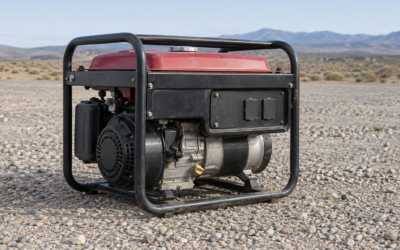
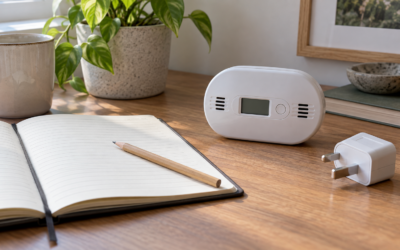
When comparing a carbon monoxide sensor with a generator shutoff, the real decision is not which product is “safer” in every situation. These devices address different points in the risk chain. A carbon monoxide (CO) sensor warns you after dangerous gas is present in the air, while a generator fuel shutoff valve helps stop the generator by cutting off its fuel supply. One protects people inside the home through detection and warning; the other helps manage the generator itself.
That distinction matters because a properly maintained portable generator should always run outdoors, well away from doors, windows, and vents. A fuel shutoff does not make indoor or poorly ventilated operation safe, and a CO detector does not replace correct generator placement. For most households, the best answer is not either-or: use CO alarms throughout the home and use the generator’s built-in or replacement fuel shutoff as part of normal equipment maintenance.
As an Amazon Associate we earn from qualifying purchases at no extra cost to you.


Quick Verdict
Choose a carbon monoxide sensor first if your priority is protecting sleeping occupants, children, pets, renters, or anyone who may not notice generator fumes quickly. It is inexpensive, compact, and useful around fuel-burning appliances even when a generator is not running.
Choose a generator fuel shutoff if you already own a compatible portable generator and want a straightforward way to stop fuel flow, prepare the engine for storage, or reduce stale gasoline in the carburetor. It is a generator-maintenance component, not a whole-home safety alarm.
For a typical home, CO alarms offer the broader safety benefit. A shutoff valve becomes worthwhile when it matches the generator’s fuel line, thread size, and operating requirements.
Side by Side
| Factor | Carbon monoxide sensor | Generator fuel shutoff |
|---|---|---|
| Primary job | Detects CO in indoor air and sounds an alarm | Stops gasoline flow to a compatible generator engine |
| Comfort | Passive; no effort after installation except testing and battery changes | Requires reaching the generator and turning a valve manually |
| Durability | Usually designed for several years of service; replace by the manufacturer’s date | Metal or plastic valve can last years, but seals may wear or leak |
| Typical price | About $15-$60 per alarm | About $7-$30 for a basic replacement valve; labor can cost more |
| Maintenance | Test monthly, replace batteries as needed, keep vents clear | Inspect for leaks, confirm fit, and operate before storage or service |
| Space needed | Roughly 3-6 inches wide or tall, depending on the model | Usually a small inline component around 2-4 inches long |
| Look | Visible wall, ceiling, plug-in, or tabletop device | Mostly hidden on or near the generator’s fuel system |
| Resale value | Little direct resale value; safety coverage helps the home | Can support generator usability if the replacement is correct and leak-free |
| Best for | Every home with fuel-burning appliances or an attached garage | Owners maintaining compatible gasoline-powered generators |
Where Carbon Monoxide Sensor Wins
The strongest advantage of a CO sensor is that it protects against a problem you cannot see, smell, or reliably predict. Carbon monoxide can enter a home from a malfunctioning furnace, fireplace, water heater, vehicle, or portable generator. A functioning alarm provides an audible warning before occupants would necessarily recognize the danger.
Placement is important. Install alarms on every level used by the household and outside sleeping areas. Follow the manufacturer’s instructions for distance from fuel-burning appliances and avoid placing the unit directly beside a window, door, or heating vent. In a bedroom, a loud alarm is especially valuable because sleeping people may not notice unusual symptoms.
Battery-powered models are convenient for renters and travel. A compact unit such as the under-$20 Kidde Carbon Monoxide Detector can be carried between a home and a vacation property, provided it is installed and maintained according to the instructions. A plug-in model such as the under-$30 FIRST ALERT CO605 adds continuous wall-power operation with battery backup, which can be convenient in a frequently used hallway or bedroom area.
CO sensors also win on versatility. They remain useful when the generator is stored, when the power is on, and when another appliance becomes the source of carbon monoxide. Some alarms include a digital display, peak-level memory, or voice alerts, but basic audible alarms can still provide the essential warning function.
The limitation is that an alarm responds to air quality; it does not prevent the generator from producing exhaust. It also requires testing, battery replacement, and eventual replacement of the alarm itself. Never silence a CO alarm and assume it is a nuisance. Move everyone to fresh air and investigate the source.
Where Shutoff Generator Wins
A generator fuel shutoff wins when the goal is engine care and fuel management. Turning off the fuel supply while the generator runs can allow gasoline in the carburetor to be consumed before storage. That may reduce the chance of old fuel causing starting problems, although the manufacturer’s storage procedure should take priority.
A shutoff can also make service more controlled. Closing the valve before disconnecting a fuel line or transporting a generator helps limit fuel flow, but the engine must be cool and the work must be performed safely. The generator should be off, unplugged from connected loads, and handled in a well-ventilated outdoor area.
Compatibility is the critical issue. Replacement valves may use a particular thread, such as M16x1.5mm, and may be marketed for generators in the 3,500- to 9,000-watt range or engines from roughly 5.5 to 16 horsepower. The two similarly named replacement petcocks priced for under $10 and under $10 illustrate how inexpensive this part can be, but price alone does not confirm fit. Check the original valve, fuel-line diameter, thread pitch, mounting shape, and generator model before buying.
A shutoff valve does not detect exhaust, sound an alarm, prevent carbon monoxide from entering a house, or automatically turn off a running generator when conditions become dangerous. If the valve leaks, sticks, or is installed with damaged seals, it can create a fuel hazard. For that reason, a replacement should be checked for seepage before the generator is operated under load.
Cost Over 5 Years
For a basic household, the five-year cost of CO protection is usually modest. One battery-powered alarm may cost about $15-$30, while a plug-in alarm with battery backup commonly costs about $20-$45. A larger home may need three to five alarms, bringing an initial total of approximately $45-$225. Battery replacement may add about $5-$15 over five years per unit, depending on battery type and replacement frequency.
Many alarms have a recommended service life of about five to 10 years, so a household may need to replace one or more units during the ownership period. Premium interconnected or smart alarms can raise the five-year equipment cost to roughly $150-$500 for a small home, before any subscription fees.
A generator fuel shutoff is cheaper as a single part: approximately $7-$30 for the valve itself, plus any shipping or installation. If a homeowner installs a compatible part, a five-year cost might remain under $40. Professional installation or a difficult repair can bring the total closer to $50-$150. Budget separately for fuel-system gaskets, hose, clamps, or carburetor service if the generator has been stored with old gasoline.
In practical terms, CO alarms cost more across a whole home, but they provide a broader safety function. A shutoff valve is inexpensive because it performs one mechanical task.
Which One for Your Home
Small apartment
Prioritize a CO sensor. A compact battery-powered alarm is useful when wall outlets are limited, and it can travel with you if you move. If the building prohibits portable generators on balconies or indoors, a generator shutoff may have little relevance to your living space. Never operate a gasoline generator inside an apartment, hallway, garage, or enclosed balcony.
Family with kids or pets
Use multiple CO alarms, especially outside bedrooms and on each occupied level. A loud alarm gives adults an immediate warning when children or pets cannot recognize symptoms. Place units where they cannot be easily unplugged or handled, but keep them accessible for monthly testing. If you own a generator, add a compatible fuel shutoff as a maintenance tool rather than treating it as a substitute for alarms.
Rental home
A battery-powered CO alarm is often the simplest personal investment, even if the landlord provides required detectors. Confirm that existing alarms work, ask about their replacement dates, and follow local housing rules. Do not modify a generator’s fuel system without permission if the generator belongs to the property owner. For a personally owned generator, use only a properly matched replacement valve.
Long-term home
A long-term homeowner can benefit from a layered setup: interconnected or strategically placed CO alarms, regular testing, and a generator maintained according to its manual. If the generator is used for seasonal outages, a shutoff valve may help with storage preparation. Keep the generator outdoors at least the distance specified by its manual and local fire guidance, with exhaust directed away from the house.
FAQ
Is a generator shutoff the same as a carbon monoxide detector?
No. A generator shutoff controls fuel flow to the engine. A carbon monoxide detector monitors air and sounds an alarm when CO reaches its sensing threshold. They solve different problems and should not be substituted for one another.
Can a CO sensor make generator use safe indoors?
No. A CO alarm is a backup warning device, not permission to run a generator indoors or in an attached garage. Portable generators must operate outdoors in a properly ventilated location, away from openings where exhaust could enter.
How many carbon monoxide alarms does a home need?
Follow local code and the alarm manufacturer’s guidance, but a common starting point is one on each level and outside sleeping areas. Larger homes may need additional units near separate bedrooms and fuel-burning appliances.
Should I install a replacement fuel shutoff myself?
Only if the part is confirmed compatible and you are comfortable working safely around gasoline. Match the thread, hose connection, seals, and generator model; inspect for leaks before operation. If the valve is difficult to access or the fuel system is damaged, have a qualified small-engine technician install it.



Write Your Review
No reviews yet. Be the first to share your experience!