
🛒 Best Price Today on Amazon
Prime members get fast, free shipping on everything above, plus member-only deals. New members get a 30-day free trial — cancel anytime.
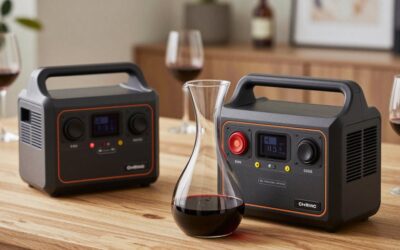
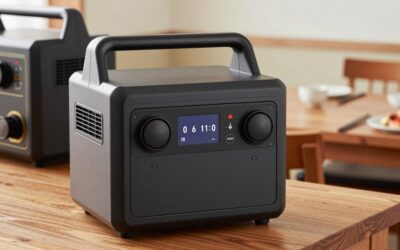
A winter outage can start quietly: a heavy snowfall, a branch on a line, and suddenly the furnace is silent and the house begins to cool. The Anker SOLIX C1000 will not heat a house, but it can protect the people inside it through a cold night and keep critical small loads alive. Its standout trait, a roughly one-hour recharge from the wall, also makes it well suited to winter recovery patterns where power comes and goes.
Specs to know
The original C1000 is rated at about 1,056 Wh of LFP storage with roughly 1,800 W of continuous output and a higher surge rating. It accepts up to about 600 W of solar input, recharges from AC in under an hour in UltraFast mode and can connect to one expansion battery for about double the capacity. It weighs around 27 to 28 pounds. A newer Gen 2 model has slightly different ratings, so confirm which one you own or plan to buy.
What to power in the cold
People first
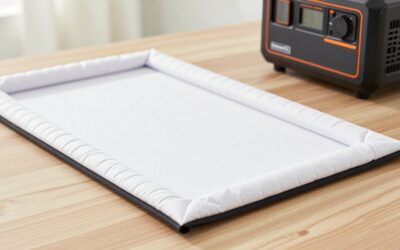
Electric blankets and heated mattress pads use roughly 50 to 100 W. The C1000 can run two of them all night and still have capacity left in the morning. That is the single best use of the battery during a cold outage.
Furnace blower
A gas furnace’s blower and controls usually draw 300 to 700 W. On the base unit, that equals about 1.5 to 3 hours of blower time; with the expansion battery, double that. Running the furnace in short blocks, morning and evening, can keep indoor temperatures tolerable. It requires a transfer switch or furnace inlet installed by a licensed electrician. Never backfeed a panel through an outlet.
Pipes and water
Heat tape draws roughly 5 to 9 W per foot. Running 20 feet of heat tape overnight uses 800 to 1,400 Wh, which is most of the base battery. Prioritize the most exposed pipe runs.
Budget table for one charge
| Scenario | Loads | Energy used | Fits base unit? |
|---|---|---|---|
| Warm sleep | Two electric blankets, 8 hours | about 800–1,200 Wh | Almost; lower settings help |
| Balanced night | One blanket 8 hrs, router and phones, LED lamp | about 700–900 Wh | Yes |
| Furnace blocks | Blower 2 hrs total at 500 W | about 1,000 Wh | Barely; better with expansion |
| Space heater | 1,500 W heater | 900 Wh in 36 minutes | Not practical |
Keeping the battery warm enough to work
LFP cells generally will not charge below about 32°F and lose some usable capacity in the cold. If your home gets very cold during an extended outage, keep the C1000 in the warmest occupied room. When recharging from solar in freezing weather, bring the unit inside to warm first.
Recharging in winter
Short winter days limit solar harvest to perhaps 300 to 900 Wh from 400 W of panels. Snow cover can stop production entirely. The C1000’s fast AC charging is its winter advantage: an hour at a friend’s house, a warming center or a workplace can refill it. If you use a generator, keep it at least 20 feet from the house, never in a garage or on a porch, and clear snow so the exhaust is not blocked. Install battery-powered CO alarms near every sleeping area.
Car charging caution
Charging the C1000 from a running car’s 12V socket is slow but possible. Only idle the car outdoors in open air, never in a garage even with the door open, and make sure the tailpipe is not blocked by snow.
Is the expansion battery worth it for winter?
If you plan to run a furnace blower, yes. It turns short blower sessions into a more realistic heating schedule and adds a second warm night without recharging. If you only need blankets, phones and lights, the base unit will usually suffice for one night and can be recharged quickly when possible.
FAQ
Can the C1000 run a pellet stove?
Many pellet stoves use 100 to 400 W once running, with a higher igniter draw at start-up. The C1000 can often support them for several hours. Check the stove’s manual for power requirements.
Does it make noise at night?
The cooling fan may run during heavy loads or fast charging, but at light loads it is generally quiet enough for a bedroom.
Bottom line
The Anker SOLIX C1000 is good for winter storm outages as a fast-recharging personal safety battery. It keeps people warm with electric blankets, runs communications and can handle a furnace blower in short bursts. For multi-day cold outages, pair it with its expansion battery, a place to recharge or a safely placed generator.
Write Your Review
No reviews yet. Be the first to share your experience!