
🛒 Best Price Today on Amazon
Prime members get fast, free shipping on everything above, plus member-only deals. New members get a 30-day free trial — cancel anytime.
Choosing between a manual and automatic transfer switch generator is less about buying the biggest generator and more about deciding how much control, convenience, and installation cost you want. A transfer switch safely moves selected home circuits from utility power to a portable or standby generator while preventing dangerous backfeeding into the electrical grid.
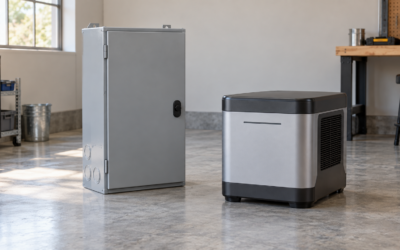
A manual system requires someone to start the generator and move the transfer switch by hand. An automatic transfer switch detects a utility outage, starts a compatible standby generator, and shifts power to the house without requiring a person to be home. That difference can matter during a storm, overnight outage, or emergency involving children, pets, older adults, or medical equipment.
As an Amazon Associate we earn from qualifying purchases at no extra cost to you.


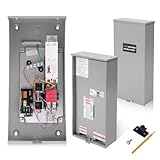
For 2026, a manual setup remains the value choice for occasional outages and budget-conscious homeowners. An automatic transfer switch generator system costs more, takes up more permanent space, and usually requires a professionally installed standby generator—but it offers the most seamless backup power.
Quick Verdict
Choose a manual transfer switch if you want an affordable backup system for essential circuits such as a refrigerator, lights, internet equipment, sump pump, or furnace blower. It pairs well with a portable generator in the 3,000- to 8,000-watt range and makes sense when someone can safely reach the equipment during an outage.
Choose an automatic transfer switch generator if you want whole-home or large-load backup, need power restored while you are away, or cannot depend on someone to operate the system. Automatic systems commonly use permanently installed natural-gas or propane generators rated from about 10,000 to 26,000 watts or more.
The practical tradeoff is straightforward: manual systems cost less and offer flexibility; automatic systems provide comfort and continuity at a much higher installed price.
Side by Side
| Factor | Manual transfer switch | Automatic transfer switch generator |
|---|---|---|
| Comfort | Requires starting the generator and switching circuits by hand | Starts and transfers power automatically, often within 10 to 30 seconds |
| Durability | Fewer electronics; portable generators may need weather protection | Built for permanent installation, but includes more controls and moving components |
| Price range | About $600-$3,000 for a portable generator, inlet, switch, and installation | About $5,000-$15,000 installed, depending on generator size, fuel, and electrical work |
| Maintenance | Manual fuel checks, oil changes, battery care, and startup procedures | Scheduled servicing, battery replacement, exercise runs, and fuel-system inspections |
| Space needed | Portable unit may measure roughly 24-35 inches long and weigh 100-250 pounds | Permanent generator commonly needs a pad and about 3-5 feet of service clearance |
| Look | Equipment is stored out of sight when not in use but must be placed outdoors during use | Visible year-round in a weather-resistant enclosure |
| Resale | Transfer switch adds safety but may have limited appeal to buyers | Documented standby power can be an attractive convenience feature |
| Best for | Short outages, smaller homes, renters who own equipment, and budget-focused buyers | Frequent outages, larger homes, remote monitoring, and uninterrupted essential services |
Where Manual Wins
The biggest advantage of a manual transfer switch is affordability. A basic 30-amp manual switch or interlock may cost roughly $200-$800 before installation, while a portable generator suitable for selected circuits may cost $400-$2,000. A licensed electrician may charge another $500-$1,500 depending on panel access, wiring distance, permits, and local rates.
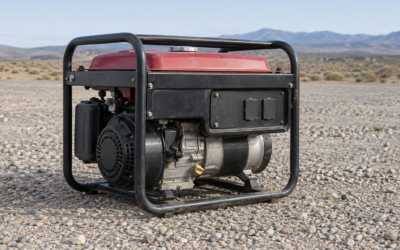
Manual systems also let you choose the generator. You can use a conventional gasoline model for occasional emergencies, a dual-fuel model for greater fuel flexibility, or an inverter generator for quieter operation. A 5,000-watt generator, for example, may run a refrigerator, lighting, internet equipment, a gas furnace blower, and a few outlets—but not necessarily central air conditioning, an electric water heater, or an electric range at the same time.
Another benefit is simpler ownership. A manual switch itself has relatively few components to fail. If the generator is stored properly, you can inspect it, add fuel, connect the cord, start it, and transfer only the circuits you need. This can be an excellent arrangement for a homeowner who is present during most outages and is comfortable following a startup and shutdown checklist.
There are limitations. A portable generator must remain outdoors, away from windows, doors, and vents, because carbon monoxide can be fatal. It cannot be operated in a garage, basement, shed, or covered porch, even with the door open. Fuel storage also requires planning, and gasoline can degrade over time. During bad weather, someone must go outside to position the generator, connect it, and operate the switch.
Manual equipment is not a do-it-yourself shortcut around electrical safety. The transfer switch or panel interlock must be correctly sized and installed so utility and generator power cannot energize the same circuits at once.
Where Automatic Transfer Switch Generator Wins
An automatic transfer switch generator system is designed for convenience and continuity. When utility voltage drops or fails, the switch signals the standby generator to start, waits for stable output, and transfers selected circuits or the entire service. When utility power returns, it reverses the process and lets the generator cool down before shutting off.
This is especially useful if an outage occurs while you are asleep, traveling, at work, or dealing with severe weather. It can keep a sump pump, refrigerator, heating system, security equipment, and internet system running without a trip outdoors. Some systems also support load management, which temporarily delays high-demand appliances so the generator does not become overloaded.
Permanent standby generators often produce cleaner, steadier power than basic portable models and can run for extended periods from a home natural-gas line or a properly sized propane tank. A typical residential unit weighs approximately 400-600 pounds and may be around 48-52 inches wide, 25-30 inches deep, and 29-35 inches high. Local codes and the manufacturer’s instructions determine required clearances, pad design, and placement.
The cost is the main drawback. The generator, automatic transfer switch, concrete or composite pad, gas connection, electrical work, permits, and commissioning can bring the installed total to $5,000-$15,000. A service-rated 200-amp switch can cost several hundred dollars by itself. For example, the RXSW200A3 200 Amp Automatic Transfer Switch w/Power Management Replacement for Generac, Service Entrance Rated, NEMA 3R Aluminum Enclosure is listed for under $350, while a 200 Amp Automatic Transfer Switch Replacement for Generac RXSW200A3 is listed at $349. These are component prices, not complete installed-system prices, and compatibility must be confirmed before purchase.
Automatic systems also require more regular service. Expect periodic oil and filter changes, battery checks, exercise cycles, enclosure inspections, and professional troubleshooting when warning codes appear. A maintenance contract may cost approximately $200-$500 per year, depending on the provider and service level.
Cost Over 5 Years
A realistic five-year comparison should include more than the purchase price.
- Manual setup: approximately $1,500-$4,000 initially, plus $300-$1,000 for fuel, oil, battery care, and occasional service over five years. A reasonable total range is $1,800-$5,000.
- Automatic setup: approximately $5,000-$15,000 initially, plus $1,000-$2,500 for scheduled service and consumables. A reasonable five-year total is $6,000-$17,500.
Actual costs vary substantially. A short wiring run and existing natural-gas capacity can reduce an automatic installation, while an upgraded electrical panel, long propane line, trenching, or whole-home air-conditioning loads can raise it. Fuel consumption also depends on generator size and how heavily it is loaded.
Books and unrelated household products sometimes appear alongside generator components in online shopping results. For example, Protocols: An Operating Manual for the Human Body is listed at $29.4, and The Manual: What Women Want and How to Give It to Them is listed for under $10. Neither is part of a transfer-switch system; check the product category carefully before comparing prices.
Which One for Your Home
Small apartment
A transfer switch may not be practical or permitted in an apartment, especially when you do not control the electrical panel or cannot safely place a fuel-burning generator outdoors. Start with building rules and landlord approval. A battery power station, rechargeable lights, and phone backup may be safer and more useful. If the property has an approved generator connection, a small manual system is generally more appropriate than an automatic standby installation.
Family with kids or pets
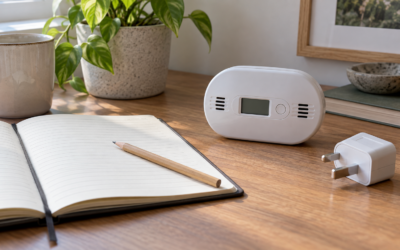
An automatic system is the easier choice when outages create safety concerns or when no adult can reliably manage a portable generator. It can preserve heating, cooling, refrigeration, lighting, and communications with minimal intervention. If the budget favors manual equipment, keep the generator secured outdoors, use carbon-monoxide alarms, and create a written operating checklist.
Rental
Renters should rarely invest in a permanent automatic transfer switch generator without written authorization and a clear agreement about ownership and removal. A portable generator may still be unsuitable if there is no legal outdoor operating location. Focus on outage essentials that can move with you, such as battery storage, lanterns, and a small appliance backup plan.
Long-term home
For a home you expect to own for many years, compare outage frequency, medical or mechanical necessities, and resale appeal. An automatic system is usually justified when outages are frequent, the home has a basement sump pump, or you want power restored while away. A manual system remains sensible when outages are rare and you can comfortably manage the equipment.
FAQ
Can a manual transfer switch power the whole house?
It can, if the switch, generator, service, and wiring are properly sized, but most portable generators cannot run every household load simultaneously. Many manual installations power only a selected group of essential circuits.
How fast does an automatic transfer switch work?
Many systems restore power in roughly 10-30 seconds after detecting an outage, although generator startup, stabilization, settings, and local conditions affect the timing.
Does an automatic switch work with any generator?
No. The generator and switch must be electrically compatible, correctly rated, and designed to communicate with each other. Verify voltage, amperage, phase, service rating, controls, and load-management requirements before buying.
Is a transfer switch required for a portable generator?
A transfer switch or approved panel interlock is required when connecting a portable generator to home wiring. Never connect a generator directly to a wall outlet. Have the system installed and inspected by a qualified electrician.

Write Your Review
No reviews yet. Be the first to share your experience!